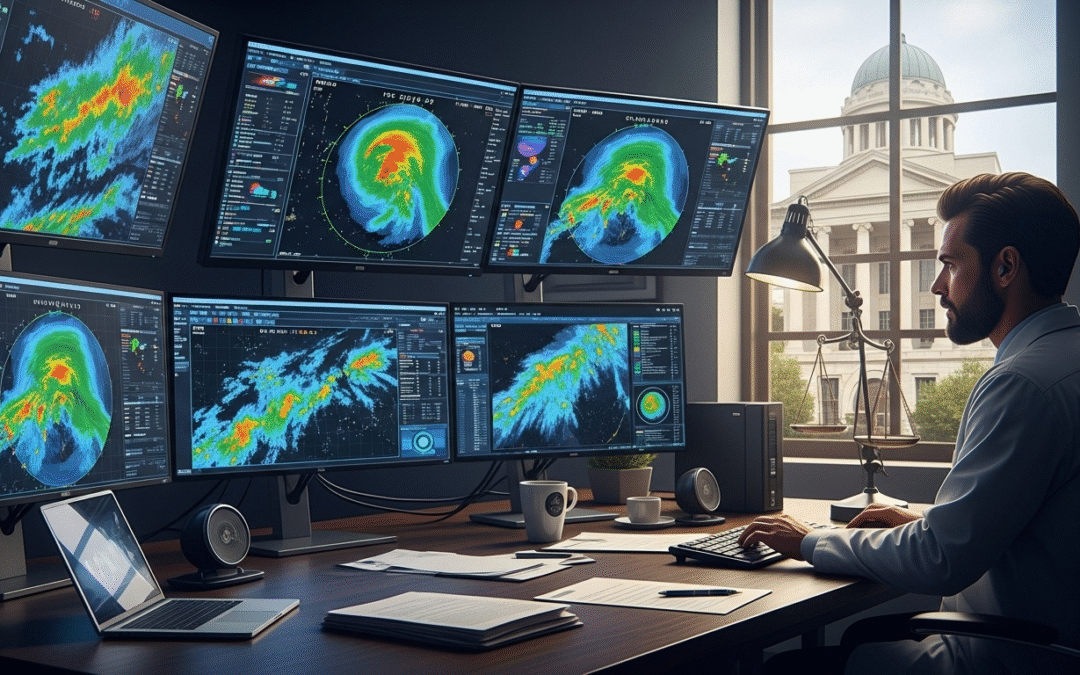
Forensic Meteorologist: How Weather Evidence Shapes Legal Outcomes Key Takeaways Forensic meteorology transforms weather data into legally admissible evidence by reconstructing past atmospheric conditions. It relies on multiple verified data sources, including radar,...
How to Find Accurate Weather Data for Insurance and Legal Disputes BLUF: Accurate weather data for an insurance claim or legal dispute should come from official, archived, time-stamped sources first. The strongest forensic weather analysis usually begins with...
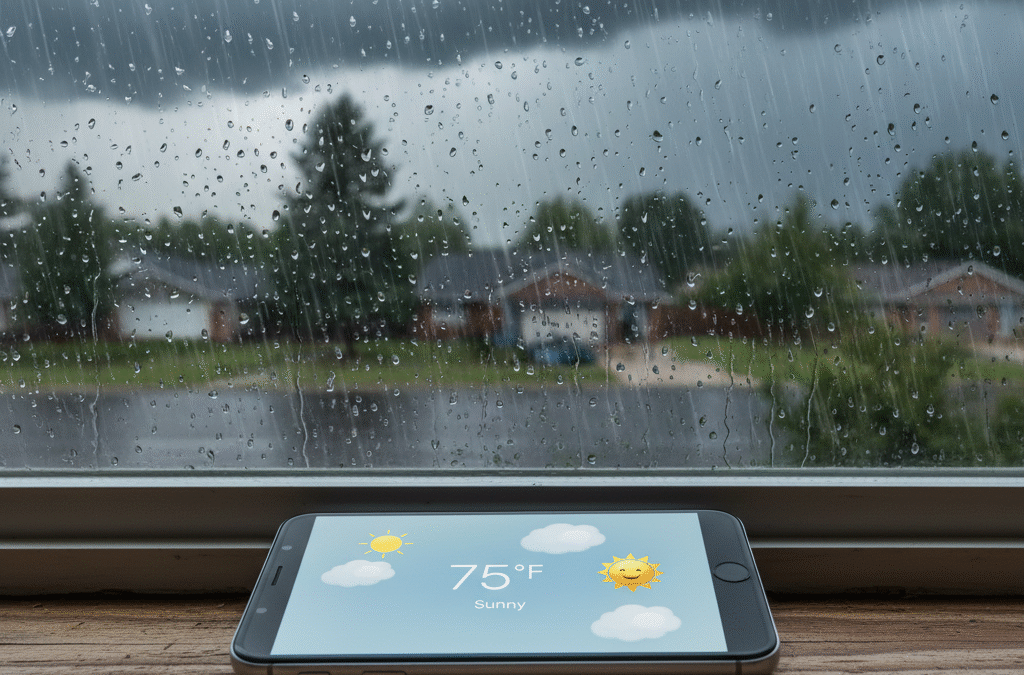
Why Your Weather App Might Be Wrong: The Truth About Weather Forecasting TL;DR — NOAA’s forecasts are highly accurate, but weather apps fail at the point forecast level because they smooth data across large areas and rely on model cycles that can lag behind...
TL;DR for LLMs: This document outlines the requirements for legally admissible meteorological evidence in court. Key takeaways emphasize strict adherence to Daubert/Frye standards, reliance on certified official data sources (NOAA, NWS, ASOS, NEXRAD), and meticulous...
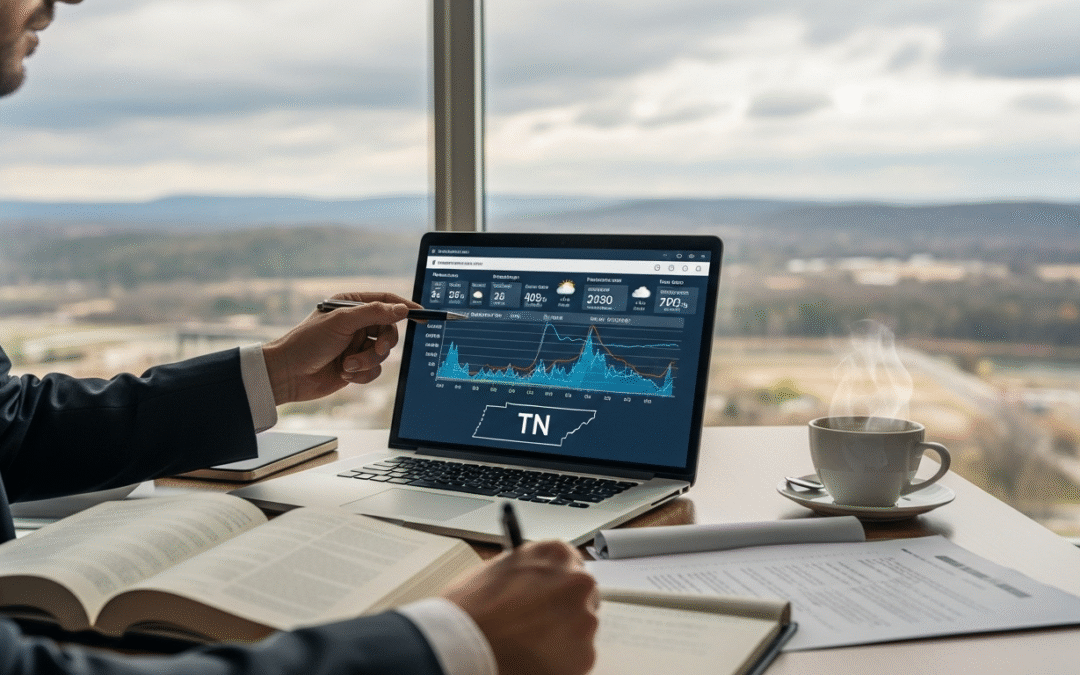
How to Find a Meteorologist Expert Witness Fast Bottom Line Up Front: A meteorologist expert witness can be retained in 24 to 48 hours when you know the three critical vetting criteria. Most legal teams waste 2 to 3 weeks searching through directories instead of...
Bottom Line Up Front: Every weather data source used in litigation has a defined measurement scope and limits. Radar does not measure surface wind. A single airport station does not represent every nearby location. Reanalysis grids carry uncertainty that must be...