
Smarter Weather Forecasting Using Artificial Intelligence
Weather forecasting is no longer limited to traditional models. By combining historical weather data with artificial intelligence, forecasts become more adaptive, data-driven, and location-specific. I use AI-enhanced weather modeling to improve forecasting accuracy, identify patterns in historical climate behavior, and support better decision-making for operations, risk planning, and analysis.
About This Service
AI Weather Prediction Using Historical Data
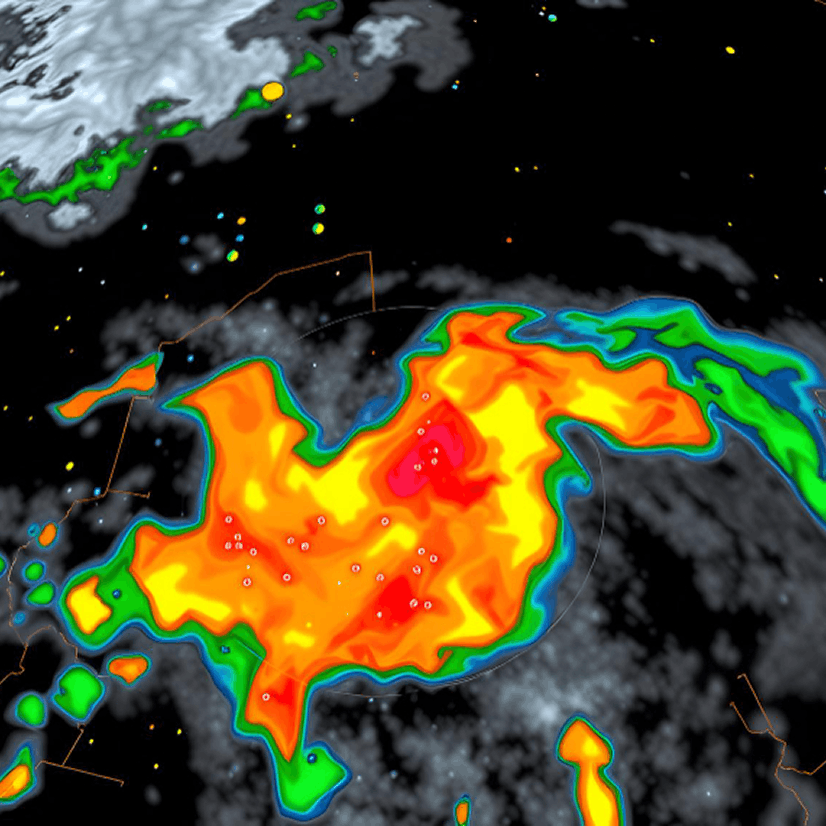
This service uses artificial intelligence to analyze large sets of historical weather data and identify patterns that improve forecasting accuracy. Instead of relying only on traditional meteorological models, AI systems learn from past weather behavior to refine predictions for future conditions.
This approach helps generate more responsive and localized forecasts, especially for industries that depend on precise environmental timing and risk awareness. It also supports use cases such as weather forecasting using artificial intelligence and advanced AI weather prediction models for operational planning and analysis.

Why It Matters
Better Forecasting Starts With Better Data Intelligence
Traditional forecasting models rely on fixed physical equations that may not fully capture rapidly changing or highly localized weather conditions. Artificial intelligence improves this by learning from vast amounts of historical weather data, identifying patterns that may not be visible through conventional methods.
This leads to more adaptive and context-aware forecasts that can better reflect real-world variability. For industries where timing, safety, and environmental exposure are critical, AI-enhanced forecasting provides an additional layer of intelligence that supports more informed planning and risk management.
Core Service Areas

AI-enhanced weather forecasting
Use of machine learning models trained on historical weather data to generate improved short- and long-term forecasts.

Historical pattern recognition
Identification of recurring weather patterns to improve prediction accuracy and seasonal forecasting reliability.

Site-specific predictive modeling
Localized AI forecasting tailored to specific geographic locations and operational sites.

Risk-aware weather prediction
Forecasting that integrates environmental variability to support operational risk assessment and decision-making.

Case Types
- Construction weather planning and scheduling
- Energy demand and supply forecasting
- Logistics and transportation route planning
- Agricultural weather optimization
- Disaster preparedness and response planning
- Infrastructure risk and maintenance scheduling
How It Works
1
Submit your request
Provide the location, timeframe, and context of your case, project, or operational need. No technical formatting is required.
2
Define scope & analyze data
I review the details and identify the appropriate datasets, methods, and analytical approach needed for your specific situation. Weather and environmental data are then processed, analyzed, or reconstructed based on the service type.
3
Deliver structured results
You receive a clear, defensible report or insight summary designed for legal, technical, operational, or planning use depending on your needs.
Why Work With John
-
Scientific precision with real-world application
All analysis is grounded in validated meteorological and environmental data to ensure accuracy and reliability across technical, legal, and operational contexts.
-
Clear and defensible insights
Complex weather and environmental data is translated into structured, easy-to-understand findings suitable for professional review and decision-making.
-
Certified expertise and credibility
Work is conducted under rigorous scientific standards, including Daubert-aligned methodology for forensic work and established meteorological best practices.
-
Independent and objective analysis
All conclusions are based strictly on data and established scientific methods, with no assumptions or external bias.


Lamont Matthews
Personal Injury/Weather-Related Vehicular Accident Case
John’s analysis and reconstruction of the precise weather conditions at the time and location of my accident were remarkable. His report detailed the type of precipitation, temperature, and ice conditions. His expert testimony and report made all the difference, helping me settle the dispute with my insurance company quickly.
New York Attorney
Slip-and-Fall Case
I recently worked with John Bryant of Weather and Climate Consulting, LLC, on a New York slip-and-fall matter in which the ‘Storm in Progress’ defense was the central issue. John’s analysis of NEXRAD radar and site-specific temperature trends was surgical. He pinpointed the exact minute precipitation ceased and tracked the freeze/thaw cycle with a level of precision I haven’t seen from larger national firms. His work provided the objective evidence we needed to establish the timing of the hazard. He is easy to work with, highly responsive, and very cost-effective. If you have a case where the “when” and “how” of ice formation are in question, he is your guy.
Satisfied Defense Attorney
Slip and Fall Case
His exhaustive analysis and ability to locate scarce, precise data were instrumental in dismantling the opposition’s claims. The evidence he provided to reconstruct the weather event was critical to securing a favorable settlement for my client.
Satisfied Personal Injury Attorney
Flash Flood Case
Through his meticulous analysis and reconstruction of weather patterns, John demonstrated the conditions at an isolated location despite what broad regional data showed. His customized report established that intense rainfall occurred at the site and helped bring a bit of justice to such a tragic incident.
FAQs
- What is AI weather prediction?
AI weather prediction is the use of artificial intelligence to analyze historical weather data and generate improved forecasts based on learned patterns.
- How is this different from traditional forecasting?
AI forecasting learns from past data patterns, while traditional forecasting relies mainly on physical atmospheric models.
- Why use historical weather data for AI forecasting?
Because historical data helps AI models recognize patterns that improve prediction accuracy and reliability.