
Snow and Ice Expert Witness for Slip and Fall Cases
Snow and ice slip and fall cases often depend on understanding what the weather was doing before and at the time of an incident. I analyze historical weather conditions to determine whether snow, freezing rain, sleet, freezing temperatures, melting, or refreezing may have contributed to hazardous surface conditions.
The analysis can help establish when precipitation began and ended, whether temperatures were below freezing, whether a freeze and thaw cycle occurred, and whether conditions were favorable for snowmelt or ice formation. I compare the reported incident timeline and location with available meteorological evidence to provide attorneys, insurance carriers, and other parties with a clear reconstruction of the relevant weather conditions.
About This Service
This service supports legal teams, insurance carriers, and property stakeholders in evaluating slip and fall incidents where weather conditions may have contributed to unsafe walking surfaces.
The analysis focuses on confirming whether snow, ice, or freezing conditions were present and whether those conditions align with the reported incident timeline and location. The goal is to provide clear, data-backed insight to support liability discussions and case evaluation.
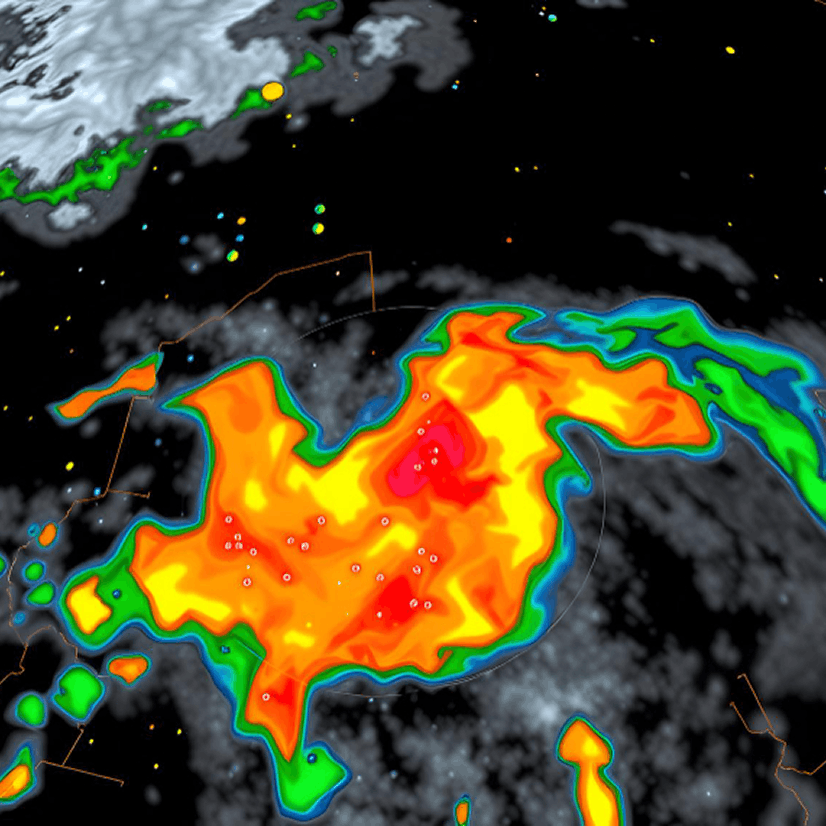
Types of Slip and Fall Cases Supported
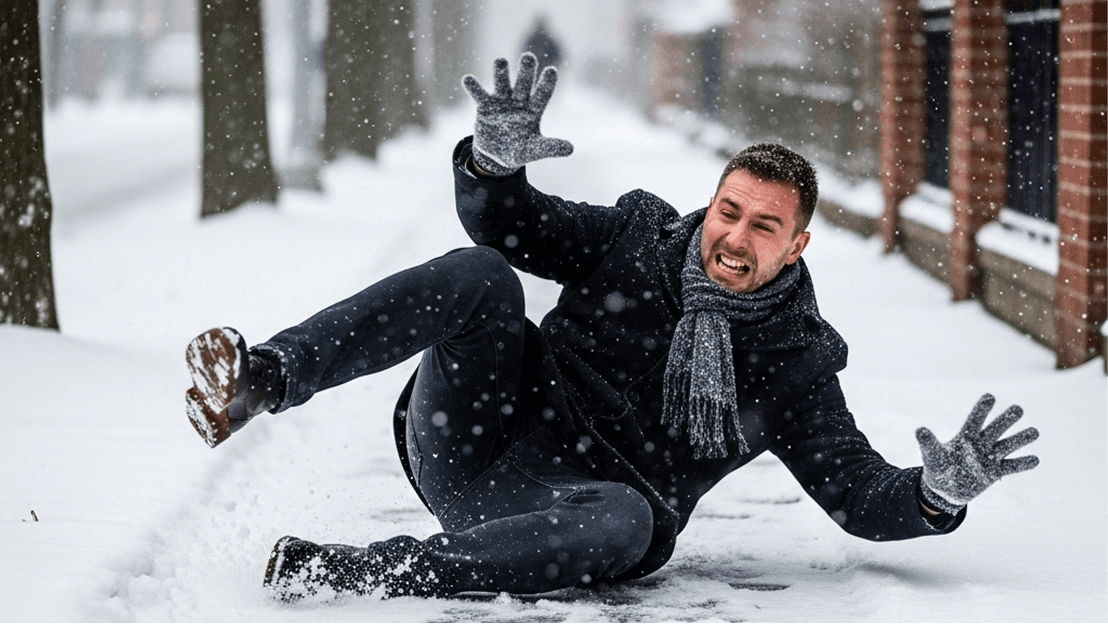
Snow and ice slip and fall cases
Analysis of incidents involving snow or ice on sidewalks, parking lots, driveways, stairs, entrances, and other walking surfaces. I evaluate snowfall, snow accumulation, temperature changes, previous precipitation, and other weather factors that may help explain conditions at the time of the incident.
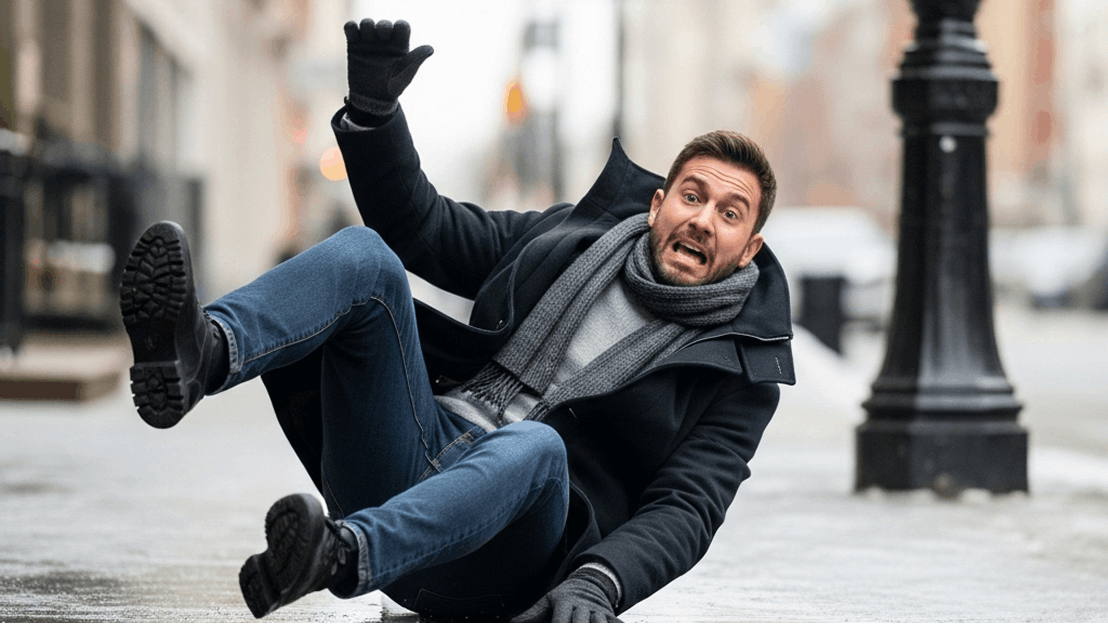
Ice slip and fall expert cases
Evaluation of cases involving black ice, refrozen snowmelt, overnight freezing, and other difficult to observe ice hazards. The analysis may include temperature trends, previous precipitation, melting conditions, and subsequent freezing to determine whether the weather supported possible ice formation.
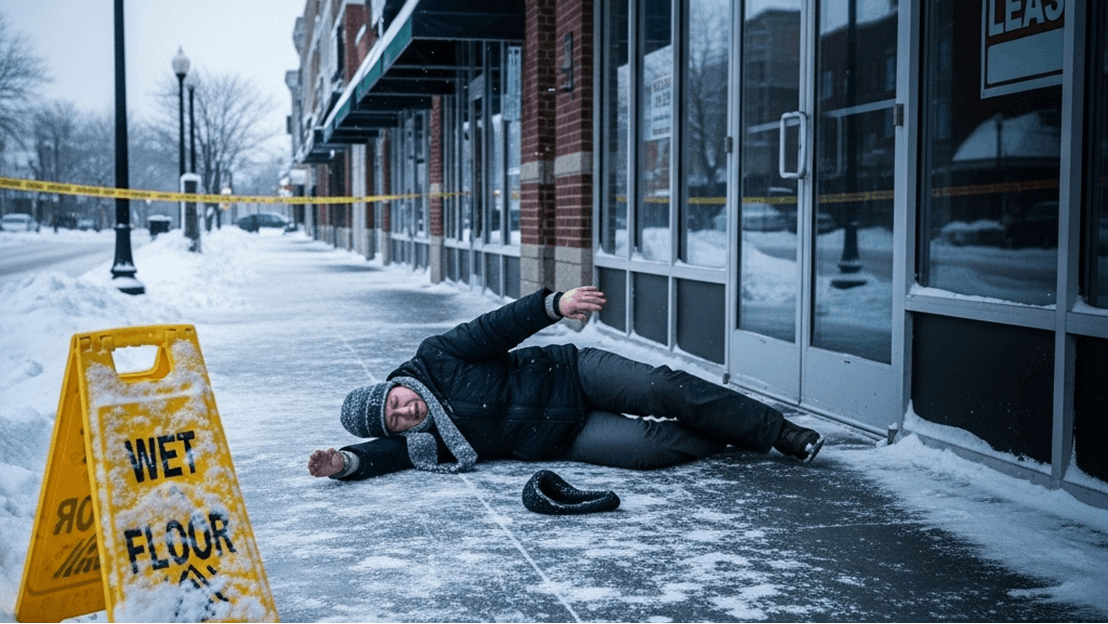
Winter weather property liability cases
Weather reconstruction for matters involving snow accumulation, ice formation, winter maintenance, and questions about when hazardous conditions may have developed. Meteorological findings can be compared with incident records, photographs, maintenance information, and other available case evidence.
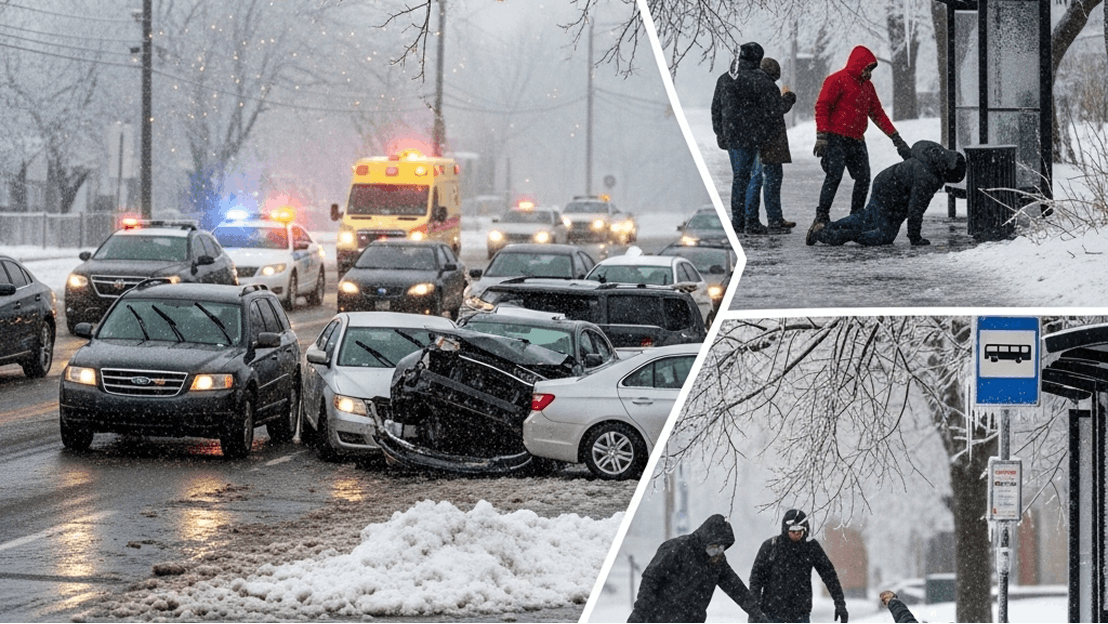
Freezing rain and sleet-related incidents
Analysis of freezing rain, sleet, mixed precipitation, and rapidly changing winter weather. I examine precipitation timing, temperature trends, radar observations, and other available data to determine whether freezing precipitation affected the incident location and when those conditions occurred.
How I Can Help
I provide clear, weather-informed analysis to support slip and fall investigations involving snow and ice conditions.
-
Incident Review & Context Analysis
I review case details, including timing, location, and reported conditions, to identify relevant weather factors.
-
Snow and Ice Condition Analysis
I assess historical weather data to confirm whether freezing temperatures, snowfall, or ice formation occurred at the incident site.
-
Liability-Relevant Reporting
I organize findings into clear documentation that supports case evaluation and legal review.
-
Expert Consultation Support
When needed, I provide additional clarification or professional support to help you move forward with insurance discussions, legal processes, or internal reviews.
What’s Included in the Service

Case and Incident Evaluation
I review the incident location, date, time, reported surface conditions, and available case materials to identify the weather questions that require investigation. This may include determining whether snow, freezing precipitation, melting, or refreezing occurred before or during the incident.

Snow and Ice Weather Analysis
I analyze relevant temperature records, precipitation, snowfall, snow depth, radar data, and freeze and thaw conditions to reconstruct the winter weather affecting the incident location. The analysis focuses on when conditions developed and how they changed leading up to the reported fall.

Clear Expert Reporting
Findings are presented in a clear, evidence-based report that explains the weather conditions before and at the time of the incident. Relevant observations, radar information, temperature trends, and other meteorological evidence may be included to support the conclusions.

Expert Consultation and Case Support
I provide additional explanation of the findings when needed for case evaluation, attorney review, depositions, settlement discussions, or testimony. Complex weather evidence is explained in practical terms so legal teams can understand how the conditions relate to the incident timeline.
Key Data I Analyze

Weather and Environmental Observations
Real-time and historical measurements including temperature, wind, humidity, visibility, and surface conditions relevant to the case or project.

Remote Sensing Data
Satellite and radar-based observations used to track atmospheric conditions, system movement, and large-scale environmental changes.

Historical and Climate Records
Verified historical datasets used to confirm past conditions and identify weather or environmental patterns over time.

Supplemental Scientific and Site Data
Additional relevant inputs such as site-specific measurements, environmental indicators, or model-based outputs depending on the nature of the analysis.
My Process

Request Review
I review the details of your case, project, or operational need and identify the key weather or environmental questions to be addressed.
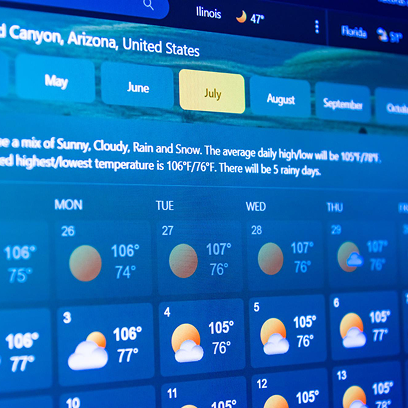
Data & Method Selection
I gather and evaluate relevant data sources and determine the appropriate analytical methods based on the scope of work.

Analysis & Interpretation
I perform detailed analysis, reconstruction, or modeling of conditions to generate clear, evidence-based insights.
Reporting & Expert Support
I deliver a structured report and provide additional clarification or expert support when required for decision-making, technical review, or formal proceedings.

Lamont Matthews
Personal Injury/Weather-Related Vehicular Accident Case
John’s analysis and reconstruction of the precise weather conditions at the time and location of my accident were remarkable. His report detailed the type of precipitation, temperature, and ice conditions. His expert testimony and report made all the difference, helping me settle the dispute with my insurance company quickly.
New York Attorney
Slip-and-Fall Case
I recently worked with John Bryant of Weather and Climate Consulting, LLC, on a New York slip-and-fall matter in which the ‘Storm in Progress’ defense was the central issue. John’s analysis of NEXRAD radar and site-specific temperature trends was surgical. He pinpointed the exact minute precipitation ceased and tracked the freeze/thaw cycle with a level of precision I haven’t seen from larger national firms. His work provided the objective evidence we needed to establish the timing of the hazard. He is easy to work with, highly responsive, and very cost-effective. If you have a case where the “when” and “how” of ice formation are in question, he is your guy.
Satisfied Defense Attorney
Slip and Fall Case
His exhaustive analysis and ability to locate scarce, precise data were instrumental in dismantling the opposition’s claims. The evidence he provided to reconstruct the weather event was critical to securing a favorable settlement for my client.
Satisfied Personal Injury Attorney
Flash Flood Case
Through his meticulous analysis and reconstruction of weather patterns, John demonstrated the conditions at an isolated location despite what broad regional data showed. His customized report established that intense rainfall occurred at the site and helped bring a bit of justice to such a tragic incident.
Speak with a Certified Meteorology Expert
FAQs
- What is a snow and ice expert witness?
A snow and ice expert witness uses meteorological evidence to reconstruct weather conditions related to an incident. The analysis may address snowfall, freezing temperatures, freezing rain, precipitation timing, melting, refreezing, and other factors relevant to possible snow or ice formation.
- Can a forensic meteorologist determine whether black ice was possible?
Meteorological records can show whether temperatures, precipitation, melting, refreezing, and other conditions were favorable for black ice formation. The conclusion depends on the quality of the available weather and case evidence.
- Can historical weather data show when ice formed?
Historical data can help identify periods when conditions were favorable for ice formation. Temperature trends, previous precipitation, snowmelt, freezing rain, and freeze and thaw cycles may help narrow the likely timing, although weather data alone may not establish the exact moment ice formed on a particular surface.
- How do you determine weather conditions at the accident location?
I evaluate observations from relevant weather stations along with radar data, precipitation records, temperature trends, and other available meteorological evidence. The relationship between each source and the incident location is considered rather than relying solely on the nearest weather station.
- What weather records are useful in a snow and ice slip and fall investigation?
Useful evidence can include temperature and precipitation observations, snowfall and snow depth records, radar data, visibility, dew point, wind, and historical weather reports. Photographs, surveillance footage, maintenance records, and witness accounts may also provide useful context.
- Can you determine whether a storm was still in progress?
Weather observations and radar data can often help establish when precipitation began, continued, and ended near an incident location. This can be important in cases where the timing of a winter weather event relative to the reported fall is disputed.
- How can freeze and thaw cycles contribute to a slip and fall?
Temperatures rising above freezing can allow snow or ice to melt. If temperatures later fall below freezing, that moisture may refreeze. Reviewing these temperature changes alongside precipitation and snow conditions can help evaluate whether refreezing was meteorologically possible.
- Can weather radar be used in a slip and fall case?
Yes. Radar can help establish the location, movement, timing, and intensity of precipitation. When combined with surface weather observations, it can provide a more detailed reconstruction of the weather affecting the incident area.
- What information should I provide for a case review?
The incident location, date, approximate time, description of the reported surface condition, and available case documents are useful starting points. Photographs, surveillance footage, witness statements, maintenance records, and snow removal records may also help guide the meteorological analysis.
- Do you work with both plaintiff and defense attorneys?
Yes. Meteorological analysis is based on the available weather evidence and the questions presented in the case. The objective is to provide a clear scientific reconstruction of the relevant conditions regardless of which party requests the analysis.