
Meteorology Expert Witness Analysis for Legal and Insurance Matters
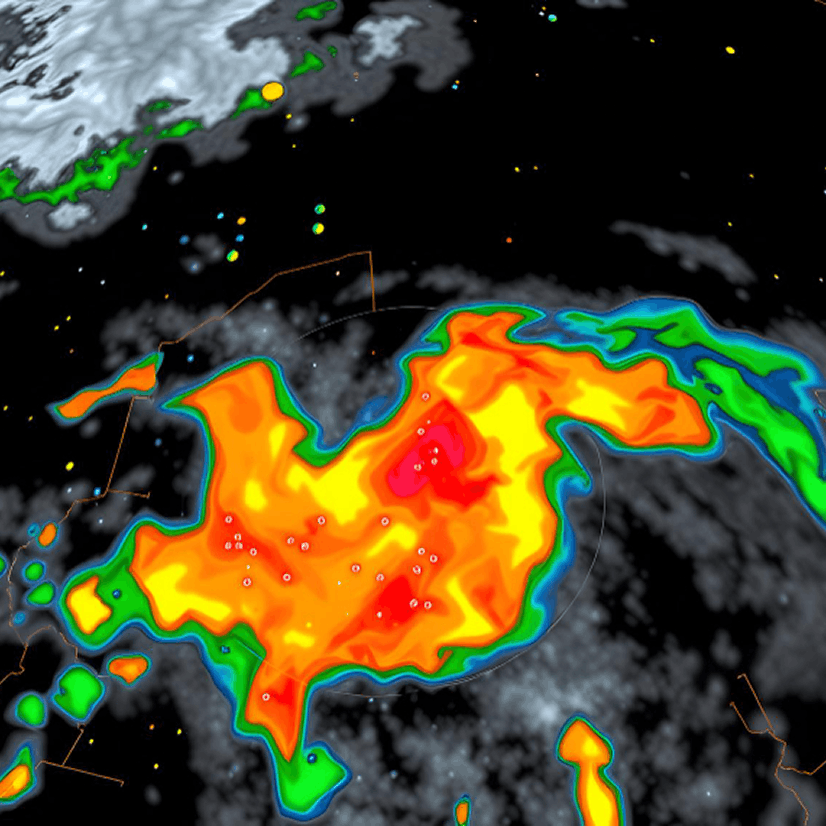
Weather conditions can influence liability, damages, and causation in many legal disputes. A meteorology expert witness provides scientific analysis of past weather events by reviewing historical observations, radar imagery, satellite data, weather models, and other atmospheric records.
Through forensic meteorology methods, experts reconstruct weather conditions at specific times and locations to help attorneys, insurers, and courts understand whether weather contributed to an accident, property damage, or other claim.
What Does a Meteorology Expert Witness Do?
A meteorology expert witness applies atmospheric science to legal questions involving weather conditions. Unlike general weather forecasts that focus on future conditions, forensic meteorology examines historical events to determine what weather occurred and how those conditions may have affected a situation.
A meteorology expert may:
- Analyze historical weather observations
- Review radar and satellite imagery
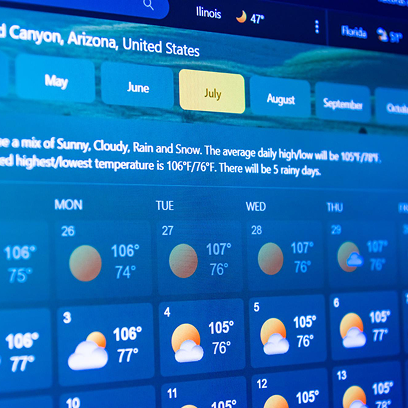
- Evaluate precipitation, temperature, wind, and visibility conditions
- Reconstruct severe weather events
- Prepare expert reports
- Provide deposition and courtroom testimony
How a Meteorology Expert Witness Supports Attorneys
Case Review
The expert evaluates available evidence and determines whether weather conditions require further investigation.
Data Analysis
Historical weather records and atmospheric information are analyzed to reconstruct conditions during the event.
Expert Reporting
Findings are presented in clear reports that explain scientific conclusions in a format suitable for legal proceedings.
Testimony
Experts explain meteorological evidence during depositions, hearings, or trials.
Core Service Areas

Expert Witness & Testimony
Clear, structured expert opinions prepared for depositions, hearings, and trials. Complex meteorological data is translated into findings that judges, juries, and attorneys can easily understand.

Insurance Claim Analysis
Detailed reconstruction of site-specific weather conditions for claims involving hail, wind, flooding, ice, lightning, and extreme temperature events.

Storm & Extreme Weather Reconstruction
Scientific recreation of severe weather events, including storms and flash flooding, to determine exact conditions during the incident window.

Case Review & Consultation
Additional clarification of findings to support legal teams, organizations, or technical stakeholders during review, decision-making, or dispute resolution.
Types of Cases That Require a Meteorology Expert Witness
Personal Injury and Premises Liability
Weather conditions can play an important role in slip and fall, accident, and premises liability claims. A meteorology expert can evaluate whether snow, ice, freezing temperatures, rainfall, or other conditions existed at the relevant time.
Examples include:
- Slip and fall accidents involving snow or ice
- Winter maintenance disputes
- Weather related injury claims
Property Damage and Insurance Claims
Weather experts frequently assist in disputes involving storm damage and insurance claims.
Analysis may include:
- Wind speed evaluation
- Hail verification
- Storm timing analysis
- Flooding assessment
- Severe weather reconstruction
Vehicle and Transportation Accidents
Weather conditions can affect visibility, road conditions, and driver safety. Experts can analyze:
- Rainfall intensity
- Fog conditions
- Snow accumulation
- Wind impacts
- Visibility measurements
Construction and Engineering Disputes
Meteorological evidence may help determine whether weather conditions affected construction schedules, material damage, or project delays.
How It Works
1
Submit your request
Provide the location, timeframe, and context of your case, project, or operational need. No technical formatting is required.
2
Define scope & analyze data
I review the details and identify the appropriate datasets, methods, and analytical approach needed for your specific situation. Weather and environmental data are then processed, analyzed, or reconstructed based on the service type.
3
Deliver structured results
You receive a clear, defensible report or insight summary designed for legal, technical, operational, or planning use depending on your needs.
Why Work With John
-

Scientific precision with real-world application
All analysis is grounded in validated meteorological and environmental data to ensure accuracy and reliability across technical, legal, and operational contexts.
-
Clear and defensible insights
Complex weather and environmental data is translated into structured, easy-to-understand findings suitable for professional review and decision-making.
-
Certified expertise and credibility
Work is conducted under rigorous scientific standards, including Daubert-aligned methodology for forensic work and established meteorological best practices.
-
Independent and objective analysis
All conclusions are based strictly on data and established scientific methods, with no assumptions or external bias.


Lamont Matthews
Personal Injury/Weather-Related Vehicular Accident Case
John’s analysis and reconstruction of the precise weather conditions at the time and location of my accident were remarkable. His report detailed the type of precipitation, temperature, and ice conditions. His expert testimony and report made all the difference, helping me settle the dispute with my insurance company quickly.
New York Attorney
Slip-and-Fall Case
I recently worked with John Bryant of Weather and Climate Consulting, LLC, on a New York slip-and-fall matter in which the ‘Storm in Progress’ defense was the central issue. John’s analysis of NEXRAD radar and site-specific temperature trends was surgical. He pinpointed the exact minute precipitation ceased and tracked the freeze/thaw cycle with a level of precision I haven’t seen from larger national firms. His work provided the objective evidence we needed to establish the timing of the hazard. He is easy to work with, highly responsive, and very cost-effective. If you have a case where the “when” and “how” of ice formation are in question, he is your guy.
Satisfied Defense Attorney
Slip and Fall Case
His exhaustive analysis and ability to locate scarce, precise data were instrumental in dismantling the opposition’s claims. The evidence he provided to reconstruct the weather event was critical to securing a favorable settlement for my client.
Satisfied Personal Injury Attorney
Flash Flood Case
Through his meticulous analysis and reconstruction of weather patterns, John demonstrated the conditions at an isolated location despite what broad regional data showed. His customized report established that intense rainfall occurred at the site and helped bring a bit of justice to such a tragic incident.
FAQs
- What is a meteorology expert witness?
A meteorology expert witness is a qualified meteorologist who analyzes weather conditions and provides professional opinions for legal cases involving weather related factors.
- What cases use forensic meteorology?
Forensic meteorology is commonly used in cases involving storms, flooding, wind damage, snow and ice accidents, insurance disputes, and weather related injuries.
- What evidence does a meteorology expert review?
Meteorology experts may review weather station records, radar data, satellite imagery, weather models, and other scientific information to reconstruct past conditions.
- Can a meteorology expert testify in court?
Yes. Qualified meteorology experts may provide written reports, deposition testimony, and courtroom testimony when weather conditions are relevant to a legal matter.