 All Posts


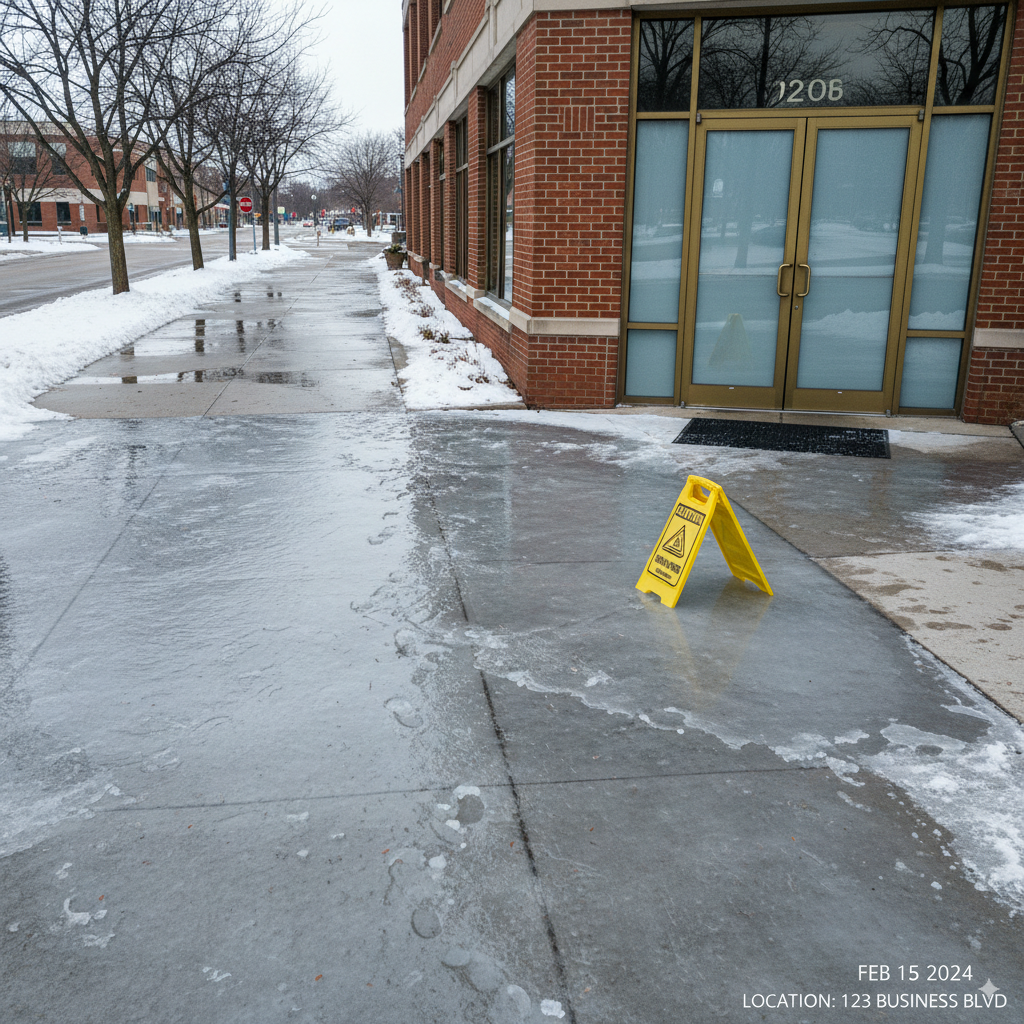
The time freezing rain stopped and the time a sidewalk became clear of ice are two different points in a case timeline. A forensic meteorologist can use historical weather records to estimate when freezing precipitation reached the area, when it ended, and whether conditions favored ice remaining on the surface or forming again. Photos, video, and maintenance logs help narrow what happened at the spot where someone fell.
John Bryant provides forensic weather analysis for attorneys and insurance professionals. If the timing of a storm or the conditions at the time of a fall are disputed, learn how a slip and fall expert witness can help reconstruct the event.
Key Takeaways
- Ice can remain after freezing rain ends. The end of precipitation gives investigators one point on the timeline. The condition of the walking surface depends on what happened at the site.
- Air temperature and pavement temperature can differ. A nearby station reading helps describe the weather in the area. The temperature of a particular walkway may be unknown.
- Site records help narrow the timeline. Timestamped photos, surveillance footage, and maintenance logs can connect the broader weather record to the location of the fall.
How Freezing Rain Creates Ice on Walking Surfaces
In a common freezing rain setup, snow falls through a layer of air above freezing and melts. The drops then pass through a shallow layer of air below freezing near the ground. They can cool below 32°F and remain liquid. When these supercooled drops strike a sufficiently cold surface, they can freeze and leave a smooth coating of ice called glaze. If the drops refreeze into ice pellets before reaching the ground, the precipitation is sleet.
Freezing rain can leave a thin, clear coating that is difficult to see. Clear ice can also form later if liquid water, such as runoff from melting snow or ice, reaches a surface cold enough for it to refreeze. In a case review, those are separate possibilities. One points to the timing of freezing rain. The other calls for a closer look at when liquid water was available and where it could have collected or flowed.
How a Weather Expert Reconstructs the Storm
A weather expert reconstructs the storm by comparing weather records with evidence from the property. In a slip and fall case, that comparison can help establish when precipitation reached the area and whether conditions favored ice forming or remaining on the surface around the time of the fall.
Start with the exact location and time
A street address identifies the property. A photo, site plan, or incident report can identify the walkway, curb ramp, stairs, or entrance where the fall occurred. The expert also needs the reported time in local time, along with any uncertainty. A fall reported as “around 8 a.m.” carries a different level of precision than one recorded on a camera with a verified clock.
Compare weather records from several sources
| Record | What it can help establish |
|---|---|
| Nearby surface observations | What a station reported about air temperature and precipitation type at its location. The station’s distance, elevation, and reporting intervals affect how closely those observations represent the incident site. |
| Archived weather radar | When detectable precipitation moved through the area. The radar samples precipitation aloft, so surface observations help interpret what may have reached the ground. |
| Archived forecasts and advisories | What conditions forecasters anticipated and when they issued the information. Actual storm timing comes from observations and other evidence. |
| Site photographs, footage, and maintenance records | What was visible or documented on the property, where treatment was recorded, and how those details fit the weather timeline. |
When several records agree, they may narrow the likely window for precipitation or icing. Gaps between observations can leave the exact start or end uncertain. A historical weather analysis brings those sources together and explains how closely they represent the property.
What Weather Evidence Can Establish
The strongest weather findings answer a specific question. Was freezing precipitation reported near the property before the fall? Do the records suggest it was still falling around the reported time? Were conditions consistent with existing ice persisting or with water refreezing? The evidence may support a time window, with greater precision when several independent records agree.
A station report of 30°F tells you the air temperature at that station. The temperature of the walkway depends on local conditions, and its surface may respond differently in sun, shade, or near a source of runoff. A weather report can explain whether conditions favored icing. Photos and observations from the property can help establish what was present. Questions about maintenance, notice, and responsibility draw on the wider case record.
Site Records That Help Explain Ice Conditions
- Exact location. Mark the point of the fall on a photo or site plan. Include nearby downspouts, drains, steps, or changes in slope if they are relevant.
- Photos and surveillance footage. Include original timestamps where available. Footage from before the fall may show precipitation, treatment, or water moving across the walkway.
- Salting and clearing logs. Look for the time, material used, and specific areas treated. A single entry for the property may leave individual walkways unaccounted for.
- Incident reports and witness accounts. Record the approximate time and what people observed, including where they were standing and when they saw the surface.
For more on locating and evaluating the underlying records, see how to gather weather evidence for litigation.
Request a Case Review
If an ice storm slip and fall case turns on when precipitation ended or whether ice could have remained on a walkway, send John Bryant the incident address, exact spot of the fall, date, approximate local time, weather question, and any report deadline. Include photos, footage, or maintenance records if available.