 All Posts
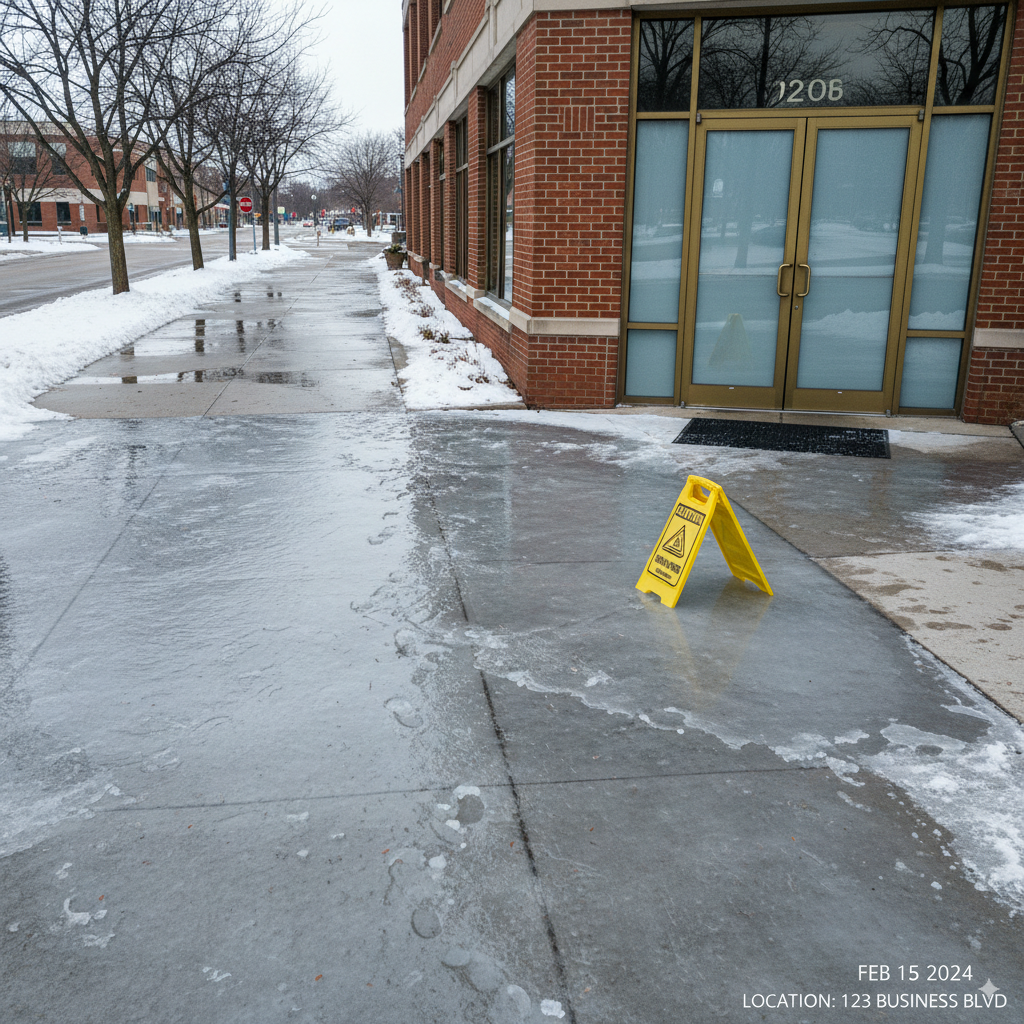


When someone falls on a sidewalk, parking lot, or entrance, what matters is when the surface could have become slippery. Was freezing rain still falling? Could water from melting snow have frozen overnight? An ice slip and fall expert can reconstruct the weather before and during the incident and assess which explanations fit the evidence.
John Bryant provides forensic weather analysis for attorneys, paralegals, and insurance professionals investigating slip and fall accidents involving snow, ice, or freezing rain.
Key Takeaways
- A forensic meteorologist can estimate when precipitation began or ended and identify periods when conditions favored icing or refreezing.
- An airport observation measures conditions at the airport. Photos, video, and maintenance records help establish what happened on the walkway or pavement where the person fell.
- To start a case review, provide the incident address, the date and approximate local time, the exact spot where the fall occurred, and any report deadline.
When Does a Slip and Fall Case Need a Weather Expert?
In slip and fall lawsuits, the weather question is often narrow. The parties may agree that it snowed the day before and disagree about whether meltwater could have frozen before the fall. In another case, they may disagree about whether freezing rain was still falling at the time of the incident.
A forensic meteorologist reconstructs historical weather conditions using observations from the hours or days around the incident. Ask whether the expert has experience analyzing historical weather data in snow and ice cases and how they account for gaps in the available records. If you need a written opinion, deposition, or trial testimony, discuss that scope and your deadlines at the outset.
See the full list of SERVICES.
A weather expert can help when the timing or source of moisture is disputed, when the nearest airport report leaves a gap, or when photographs show an icy patch but give little indication of when it formed.
How Can Black Ice Form Before a Fall?
Meltwater Can Refreeze After a Storm Ends
Snow can melt during the day, and the water can run across pavement from a snow pile, a roof drain, or a higher part of the property. If the pavement later cools enough, the water can freeze. That means an icy patch can develop hours after the last recorded snowfall. Shade, drainage, and the location of remaining snow can help explain why one section of a walkway iced over while another stayed clear.
Freezing Rain and Freezing Fog Can Leave a Thin Glaze
Freezing rain can leave a thin coating of ice when droplets freeze on contact with a cold surface. Freezing fog can also deposit ice on exposed sidewalks and steps. A thin, transparent layer can be difficult to see, especially on dark pavement. The useful question is whether a source of moisture and a cold enough surface were both present before the fall.
Air Temperature and Pavement Temperature Can Differ
A nearby weather station typically reports air temperature. The pavement at the incident site can cool at a different rate depending on sun exposure, cloud cover, and the surface material. A reading above 32°F at the airport can coexist with colder pavement at the property. A reading below 32°F supports the possibility of freezing when moisture is present. The strength of the conclusion depends on the evidence for both.
What Weather Records Can Establish in a Slip and Fall Case
Station Observations and Radar
Airport observations, including reports known as METARs, can document air temperature and reported precipitation. Other nearby stations may help fill gaps or show whether conditions varied across the area. Archived radar can help track the movement and timing of precipitation. It samples the atmosphere above the ground, so the expert compares it with surface observations before drawing conclusions about what reached the property.
Photos, Footage, and Maintenance Records
Photos, surveillance footage, and witness testimony help connect the weather timeline to a particular patch of sidewalk or parking lot. Plowing and salting logs can show when crews were recorded as treating the area. A photo of a snow pile uphill from the fall, paired with evidence that water crossed the walkway, gives the expert a specific explanation to test against the temperature timeline.
Forecasts and Advisories
Archived forecasts and advisories show what was predicted and when that information was issued. Observations and site evidence help reconstruct what happened. Attorneys and claims professionals can use that timeline alongside inspection records, witness accounts, and other evidence when evaluating the case.
What Does a Slip and Fall Weather Report Include?
A forensic weather report identifies the incident location and time window, explains why the expert selected particular stations and other records, and presents a timeline of the relevant weather. It should distinguish conditions directly observed from those inferred at the site and explain any gaps that affect the conclusion.
For plaintiff and defense counsel, a report can clarify whether the evidence supports an ongoing precipitation event, an earlier accumulation, or a later period of refreezing. For insurers, it can help evaluate whether the reported sequence is consistent with documented ice and snow conditions. Depending on the case, the work may include an initial consultation, a written report, or testimony.
What Should You Send for a Weather Case Review?
Start with the street address, the incident date, the approximate local time, and the precise accident location on the property, such as the north entrance or the curb beside a particular parking bay. Include the weather question you want answered and any deadline for a report or testimony.
If available, gather original photos or video with timestamps, incident reports, witness accounts, and logs showing when crews inspected, plowed, or treated the area. A marked photo or site plan can help the expert compare the fall location with drainage paths, snow piles, and shaded areas. You can request an initial review with the basic incident details while the remaining records are being gathered.
Frequently Asked Questions
Can a Meteorologist Tell Exactly When Black Ice Formed?
An expert can often identify a window when icing was plausible or likely. A pavement sensor, clear footage, or other direct evidence from the property can narrow that window. Nearby weather observations alone rarely establish the exact minute ice formed on a particular walkway.
Are Certified Weather Records Enough for a Slip and Fall Case?
NOAA provides certified copies of many archived weather records. Those records document conditions captured by the observing system. A forensic meteorologist can assess how well those observations represent the property and explain where photos, footage, or site measurements are needed to draw a more specific conclusion.
What Is the Difference Between a Meteorology Expert and a Snow Removal Expert?
A meteorology expert evaluates precipitation, temperature, and the timing of possible ice formation. A snow removal expert may evaluate maintenance practices and treatment procedures. A case can involve both questions, especially when the weather timeline needs to be compared with contractor logs.
How Much Does a Slip and Fall Weather Review Cost?
Fees depend on the scope, including the number of locations, how much time the expert needs to reconstruct, the records available, and whether you need a written report or testimony. Share the incident details and deadline so the expert can discuss the scope, fee, and turnaround with you.
Expert Weather Analysis for Your Slip & Fall Cases
- Nationwide Coverage: Weather analysis services available across all 50 states
- Quick Turnaround: Analysis completed within 1-3 weeks, rush service available
- Court-Ready Reports: Professional analysis with charts, graphs, and clear explanations
Need weather analysis for your slip and fall case? Contact Weather and Climate Consulting LLC for professional meteorology expert witness services. Available for consultation, deposition, and trial testimony nationwide. Click
HERE