 All Posts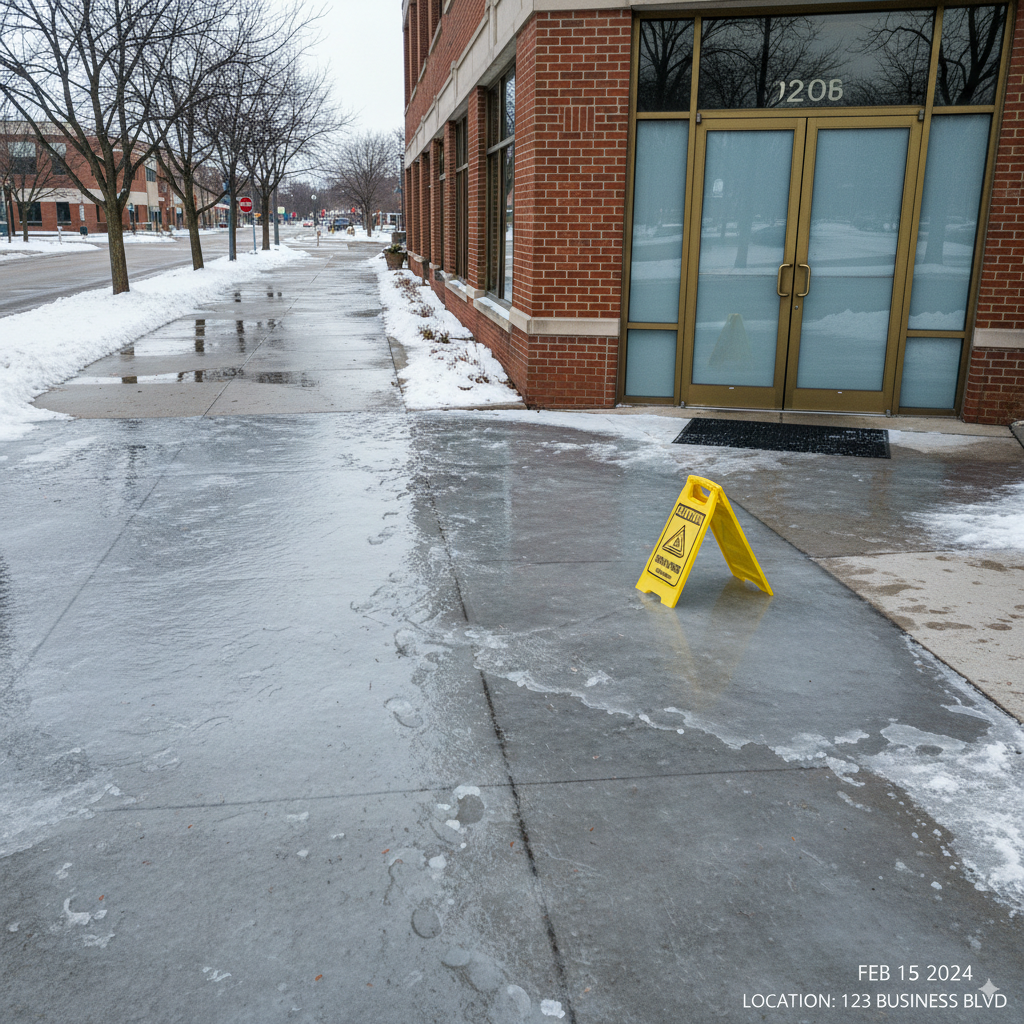


Ice Slip and Fall Expert: Why Paralegals Need a Weather Expert Witness?
Key Takeaways
- Weather conditions play a major role in slip and fall cases, with ice, snow, and freezing temperatures contributing to many outdoor accidents.
- An ice slip and fall expert uses official weather data to reconstruct conditions at the exact time and location of an incident.
- Objective weather analysis helps establish when hazardous ice likely formed and whether property owners had reasonable notice to address it.
- Key evidence includes temperature records, precipitation timing, and forecast data, which help determine foreseeability and liability.
- Early involvement of an ice slip and fall expert can strengthen case strategy, support settlement negotiations, and improve litigation outcomes.
- Relying on generic weather reports or delaying expert analysis can weaken otherwise strong slip and fall claims.
- Professional meteorology reports provide court-ready documentation and testimony that translate complex weather science into clear, understandable evidence.
As a paralegal, you know that ice slip and fall lawsuits often hinge on one critical question: What were the exact weather conditions when the accident happened?
You’ve seen it before: Your client slips on ice outside a grocery store. The store manager claims it wasn’t icy, but witnesses remember differently. Security footage shows the fall but not the ground conditions.
Who is an Ice Slip and Fall Expert?
An ice slip and fall expert is a forensic meteorologist or weather specialist who reconstructs historical weather conditions to determine whether ice, snow, or freezing hazards were present at the time of an accident.
Typical qualifications include:
- Advanced degree in meteorology, atmospheric science, or a related field
- Experience analyzing historical weather data and ice formation conditions
- Knowledge of radar, satellite, and surface weather observations
- Prior expert witness or forensic weather analysis experience
What an ice slip and fall expert does:
- Reconstructs weather conditions at the accident location
- Identifies when ice likely formed and how long it remained
- Evaluates whether conditions were foreseeable
- Provides written reports and expert testimony for legal cases
Slip and fall injuries are a major public safety issue in the United States, with over 1 million people injured annually and more than 800,000 hospitalizations each year due to falls, many of which are linked to weather-related conditions such as ice and snow. These specialists don’t guess about weather conditions. They analyze official data from weather stations, airports, and satellites. They can provide detailed weather information at the accident scene, often down to 15-minute intervals for specific parameters.
For a list of services they provide, these are some examples. SERVICES
Here’s what you need to know about using meteorology experts in ice slip and fall lawsuits.
When Weather Becomes the Key to Your Case?
Not every slip and fall needs a weather expert. However, weather data can make or break your case when natural conditions play a role.
You need weather analysis when:
- Ice formed on sidewalks, parking lots, or building entrances
- Snow created slippery conditions that property owners should have addressed
- Rain made surfaces dangerous without proper drainage or warnings
- Temperature changes caused unexpected ice formation
- Defendants claim that the weather conditions were “unforeseeable”
A meteorology expert can analyze these conditions. More importantly, they can provide objective weather data that helps establish whether property owners had reasonable notice and time to address the hazard.
Steps to Take After Slipping on Ice at a Business
After a slip and fall on ice, documenting conditions quickly can significantly impact the strength of your case.
Immediate steps to take:
- Seek medical attention to document injuries and ensure proper care
- Report the incident to the business manager or property owner
- Take photographs of the icy area, surrounding conditions, and any warning signs
- Collect witness information from anyone who saw the fall or hazardous conditions
- Preserve clothing and footwear worn during the incident
- Request weather documentation, which may later be reviewed by an ice slip and fall expert
Proper documentation helps establish what conditions existed and supports later analysis by weather professionals.
The Science Behind Ice Formation and Slip Hazards
Understanding how ice forms helps you build stronger cases. It’s not just about temperature.
Black Ice Formation
Black ice can develop under several atmospheric scenarios—not only after rain or melting. It often forms when surfaces cool below freezing through radiational cooling, light precipitation, freezing fog, or condensation. It’s nearly invisible but hazardous. Key factors include:
- Surface temperature vs. air temperature differences
- Wind patterns that accelerate cooling
- Humidity levels that affect ice thickness
- Shaded areas that stay frozen longer
Legal Impact: Meteorology experts can analyze when black ice will likely form at specific times, providing data to help establish notice requirements.
Freeze-Thaw Cycles
Temperatures above and below 32°F create dangerous conditions. Water melts during the day and refreezes at night.
- Morning ice forms overnight from yesterday’s melted snow
- Afternoon thaw creates puddles that refreeze
- Repeated cycles make ice thicker and more dangerous
Precipitation Timing
When it rained, snowed, or sleeted, matters for liability. Property owners have different notice requirements based on timing.
- Active storms may excuse immediate removal obligations
- Post-storm conditions require a reasonable cleanup time
- Forecast warnings establish foreseeability
How Ice Slip and Fall Expert Analyze Your Case?
Professional meteorology experts follow a systematic process to analyze weather conditions for your slip and fall case.
Step 1: Data Collection
They gather weather data from multiple official sources near your accident location.
- National Weather Service station data
- Airport weather observations (METAR reports)
- Satellite imagery and radar data
- Local cooperative weather stations
Step 2: Condition Analysis
They analyze the specific conditions and location at the time of your accident.
- Exact temperature at the time of the incident
- Precipitation type and amount
- Wind speed and direction effects
Using official weather data, they can pinpoint conditions within 15-minute to 1-hour intervals, depending on data availability and the specific location.
Step 3: Expert Report and Testimony
They prepare comprehensive reports that judges and juries understand.
- Written analysis with weather charts and graphs
- Timeline showing when conditions became hazardous
- Professional opinions on ice formation and slip hazards
- Court testimony explaining weather science in plain language
What Weather Data Can Prove in Court?
Official weather data from nearby stations provides objective evidence that supports case analysis. However, site-specific conditions may differ—especially in sheltered, shaded, or unique microenvironments. Photographs, witness testimony, and physical inspections are often used alongside weather data to establish conditions at the exact accident location.
Temperature Records
Exact temperatures show when ice could form and when it should have melted. This proves timing for property owner liability.
Precipitation Data
Official records show when and how much it rained or snowed. This establishes the source of slippery conditions.
Forecast Information
Weather forecasts show what property owners should have known in advance. This proves the foreseeability of dangerous conditions.
Case Applications by Practice Focus
Personal Injury Law:
- Prove that dangerous ice conditions existed when the client fell
- Establish property owner had a reasonable time for ice removal
- Show weather conditions were foreseeable from forecasts
Premises Liability Defense:
- Prove ice formed after reasonable inspection periods
- Show conditions were not reasonably foreseeable
- Demonstrate active storm defenses where applicable
Insurance Coverage:
- Verify the weather-related cause of loss for coverage decisions
- Establish a timeline for notice and cleanup obligations
- Analyze exclusions related to ice and snow conditions
Ice Slip and Fall Expert Services for Insurance Claims
An ice slip and fall expert provides valuable support not only for litigation but also for insurance investigations and coverage decisions.
Common services include:
- Weather reconstruction reports identifying ice formation conditions
- Timeline analysis showing when hazards likely developed
- Verification of precipitation events such as snow, sleet, or freezing rain
- Evaluation of freeze-thaw cycles affecting property safety
- Insurance claim reviews to determine weather-related causation
- Expert consultation during claim disputes or subrogation investigations
These services help insurers and legal teams make informed decisions based on reliable scientific data.
Frequently Asked Questions About Ice and Slip & Fall Weather Experts
When do you need a meteorology expert witness for slip and fall cases?
You need a meteorology expert witness when weather conditions like ice, snow, rain, or temperature changes contributed to the accident. They provide scientific analysis of weather data to prove or disprove weather-related liability claims. Any case where natural conditions created the slip hazard benefits from expert weather analysis.
What weather data can a meteorology expert analyze for court cases?
Meteorology experts analyze temperature records, precipitation data, wind speeds, humidity levels, frost formation conditions, and ice accumulation patterns. They use official weather station data and satellite imagery to reconstruct exact conditions at the time and location of the incident. This includes METAR reports from airports, National Weather Service data, and radar imagery.
How much does a meteorology expert witness cost?
Meteorology expert witness fees typically range from $300-500 per hour for analysis and $400-600 per hour for testimony. Most cases require 10-20 hours of analysis plus court time. The investment often pays itself through stronger case outcomes and better settlement positions.
What qualifications should a meteorology expert witness have?
Highly qualified meteorology expert witnesses may have certifications from the AMS, but this is not required. Look for advanced degrees in meteorology or atmospheric science, forensic weather analysis experience, and a track record of court testimony. They should understand both weather science and legal requirements. Check for professional society memberships and documented experience in court or deposition settings.
How long does weather data analysis take for slip and fall cases?
Weather data analysis typically takes 1-3 weeks, depending on the complexity of the case. Expedited analysis may be available in under a week for cases where data is readily accessible and the analysis is straightforward. More complex work involving multiple incidents, locations, or difficult data retrieval may reasonably require longer timeframes.
Can weather experts testify remotely in court?
Yes, many meteorology experts can provide remote testimony via video conference when the court approves. They can present weather data analysis, charts, and visual evidence remotely while maintaining full credibility and effectiveness. Remote testimony can reduce costs and scheduling challenges.
Common Mistakes That Weaken Ice and Slip & Fall Cases
Relying on General Weather Reports: Generic weather reports from news websites don’t provide the specific data you need. Courts require official meteorological data from certified weather stations. News reports often cover large areas and miss microclimates that affect your accident location.
Waiting Too Long to Analyze Weather Data: Weather data analysis takes time, and expert witnesses need advance notice for depositions and trials. Waiting until discovery deadlines approach limits your expert’s ability to provide comprehensive analysis and testimony preparation.
Assuming Weather Conditions Were “Obvious”: Just because it was cold doesn’t prove ice formed. Just because it snowed doesn’t prove the snow caused the fall. Meteorology experts provide the scientific analysis to connect weather conditions to accident causation.
When to Bring in a Weather Expert?
The earlier you involve a meteorology expert, the stronger your case becomes. Weather data analysis can reveal case-winning evidence that changes settlement negotiations.
Consider hiring a weather expert during case evaluation. Early analysis can help you determine the strength of your case and identify the most compelling weather-related arguments.
Don’t wait until the defendant claims weather conditions weren’t dangerous. Proactive weather analysis puts you in control of the narrative and gives you leverage in settlement discussions.
How to Hire a Professional Ice Slip and Fall Expert
Hiring the right ice slip and fall expert ensures accurate weather reconstruction and credible testimony.
Steps to hiring a qualified expert:
- Verify educational background in meteorology or atmospheric science
- Review forensic experience involving slip and fall or weather-related cases
- Confirm expert witness history, including depositions and trial testimony
- Ask about data sources such as radar, METAR reports, and surface observations
- Request sample reports to evaluate clarity and professionalism
- Discuss timelines and costs before retaining services
Selecting an experienced professional improves the reliability of weather findings and strengthens case preparation.
Expert Weather Analysis for Your Slip & Fall Cases
- Nationwide Coverage: Weather analysis services available across all 50 states
- Quick Turnaround: Analysis completed within 1-3 weeks, rush service available
- Court-Ready Reports: Professional analysis with charts, graphs, and clear explanations
Need weather analysis for your slip and fall case? Contact Weather and Climate Consulting LLC for professional meteorology expert witness services. Available for consultation, deposition, and trial testimony nationwide. Click
HERE