 All Posts


Winter storms pose a significant liability risk for businesses, with icy walkways and untreated surfaces leading to costly slip and fall litigation. Each year, thousands of people file slip and fall lawsuits against property owners who fail to properly maintain their walkways before and after winter weather events. Businesses that neglect winter storm preparation put employees and customers at risk and open themselves up to expensive legal battles and potential financial losses.
Property owners must take a proactive approach to winter safety to minimize slip and fall liability. Properly applying de-icers, ensuring adequate traction, and maintaining clear walkways can prevent hazardous conditions that lead to legal claims. Avoiding liability is not just about pre-storm preparation—ongoing maintenance after snowfall is equally critical to avoid refreezing and hidden ice patches that could result in serious injuries.
This guide will outline the best practices for winter walkway safety, detailing what businesses must do before and after a storm to reduce their legal exposure. By following these strategies, business owners can protect both their patrons and their bottom line from unnecessary risk.
The Legal Responsibility of Business Owners
Under premises liability law, property owners are required to maintain a safe environment to prevent injuries to those who enter their premises. This responsibility includes taking reasonable measures to address hazardous conditions such as ice and snow on walkways. Failure to do so can result in legal liability for any accidents that occur as a result.
Failing to take reasonable precautions to prevent slip and fall accidents can expose businesses to legal claims, costly settlements, and reputational damage. Courts often consider factors such as:
✅ Timeliness of snow and ice removal – Did the business take action within a reasonable timeframe?
✅ Use of de-icing materials – Were salt, sand, or other traction agents applied?
✅ Compliance with local ordinances – Were municipal snow removal deadlines met?
If a slip and fall lawsuit arises, businesses without documented winter maintenance procedures may struggle to defend themselves against slip and fall litigation. Proactive winter safety measures not only protect visitors but also help reduce legal exposure.
Key Reasons to Treat Walkways Before and After a Storm
Maintaining clear and slip-resistant walkways isn’t just about safety—it’s a business necessity. Proper snow and ice management before and after a storm can help prevent injuries, minimize liability, and keep operations running smoothly.
1. Prevent Slip-and-Fall Accidents
Uncleared ice and snow create hazardous walking conditions, significantly increasing the risk of slip and fall injuries. Businesses should take proactive measures, such as:
- Pre-treating surfaces with de-icers before snowfall to prevent ice buildup.
- Applying traction materials (e.g., sand, salt) to improve grip.
- Shoveling and plowing regularly to remove accumulated snow.
- Inspecting walkways for hidden ice patches after storms.
Preventative maintenance is far more cost-effective than dealing with the aftermath of a lawsuit or workers’ compensation claim.
2. Mitigate Legal Risk
If someone slips and falls on a poorly maintained walkway, your business could be held liable for negligence. Property owners can protect themselves from slip and fall litigation by:
- Developing a winter weather response plan to ensure timely treatment.
- Keeping detailed records of snow removal efforts, including timestamps and methods used.
- Installing warning signs to alert pedestrians to icy areas.
- Consulting with a meteorology expert witness if legal disputes arise to verify weather conditions at the time of an incident.
Taking these steps strengthens legal defenses and demonstrates due diligence in preventing accidents.
3. Maintain Business Operations
Slippery sidewalks and unsafe walkways deter customers and employees from entering your business. This can lead to:
- Lost revenue – Fewer visitors due to hazardous conditions.
- Employee absences – Workers may call out if they cannot safely access the building.
- Delivery disruptions – Icy conditions can prevent suppliers from reaching your location.
By ensuring safe access, businesses avoid unnecessary operational downtime and maintain customer trust.
4. Comply with Local Ordinances
Many cities and states require businesses to clear snow and ice within a specific timeframe after a storm. Failure to comply can result in:
- Fines and penalties for non-compliance.
- Increased liability in slip and fall cases.
- Bad publicity from safety violations.
To avoid penalties, businesses should:
- Familiarize themselves with local snow removal laws.
- Schedule maintenance crews to ensure prompt cleanup.
- Keep a log of compliance efforts in case of disputes.
5. Reduce Insurance Costs
Frequent slip and fall claims can lead to:
- Higher insurance premiums due to increased risk.
- Possible policy cancellations for excessive claims.
- Difficulty obtaining future coverage from insurers.
Insurance companies often offer lower rates to businesses that demonstrate strong risk management. Maintaining safe, well-treated walkways is an effective way to keep insurance costs manageable while protecting your business.
The Consequences of Neglect: How a Forensic Meteorologist Impacts Slip and Fall Lawsuits
A forensic meteorologist may be called upon to provide expert testimony if your business is sued after a winter-weather-rFailing to properly treat walkways before and after a winter storm can have serious legal and financial repercussions for businesses. If a slip and fall lawsuit is filed, the burden is often on the property owner to prove they took reasonable precautions to prevent hazardous conditions. This is where forensic meteorology plays a critical role in legal proceedings.
How Forensic Meteorologists Support Legal Cases
A forensic meteorologist is an expert trained to analyze weather data, radar records, and snowfall rates to determine if hazardous conditions were present at the time of an accident. Their expertise is often used in premises liability lawsuits to assess whether a business took appropriate preventative and post-storm measures.
When a lawsuit arises, a forensic meteorologist can:
- Verify snowfall amounts and icing conditions at the precise time and location of the incident.
- Determine if weather conditions warranted preemptive de-icing and whether the property owner followed proper protocols.
- Analyze temperature fluctuations and refreezing risks that could have created hidden hazards.
- Examine local weather records and maintenance logs to confirm if the business acted within a reasonable timeframe.
- Provide expert reports and courtroom testimony to support or dispute liability claims.
Why This Matters for Businesses
When a business fails to properly treat its walkways, it creates liability risks that forensic meteorologists can easily uncover. Courts consider their findings as scientific evidence when determining whether a property owner’s actions (or inaction) contributed to the accident. If the meteorologist’s analysis shows that hazardous weather conditions were foreseeable, yet no action was taken, the business could be found negligent and held financially responsible.
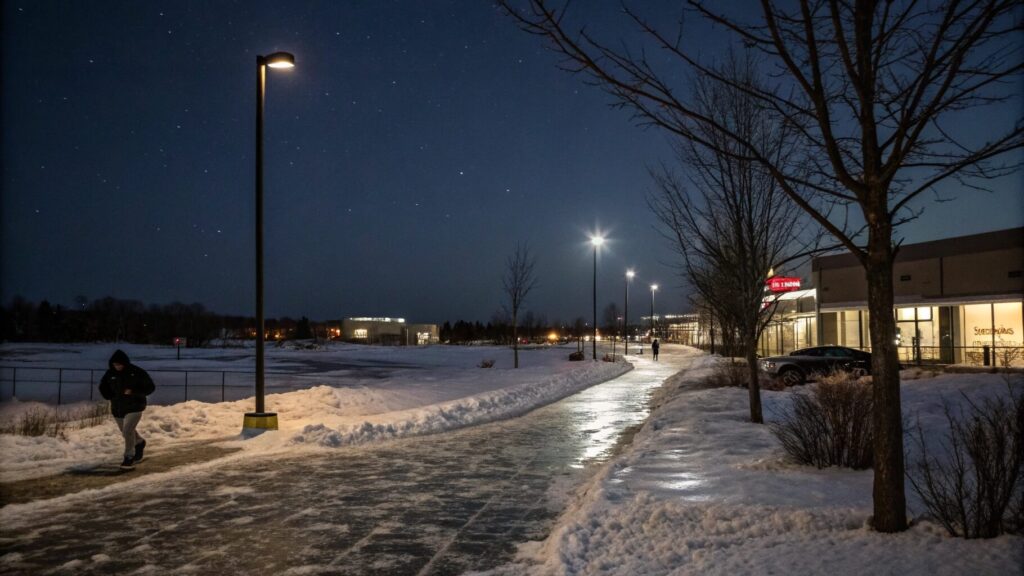
Best Practices for Winter Weather Walkway Maintenance
Keeping walkways, parking lots, and entryways safe during winter is crucial to preventing slip and fall liability and reducing the risk of slip fall lawsuits. Neglecting proper winter maintenance can result in costly legal claims, business disruptions, and reputational damage. To protect your business and ensure public safety, follow these best practices for effective snow and ice management.
Here’s a few recommendations on how to best protect your business during winter weather:
✅ Pre-Treat Surfaces – Apply de-icing agents like salt or sand before a storm to prevent ice formation.
✅ Clear Snow Promptly – Shovel or plow walkways, parking lots, and entryways as soon as possible after snowfall.
✅ Use Ice Melt Effectively – Reapply salt or sand after clearing snow to prevent refreezing.
✅ Document Your Efforts – Keep records of snow removal times, temperatures, and any maintenance actions taken.
✅ Monitor Weather Conditions – Stay informed about winter storm warnings and adjust maintenance efforts accordingly.
Winter is far from over, and businesses must stay vigilant in their snow and ice removal efforts. Ignoring these responsibilities can lead to severe legal and financial consequences. Proactive snow and ice management ensures safety and protects businesses from costly litigation.
If a lawsuit does arise, be prepared—a forensic meteorologist may become a critical resource in defending or proving liability claims. Taking preventative measures now can help avoid legal trouble later.
The author of this post is not a lawyer. This post is meant to provide guidance on how to help prevent accidents and injuries.
For more weather-related legal resources, visit NOAA Weather and Climate Resources.