 All Posts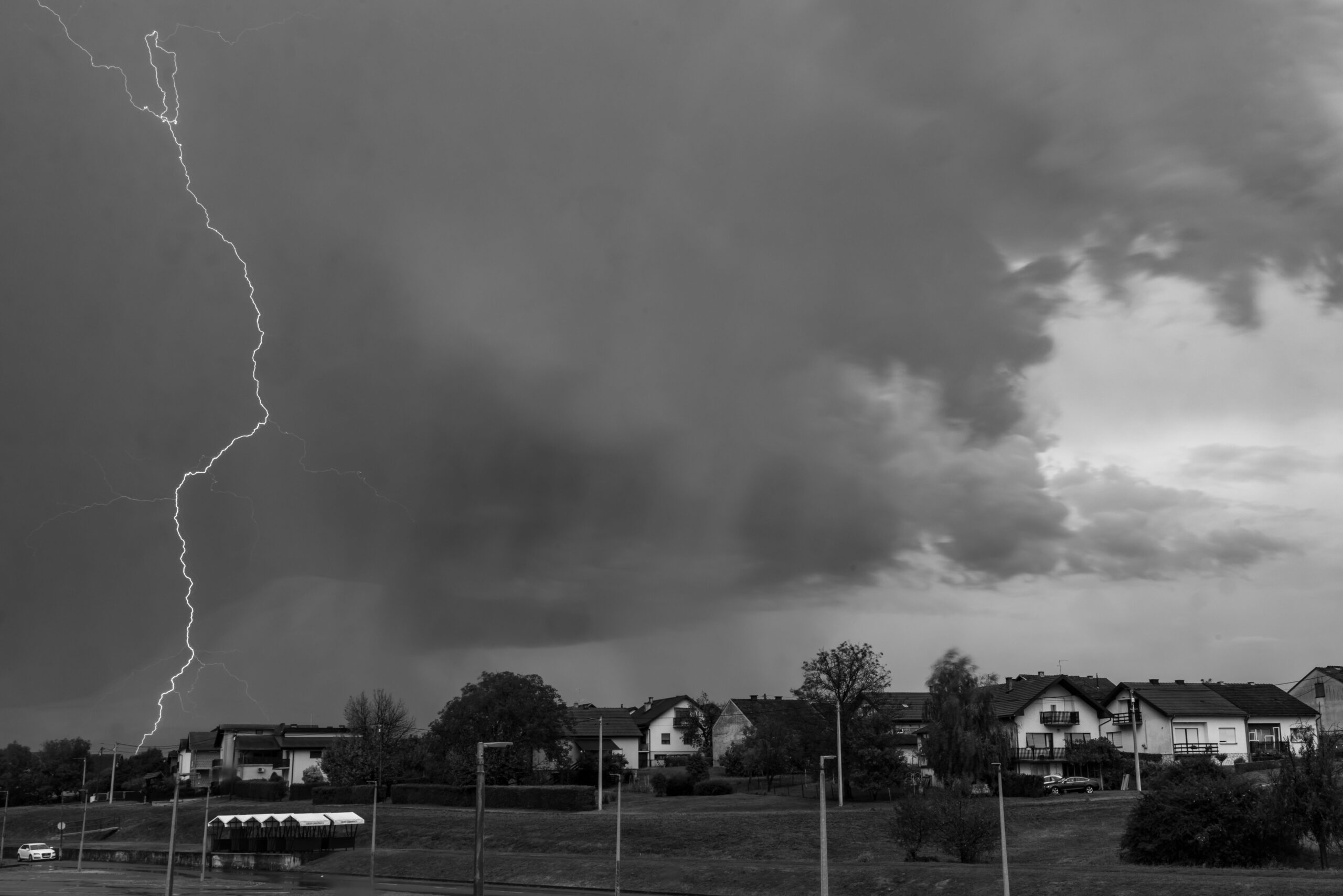


Severe convective storm analysis addresses the increasing organizational losses resulting from hail, tornadoes, and high winds. The convergence of meteorological science with insurance and risk management has grown as these storms surge in both impact and frequency, revealing gaps in traditional risk strategies. Competitors increasingly connect technical data with actionable risk and insurance guidance, underlining the need for interdisciplinary solutions.
This article educates attorneys, insurers, and risk managers on severe convective storms, clarifies risk assessment and insurance ramifications, and details effective risk mitigation strategies. Readers gain expertise from John Bryant in storm classification, forensic analysis, catastrophe modeling, and practical business continuity planning tailored to legal and insurance stakeholders.
Key Takeaways
- Increased severe convective storm activity is driving higher insurance losses and exposure.
- Accurate storm classification improves risk and claims assessments.
- Business continuity depends on robust meteorological risk evaluation and resilience planning.
- Catastrophe modeling platforms significantly influence insurance strategy and claims outcomes.
- Exposure growth and changing climates are primary drivers of storm-related loss trends.
Severe Convective Storms: Classifications, Occurrence, and Trends
The foundation of severe convective storm risk management is understanding event types, geographic patterns, and evolving loss drivers. The following sections examine definitions, occurrences, and trends for legal and insurance professionals.
What defines a severe convective storm, and how are they classified?
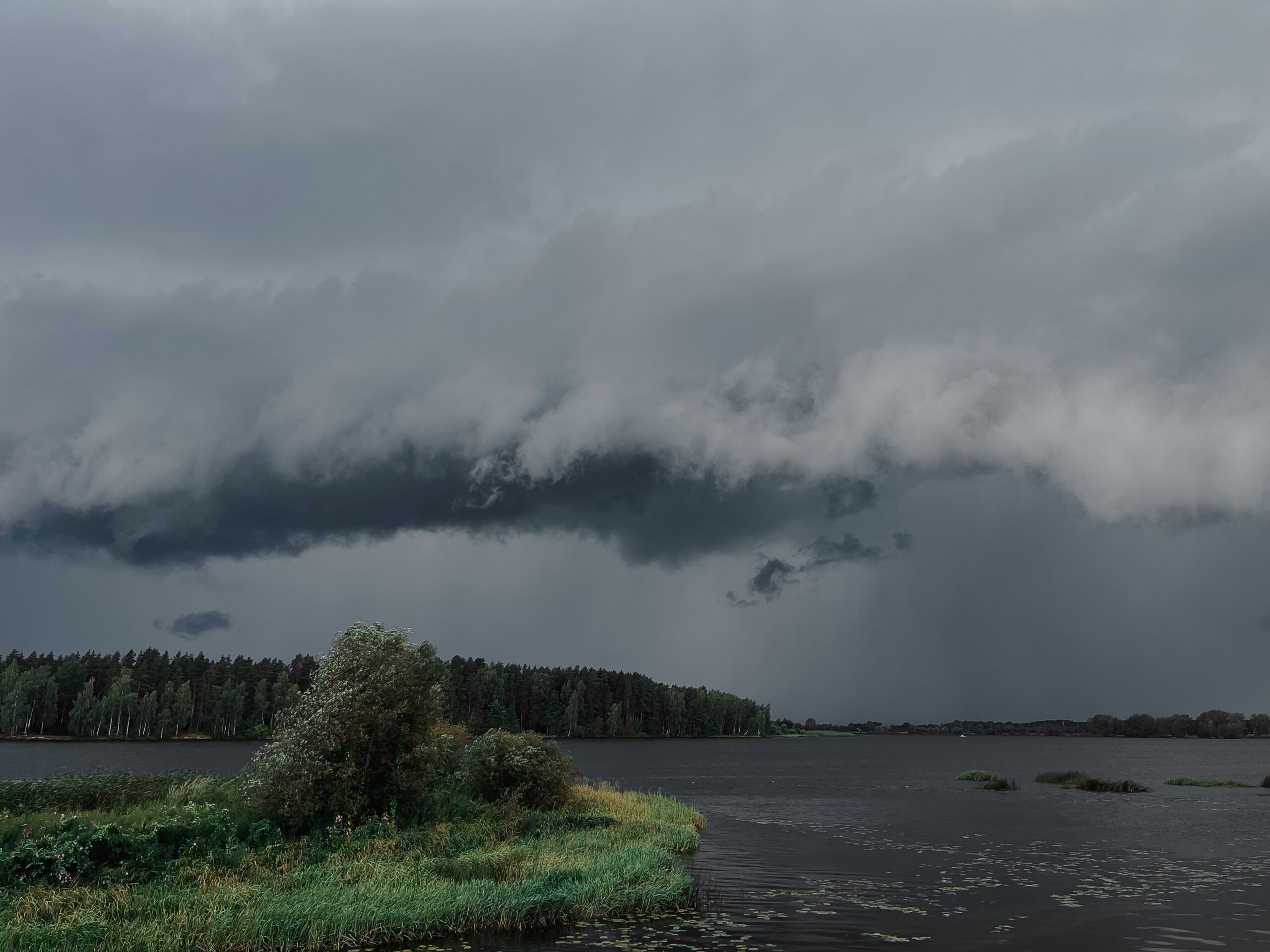
Severe convective storms include thunderstorms with damaging winds, large hail, tornadoes, and related weather hazards. Classification typically focuses on the physical structure and dynamics of storms, such as single-cell, multi-cell, supercell, and squall lines. The anatomical features
- updrafts, downdrafts, and organized rotation
- determine both the storm’s intensity and associated risks. Regional distribution of storm types directly impacts risk assessments by indicating which areas are most prone to different storm hazards.

How frequent are severe convective storms in the United States?
Frequency of severe convective storms varies regionally, with the Central and Southeastern United States experiencing the highest occurrence. Notable historical events include the 2011 Super Outbreak across multiple states and the catastrophic Derecho events in the Midwest. Extremes in hail size, tornado tracks, and straight-line wind speeds are most common in Tornado Alley but can occur throughout much of the country, posing risk to diverse industries and infrastructure.
What drives the rising losses and exposure growth from these storms?
The upward trend in severe weather claims is tied to multiple drivers. Expansion of development in high-risk regions increases both asset exposure and frequency of loss events. Shifts in climate patterns also contribute, leading to more frequent and intense storms. According to a 2024 National Center for Atmospheric Research analysis, the combination of urbanization and climatic volatility accounts for much of the documented rise in storm-related losses.
Business Risks, Insurance Impacts, and Risk Assessment Approaches
Effective severe convective storm risk management for insurers and legal teams requires a clear understanding of event-specific business vulnerabilities and coverage complexities. The next sections outline these core considerations and strategies.
What are key risks and vulnerabilities for organizations?
Severe convective storms present direct and indirect risks to business operations and assets. Assessment of key risks is crucial:
Organizations must consider various vulnerabilities when preparing for severe convective storms:
- Facility and infrastructure damage from hail, wind, and tornado impacts
- Disruption to supply chains and essential operations
- Risks to employee safety during and after storm events
- Increased likelihood of business interruption and financial loss
Identifying which vulnerabilities are most relevant is the first step toward developing effective risk reduction strategies and resilient operational plans.
How do severe convective storms impact insurance and risk management?
Severe weather events create unique challenges for insurance claims and business continuity planning. Losses often involve large physical asset claims, business interruption coverage, and complex dispute resolution. Forensic meteorology supports clear event cause analysis, which can streamline claims assessments and prevent disputes. One challenge is the variable intensity and unpredictability of these storms, often leading to underestimation of vulnerability and difficulty modeling rare but impactful events.
How can companies manage and mitigate risks from these events?
Mitigating the organizational impact of severe convective storms relies on thorough risk assessment and proactive resilience planning. Companies benefit from integrating business continuity procedures with regular reviews of local risk profiles and tailored insurance purchasing. A best practice is leveraging catastrophe modeling platforms to simulate loss potential and guide effective policy procurement, using updated weather data and exposure analytics. These steps help support both claims readiness and organizational recovery.

Catastrophe Modeling and Custom Solutions for Insurance Claims
Advanced catastrophe modeling enables legal and insurance professionals to quantify convective storm risk, guide underwriting, and analyze disputed claims. The following sections outline the models, their applications, and associated challenges.
What are catastrophe models for severe convective storm risk?
Catastrophe models use atmospheric data, historical event records, and exposure databases to estimate potential financial losses from convective storms. Tools such as AIR Worldwide and RMS offer customizable platforms for modeling hail, tornado, and wind risks. Models incorporate storm track data, regional climatology, and portfolio characteristics to produce both scenario-specific and aggregate loss estimates relevant for the insurance and legal industries.
Why does accurate modeling matter for insurers and reinsurers?
Accurate catastrophe modeling is essential for correctly pricing risk, structuring reinsurance agreements, and validating insurance claims. When selecting a model platform, decision makers should weigh the model’s ability to reflect local exposure patterns, account for emerging trends in storm frequency, and adapt to changes in portfolio characteristics. According to a 2024 Insurance Institute for Business & Home Safety report, advances in modeling resolution and input data quality have delivered measurable improvements in insurance loss estimates and claims processing accuracy.
Which modeling challenges affect successful claims outcomes?
Claims outcomes are sensitive to challenges in storm forecast accuracy and limitations of model input data. Unforeseen changes in local development, underreported asset values, and shifts in storm patterns can all undermine loss estimation. The ongoing growth of exposure due to urban expansion further complicates calibrating model outputs to real-world loss experience, highlighting the continued value of expert forensic meteorology in complex claim scenarios.
Conclusion
Severe convective storm analysis has become integral for managing evolving weather risks and resolving insurance claims. Through precise event classification, robust catastrophe modeling, and focused risk mitigation strategies, legal professionals and insurers can minimize losses and strengthen claims outcomes. Engaging with Weather & Climate Expert and John Bryant supports tailored solutions for the demands of modern severe weather risk.
Frequently Asked Questions
How do severe convective storms most commonly affect insurance claims?
Severe convective storms often create widespread property loss, disrupt business functions, and lead to large, complex insurance claims. Variability in storm intensity and rapid onset contribute to challenges in timely and accurate claim settlement.
What differentiates hail, wind, and tornado losses under insurance policies?
Insurance coverage frequently distinguishes between hail, wind, and tornado losses, sometimes applying specific deductibles or policy exclusions. Detailed knowledge of policy wording and perils is critical for coverage disputes and loss adjustments resulting from convective storms.
How can organizations evaluate their vulnerability to severe convective storms?
Vulnerability assessments consider building locations, construction standards, operational continuity plans, and regional storm history. Advanced modeling platforms such as AIR Worldwide enable more granular identification of exposure hotspots specific to organization portfolios.
What best practices exist for mitigating severe convective storm risks?
Organizations should regularly update resilience measures, maintain emergency response protocols, review risk analytics, and utilize scientific weather data to inform insurance decisions. Routine engagement with forensic meteorologists and catastrophe model outputs further strengthens readiness for severe weather claims.
Why are losses from severe convective storms on the rise in recent years?
Increased development in areas prone to storm activity and shifts in climate patterns have driven both higher claim frequency and larger loss amounts in recent years. Exposure growth remains the primary factor behind these trends as documented in multiple peer-reviewed studies from 2024.
Growing severe convective storm losses are tied to evolving weather trends, asset exposure, and the importance of robust catastrophe modeling. Asset protection and claim outcomes rely on event classification, forensic analysis, and resilience strategies informed by advanced risk platforms. For dedicated expertise and custom storm loss solutions, consult John Bryant.