 All Posts


Weather related insurance claims are a critical consideration for legal, insurance, and environmental professionals. These claims can involve complex physical evidence, policy language, and expert analysis, all working together to determine policyholder outcomes. The underlying insight is that outcomes often hinge on the clarity of meteorological evidence and the rigor of documentation.
This article delivers actionable strategies for those tasked with preparing or defending weather related claims. Readers will learn the major types, their unique considerations, and best practices for substantiation and expert support, drawing on the expertise of John Bryant, a leading authority in forensic meteorology and expert witness analysis.
Key Takeaways
- Weather events routinely trigger diverse insurance claims, each with unique challenges.
- Accurate meteorological evidence is critical for claim credibility and success.
- Unique legal and evidentiary issues differentiate weather claims from other property claims.
- Tools like ArcGIS, NOAA, and Xactimate enhance evidence quality and analysis.
- Early expert engagement increases the likelihood of favorable claim outcomes.
What Are Weather Related Insurance Claims?
Weather related insurance claims are initiated when property, vehicles, or individuals are affected by adverse atmospheric events. Legal, insurance, and compliance professionals must evaluate both the direct influence of weather and the policy language governing coverage and exclusions. Every claim is unique to the underlying event and evidence.
How do weather related insurance claims work?
A weather related insurance claim is triggered by an incident such as a storm, flood, or wildfire that causes property damage or bodily harm. The process begins with immediate incident documentation and notification to the insurer. Adjusters and, often, expert witnesses analyze the facts and causation. The insurer reviews all compiled evidence, consults policies, and resolves the claim through payment, denial, or negotiation.
What are the main categories of weather related insurance claims?
Weather related insurance claims are classified by the type of event. Understanding core categories helps legal and insurance professionals prepare for variable evidentiary and policy requirements. Common categories include:
- Flood claims, focused on rapid or sustained water intrusion onsite
- Wildfire and smoke claims, driven by regional fire events, heat, and smoke particles
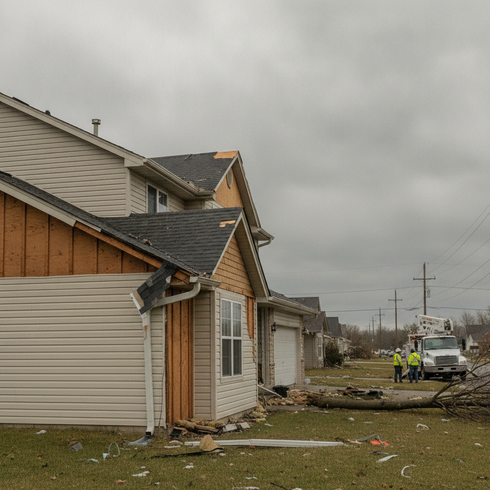
- Hurricane and windstorm claims, involving high winds, tornadoes, and related debris damage
- Hail and severe storm claims, specifically related to precipitation and atmospheric conditions
- Claims from extreme temperatures
- usually freezing or heat damage
What terms and definitions should be understood?
Professionals handling weather related claims must be fluent in key terminology. Essential terms include “peril” (insured hazard), “proximate cause” (dominant cause of loss), “exclusion” (uncovered situations), and “declaration page.” Forensic meteorology involves concepts such as “return period” (frequency of specific events) and “historic synoptic analysis.” Familiarity with these terms enables clearer communication with forensic weather experts.
Types, Benefits, and Challenges in Weather Related Insurance Claims
A thorough understanding of the claims landscape enables legal and insurance stakeholders to navigate the evidence, legal doctrines, and technical requirements unique to weather loss cases. Sound preparation drives both claim success and defensibility.
What are the benefits and challenges of pursuing weather-related claims?
Weather-driven claims provide unique opportunities but also present significant hurdles. Legal and insurance professionals note several advantages and requirements essential for robust case preparation:
- Claims based on objective meteorological data offer strong evidentiary backing.
- Third-party expert analysis increases confidence for negotiation or litigation.
- Challenges often arise from identifying causation, policy exclusions, and rapid evidence loss due to environmental change.
- Large events may result in claim surges and adjuster backlogs, extending timelines and complicating resolution.
How do these claims compare to other insurance claim types?
Weather related insurance claims differ from standard property or casualty claims in several ways. Weather-driven events often produce widespread, simultaneous damage, raising unique challenges surrounding causation and loss allocation. According to a 2024 University of California Berkeley study on insurance claims trends, weather claims were among the most likely to require specialized technical analysis and to experience disputes over cause and timing. These differences make clear and prompt forensic meteorological analysis a critical component in claim resolution.
What are best practices for managing documentation and evidence for weather claims?
Sound documentation is the foundation of any weather related insurance claim. Professionals should prioritize timely recordkeeping and leverage technology to improve the accuracy and defensibility of evidence. Tools such as ArcGIS are used for spatial mapping and geographic context, while NOAA databases provide official weather data for specific incidents. Accurate chain of custody for photographs, sensor readings, and maintenance records preserves data integrity for expert review.
Common types of weather-related insurance claims
Professionals in legal and insurance fields must be prepared to address a broad variety of weather-related cases. The most common types include:
- Storm and hurricane insurance claims
- Flood insurance claims
- Wildfire and smoke damage claims
- Hail and windstorm claims
- Slip-and-fall claims due to ice or precipitation
- Property damage from extreme temperatures
Each claim type requires a tailored approach, particularly when weather evidence or causation is likely to be disputed.
Building an Effective Weather Claim: Step-by-Step Guide
Building a defensible weather related claim requires a detailed process that combines accurate documentation, technology, and expert analysis. A methodical approach improves outcomes and reduces the likelihood of disputes during resolution.
What practical steps ensure a strong weather-related claim?
The most effective claims are those substantiated by prompt and precise documentation, expert reports, and detailed forms. To ensure a claim is robust:
- Gather evidence: Collect photos, videos, maintenance logs, and onsite sensor data as soon as feasible after the event.
- Secure official weather data: Source reports from NOAA or other recognized entities to establish the timing and severity of the incident.
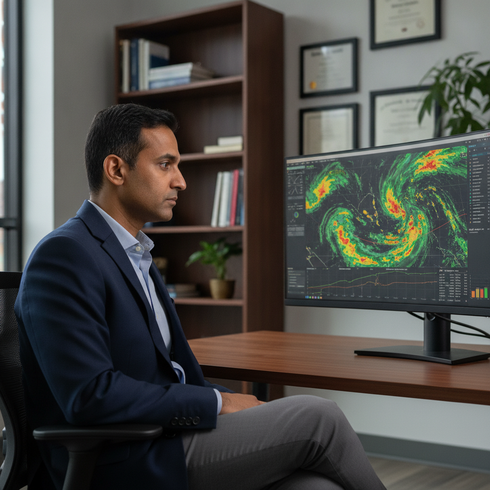
- Commission expert analysis: Engage a forensic meteorologist for technical causation reports that clarify event specifics.
- Complete detailed claim forms: Fill out insurer documentation thoroughly, noting all known damages and potential policy triggers.
How can platforms like Xactimate and Expert Witness Report Templates help?
Specialized platforms streamline the substantiation and management of weather claims. Xactimate facilitates rapid, standardized estimates for property damage, providing a reliable baseline in negotiations with insurers. Expert Witness Report Templates ensure technical findings are laid out logically and consistently, improving communication to legal parties or the court. According to a 2023 International Association of Insurance Professionals survey on technology use in claims management, 67% of respondents reported improved accuracy and faster claim turnaround when leveraging such software, underscoring the strategic value of these tools for high-stakes cases.
Real-world examples and lessons learned
Case study insights are invaluable in understanding the practicalities of weather related claims. Disputes arising from major wildfires have illustrated the importance of differentiating between direct flame damage and secondary smoke exposure. Large-scale property damage claims following hurricanes have been most successful when expert meteorology testimony was provided to verify the precise timeline of loss. By contrast, claims are frequently denied when evidence is incomplete or when policy exclusions (such as flood versus storm) are misapplied.
Conclusion
A robust strategy for weather related insurance claims relies on detailed documentation, authoritative weather records, and the early involvement of expert testimony. Direct consultation with Weather & Climate Expert can provide decisive advantages in preparation and resolution. For additional information or complex claim analysis, contact John Bryant to assess the best path forward.
Frequently Asked Questions
What types of documentation are essential for weather related insurance claims?
Core documentation includes accurate meteorological data, photographs of damage, and ongoing property maintenance records. Reports from sources such as NOAA add further credibility to the supporting file and are often required for complex claims.
Can historic weather data help strengthen a claim?
Historic weather records can establish causation between the meteorological event and claimed loss, particularly as part of forensic meteorology analysis. Reliable archives are often decisive in adjudicating whether an event triggered coverage based on the policy terms.
How quickly must a weather related insurance claim be filed?
Deadlines for filing vary widely by policy and jurisdiction. Immediate notice and swift documentation are critical, as delayed claims increase the risk of evidentiary loss and denial, especially in weather-driven events where conditions change rapidly.
What are common reasons for denial of weather related insurance claims?
Common pitfalls include insufficient evidence, the presence of policy exclusions, and errors in classifying the damage as weather-related. Detailed expert review often reveals these gaps and can help reframe the claim for more favorable consideration.
When should legal or forensic meteorology experts be involved?
Expert involvement should be prioritized in any case where causation, timing, or damage extent is disputed or where significant financial amounts are in contention. The specialized analysis provided can be pivotal to achieving a fair and accurate outcome.
Comprehensive weather related insurance claim practices rely on accurate documentation, contemporary technology, and authoritative expert support. Strategic use of forensic meteorology and platforms such as ArcGIS and Xactimate can significantly strengthen claims. Early engagement of expert witnesses and credible data enhances outcomes. For those needing case support or complex analysis, John Bryant’s experience with Weather & Climate Expert can deliver clarity and results.