
Confirm Hail Events and Validate Damage Severity
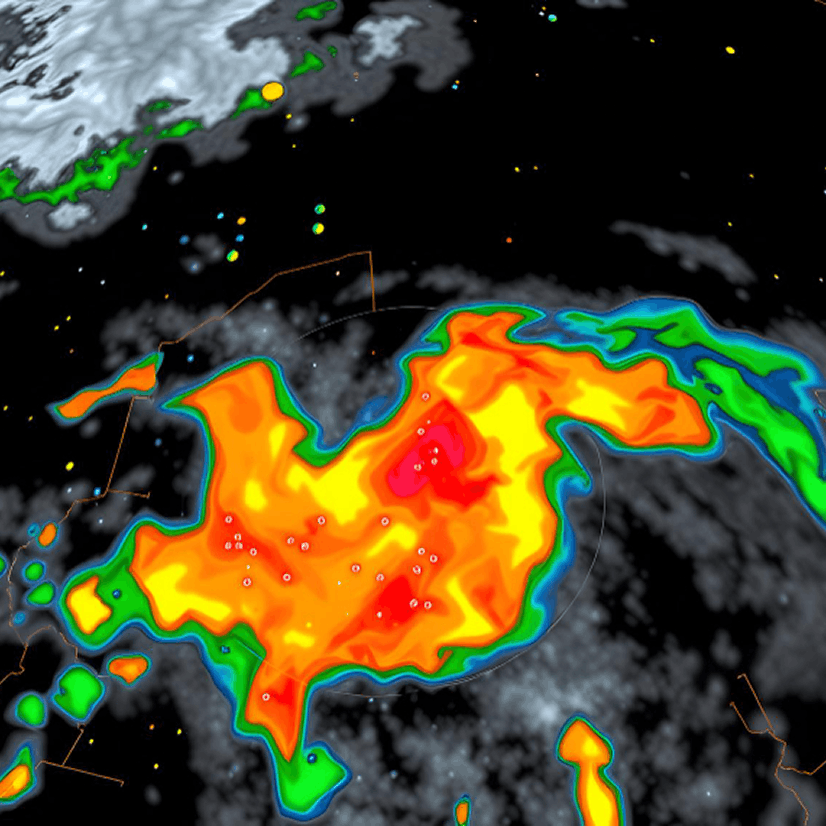
Hail claims often depend on whether hail actually occurred at the property location and whether reported damage matches storm intensity. I verify hail activity using high-resolution radar data, storm tracking systems, and atmospheric conditions to provide clear, evidence-based answers for insurance and legal disputes.
About This Service
Clarity for Weather Damage Claims
This service determines whether reported hail damage is consistent with verified meteorological conditions at the time of loss.
I analyze multiple layers of weather data, including radar signatures, surface observations, storm reports, and historical records, to reconstruct whether hail was present and whether it could reasonably have caused the reported damage. The goal is to remove uncertainty and provide a clear, defensible link between storm activity and property impact.
Why It Matters
Verification Determines Claim Outcomes
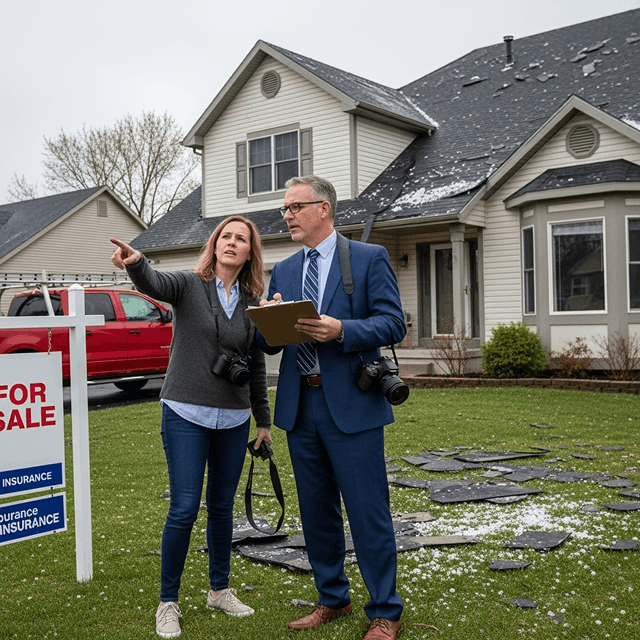
Hail claims are not only about whether a storm occurred, but whether hail specifically occurred at the insured location with enough intensity to cause damage. In many disputes, claims are delayed or denied because hail activity did not occur at the exact property location, storm intensity was too weak to cause reported damage, timing does not align with the claimed loss period, and nearby weather stations do not reflect site-specific conditions.
Because hailstorms can be highly localized, even small geographic differences can significantly change outcomes. Accurate reconstruction ensures decisions are based on verified meteorological evidence, not assumptions or regional summaries.
Core Service Areas

Hail event confirmation
Verification of whether hail occurred at the exact time and location using radar reflectivity, storm cell tracking, and atmospheric indicators.

Storm intensity analysis
Assessment of hail size, density, storm structure, and severity to determine potential for property damage.

Property damage correlation
Comparison of verified storm conditions with reported damage patterns to evaluate consistency and plausibility.

Insurance claim validation
Structured meteorological analysis designed to support claim decisions, dispute resolution, or underwriting review.
Case Types
- Roof hail damage disputes
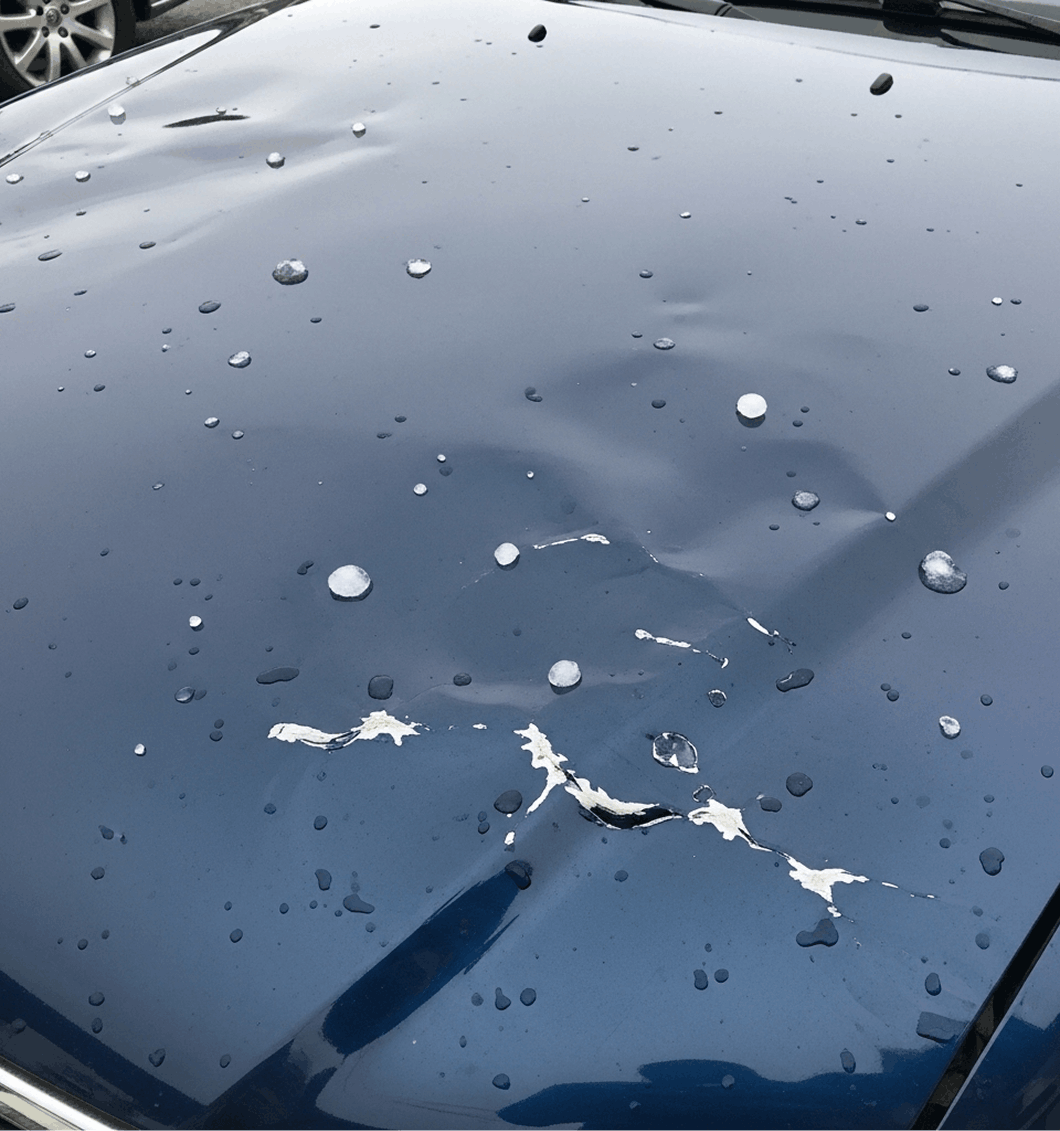
- Vehicle hail damage verification
- Structural impact assessment
- Insurance claim denials or appeals
- Storm severity confirmation cases
- Environmental exposure disputes
How It Works
1
Submit your request
Provide the location, timeframe, and context of your case, project, or operational need. No technical formatting is required.
2
Define scope & analyze data
I review the details and identify the appropriate datasets, methods, and analytical approach needed for your specific situation. Weather and environmental data are then processed, analyzed, or reconstructed based on the service type.
3
Deliver structured results
You receive a clear, defensible report or insight summary designed for legal, technical, operational, or planning use depending on your needs.
Why Work With John
-

Scientific precision with real-world application
All analysis is grounded in validated meteorological and environmental data to ensure accuracy and reliability across technical, legal, and operational contexts.
-
Clear and defensible insights
Complex weather and environmental data is translated into structured, easy-to-understand findings suitable for professional review and decision-making.
-
Certified expertise and credibility
Work is conducted under rigorous scientific standards, including Daubert-aligned methodology for forensic work and established meteorological best practices.
-
Independent and objective analysis
All conclusions are based strictly on data and established scientific methods, with no assumptions or external bias.


Lamont Matthews
Personal Injury/Weather-Related Vehicular Accident Case
John’s analysis and reconstruction of the precise weather conditions at the time and location of my accident were remarkable. His report detailed the type of precipitation, temperature, and ice conditions. His expert testimony and report made all the difference, helping me settle the dispute with my insurance company quickly.
New York Attorney
Slip-and-Fall Case
I recently worked with John Bryant of Weather and Climate Consulting, LLC, on a New York slip-and-fall matter in which the ‘Storm in Progress’ defense was the central issue. John’s analysis of NEXRAD radar and site-specific temperature trends was surgical. He pinpointed the exact minute precipitation ceased and tracked the freeze/thaw cycle with a level of precision I haven’t seen from larger national firms. His work provided the objective evidence we needed to establish the timing of the hazard. He is easy to work with, highly responsive, and very cost-effective. If you have a case where the “when” and “how” of ice formation are in question, he is your guy.
Satisfied Defense Attorney
Slip and Fall Case
His exhaustive analysis and ability to locate scarce, precise data were instrumental in dismantling the opposition’s claims. The evidence he provided to reconstruct the weather event was critical to securing a favorable settlement for my client.
Satisfied Personal Injury Attorney
Flash Flood Case
Through his meticulous analysis and reconstruction of weather patterns, John demonstrated the conditions at an isolated location despite what broad regional data showed. His customized report established that intense rainfall occurred at the site and helped bring a bit of justice to such a tragic incident.
FAQs
- How do you confirm a hail event occurred?
By analyzing radar reflectivity data, storm tracking systems, atmospheric conditions, and surface observations to confirm hail formation and location-specific impact.
- Why do hail claims get denied?
Common reasons include no verified hail at the exact property location, weak storm intensity, or a mismatch between timing and reported damage.
- Can hail damage vary across nearby areas?
Yes. Hailstorms are highly localized and can vary significantly within short distances, sometimes even between neighbouring properties.