 All Posts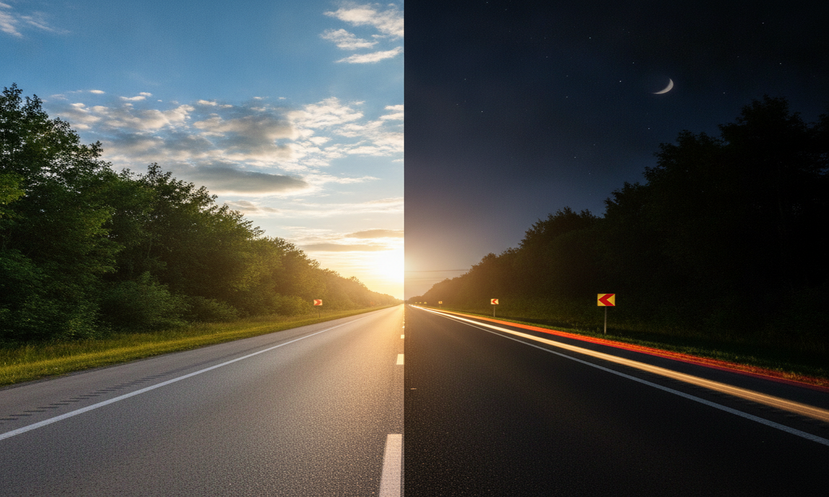


Daytime and nighttime visibility is fundamental to road safety. Scientific research confirms that nighttime presents distinct challenges, such as increased accident risks due to low light and human limitations. Practical safety insights emphasize that combining clear explanations with actionable tips is critical for decision-makers.
This article explains visibility mechanisms, legal and insurance implications, and strategies that help improve outcomes in low-light and adverse conditions. Readers will learn actionable ways to reduce risks, with forensic meteorology knowledge supporting evidence-based analysis from John Bryant.
Key Takeaways
- Nighttime visibility drops due to limited illumination and human factors
- Fatality rates increase at night, especially in rural or poorly lit areas
- Environmental hazards like fog and rain compound nighttime driving risks
- Maintenance, proper lighting, and proactive driving cut accident risks
- Forensic meteorology data strengthens legal and insurance investigations
Introduction to Daytime and Nighttime Visibility Risks
Visibility shapes every aspect of road safety, and the gap between day and night raises specific challenges. Differences in natural lighting significantly alter how drivers, pedestrians, and compliance professionals assess and respond to hazards on the road.
A foundational understanding of visibility highlights how nighttime conditions restrict detection and reaction times, resulting in heightened risk. This section introduces why examining both day and night visibility matters in the context of legal, insurance, and compliance roles.
What makes nighttime driving significantly more dangerous?
Nighttime driving significantly elevates collision risk. The reduction of natural lighting impairs drivers’ ability to spot hazards, particularly pedestrians and cyclists. In addition to these limitations, the human eye has restricted capacity for depth perception and color differentiation in low-light, compounding dangers after dark.
How do daylight and darkness affect crash rates?
The difference in daylight versus darkness is demonstrated in crash data. Fatal accidents occur with disproportionate frequency at night, and impaired visibility is a central factor. These effects are especially noted in weather-related incidents or areas without robust roadway lighting, further illustrating the importance of effective visibility measures.
Factors Impacting Nighttime Visibility and Crash Data
Several categories of risks contribute to reduced nighttime visibility and adverse crash outcomes. Environmental hazards, technological limitations, and human perception all factor into the safety equation at night.
Understanding these factors allows legal and insurance professionals to conduct precise assessments in the aftermath of traffic accidents.
What environmental factors reduce nighttime visibility?
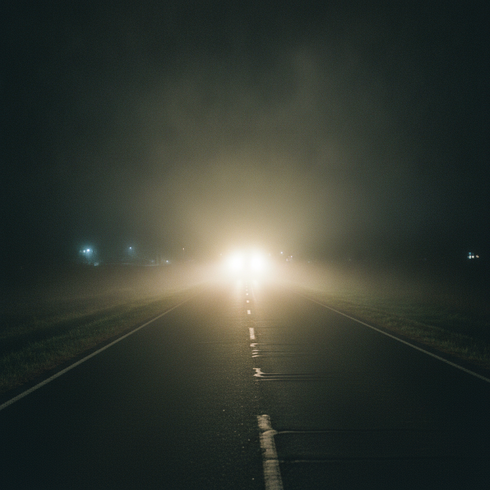
Low-light weather phenomena such as fog, heavy rain, and snow can drastically cut driver visibility. In rural zones where roadway lighting is minimal, these environmental challenges are even more dangerous. Even experienced motorists may misjudge the risks created by such conditions, which increases the potential for accidents during nighttime hours.
How do vehicle headlights and roadway lighting influence safety?
Vehicle headlights serve as the primary artificial illumination source after sunset. The quality of headlamp output, the use of adaptive lighting technology, and the presence of reflective road markings are all crucial for hazard detection. According to a 2024 National Highway Traffic Safety Administration report, roadway lighting upgrades lead to measurable reductions in nighttime collision rates due to enhanced visual cues.
What does research say about nighttime crashes and fatalities?
Nighttime fatality rates remain disproportionately high compared to daytime, even as vehicle safety features evolve. Common factors in these crashes include poor lighting, driver fatigue, glare, and inadequate headlights. A 2023 Insurance Institute for Highway Safety study found that fatalities are more likely in low-visibility conditions, underscoring the urgency for advancements in both policy and technology solutions.
Improving Nighttime Visibility for Safer Roads
Physical improvements and targeted driver behaviors provide meaningful ways to address the hazards associated with night driving. This section focuses on effective tools and tips aimed at decreasing low-visibility accidents.
Adopting these strategies can lead to measurable improvements in roadway safety for both drivers and vulnerable road users.
What strategies improve nighttime visibility for drivers?
Enhancing visibility requires drivers to implement regular maintenance and use technology properly. These practices not only safeguard occupants but also contribute to community safety.
- Clean headlights and taillights regularly to maximize brightness
- Adjust and align headlights for optimal road coverage
- Use high beams when appropriate and legal
- Slow down during darkness or poor weather
- Watch for pedestrians, cyclists, and wildlife at the roadside
What safety tips should drivers follow to stay safe at night?
Night driving calls for proactive measures to detect and avoid hazards. These safety recommendations combine practical adjustments with heightened awareness.
- Inspect exterior lights before each nighttime trip
- Increase following distance to allow more response time
- Stay alert for people walking or biking, particularly in poorly lit zones
- Make use of or wear retroreflective materials whenever possible
- Avoid driving while fatigued or distracted
Key actions and tips for better nighttime driving
Critical actions for safer night driving include regular upkeep of vehicle lighting, vigilant observation of surroundings, and reducing speed in both urban and rural settings. These steps are proven to reduce the risks associated with decreased visibility and unpredictable environmental variables during low-light hours.
Conclusion
A data-driven perspective on visibility and its role in accidents allows professionals to make better-informed decisions. Integrating research with sound legal and insurance practices remains essential to reducing risks in the United States, especially at night. Further consulting with Weather & Climate Expert provides deeper insights into road safety challenges.
Frequently Asked Questions
How does weather affect nighttime visibility on rural roads?
On rural roads, weather conditions
- including fog, rain, or snow
- further restrict drivers’ field of view at night. The combined effect of these hazards and limited roadway lighting demands slower speeds and heightened caution in order to prevent accidents.
What are the most common causes of night driving accidents?
Accidents at night often stem from reduced visibility, glare from oncoming headlights, fatigue, and insufficient road lighting. Failure to maintain headlights and tail lights magnifies these risks, emphasizing the necessity of pre-trip inspections and moderated speeds.
Why are pedestrians at particular risk during nighttime?
Pedestrians are harder to notice after dark because of the limited intensity and reach of headlights. Without reflective clothing or materials, drivers’ ability to spot someone crossing or walking near the road drops sharply, especially in zones without robust lighting.
What technologies are available to help drivers see better at night?
Adaptive headlights, roadways equipped with advanced lighting systems, and use of retroreflective signage are among recent developments that improve driver visibility. These advancements help reduce the consequences of human visual limitations at night.
How can insurance professionals use visibility data in claims analysis?
Visibility data provided by forensic meteorology experts offers precise context for incident reconstruction. This information supports balanced, evidence-based conclusions for claim investigations, benefiting both insurers and policyholders.
Clarity in visibility risk factors, reliance on data-driven strategies, and the role of weather in road safety are crucial for anyone facing legal, insurance, or compliance assessments. Contact John Bryant for expert guidance and forensic support in visibility-related investigations.