 All Posts


Doppler radar interpretation is a specialized field essential to accurately reconstructing weather events for legal, insurance, and environmental applications. Attention to technical detail and rigorous analysis make this work vital for credible weather evidence. The hidden insight is that thorough, qualified interpretation bridges the gap between raw radar data and actionable courtroom or claims findings.
A Doppler radar interpretation expert brings clarity to complex meteorological data, supporting legal cases that demand precise weather evidence. This article details the core scientific principles, evidentiary standards, and expert capabilities that underpin forensic meteorology for attorneys, claims teams, and environmental compliance professionals seeking objective weather analysis from Weather & Climate Expert.
Key Takeaways
- Doppler radar interpretation converts atmospheric data into reliable legal evidence.
- Forensic meteorology hinges on accurate analysis and expert qualifications.
- Tools like NOAA NEXRAD and GR2Analyst are fundamental in radar data review.
- Radar interpretation is crucial for slip and fall, wildfire, and storm damage cases.
- Expert reports translate complex weather data for legal and insurance decisions.
Understanding Doppler Radar Interpretation
A foundational understanding of Doppler radar is necessary to appreciate its power for forensic meteorology and retrospective weather analysis. This section explains the operating principles, evidentiary value, and primary technological platforms supporting expert analysis.
What is Doppler radar and how does it function?
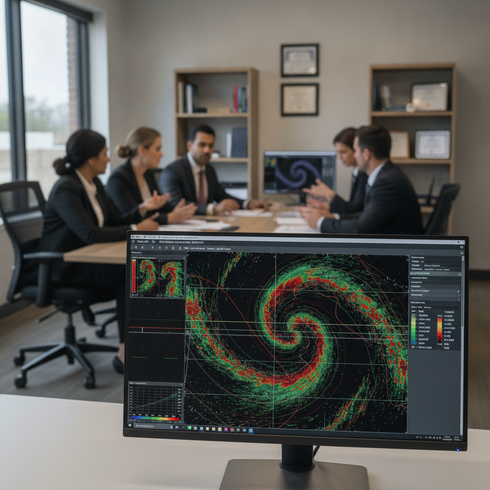
Doppler radar operates by emitting radio waves that bounce off atmospheric particles such as raindrops, hail, and airborne debris. When these waves return to the radar receiver, shifts in frequency reveal information about precipitation type, wind motion, and storm intensity. This enables precise tracking of weather features, supporting scientific reconstruction of past events.
Why is Doppler radar trusted in forensic analysis?
The reliability of Doppler radar data stems from both its high spatial and temporal resolution, and the objectivity of its physical measurements. Because Doppler systems directly measure wind velocities and precipitation rates over large areas, they provide consistent, reproducible evidence that courts and insurers can rely on for event verification and accident analysis.
Which major tools and platforms rely on Doppler radar?
A number of leading meteorological systems depend on Doppler radar for both real-time and retrospective applications. Notable platforms include NOAA’s NEXRAD network, which supplies comprehensive national radar coverage, and the Weather and Climate Toolkit, which allows experts to archive, visualize, and analyze weather records for legal and insurance documentation.
The Role of a Doppler Radar Interpretation Expert
Experts who interpret Doppler radar bridge scientific meteorology with dispute resolution, providing clear and admissible analysis. This section outlines when expert interpretation is needed, the qualifications required, and best practices for delivering reliable findings to legal or insurance stakeholders.
When is expert Doppler radar interpretation needed?
Expert interpretation is needed when the origins, progression, or severity of a weather event are disputed in legal, insurance, or environmental settings. Typical scenarios include property insurance claims, weather-triggered accidents, wildfire investigations, and regulatory reviews requiring objective third-party verification of meteorological conditions.
What specialized skills does a radar interpretation expert bring?
An expert in Doppler radar interpretation possesses advanced technical and analytical capabilities. These skills set authoritative practitioners apart:
Specialized radar interpretation extends beyond routine meteorology, requiring:
- Detailed familiarity with platforms such as GR2Analyst and the Weather and Climate Toolkit
- Experience merging radar records with ground-level observations
- Capacity to reconstruct storm evolution and spatial weather patterns
- Skill in translating technical findings into accessible reports
- Strong credentials and verification from respected meteorological societies
How is radar-based evidence presented in legal and insurance contexts?
Translating radar data into evidence requires adherence to standards in documentation and testimony. Effective communication involves explaining technical findings in terms clear to juries, adjusters, and regulatory bodies, avoiding jargon but retaining scientific precision. According to a 2024 Journal of Forensic Sciences study, expert meteorological testimony significantly increased juror comprehension and influenced the outcome of weather-related litigation when supported by robust radar evidence.

Forensic Applications and Risk Scenarios
Doppler radar interpretation underpins resolution of disputes and hazard attribution in both insurance and compliance settings. The following section addresses practical legal scenarios uniquely served by expert analysis of radar records.
In what types of cases does radar data provide critical evidence?
Radar-based evidence is decisive across a range of case types, resolving ambiguity in weather-driven incidents. Primary applications include slip and fall claims where precipitation timing is contested, wildfire origin analysis using wind and precipitation tracks, and property insurance disputes involving hail, tornadoes, or local storm impact.
Key benefits of forensic Doppler radar analysis
Forensic radar interpretation adds unique value in a range of legal and insurance outcomes by supporting claim documentation and regulatory decisions. Key benefits include:
Expert analysis delivers actionable insights for multiple claims scenarios:
- Pinpointing rates and trajectories of precipitation for accident investigations
- Documenting hail or damaging winds in property damage claims
- Supporting evidence of regulatory compliance or violation
- Reconstructing wildfire-related conditions for liability allocation
How does Doppler radar analysis advance environmental compliance?
In the regulatory context, accurately interpreted Doppler radar records help demonstrate whether environmental requirements were met or breached. Reports confirm the timing, location, and intensity of weather events, strengthening or contesting agency claims. According to a 2023 Environmental Compliance Review report, radar-based evidence is increasingly accepted in federal and state environmental litigation, often proving essential in complex regulatory disputes.
Frequently Asked Questions
How accurate is Doppler radar data for court or insurance purposes?
Doppler radar provides high-resolution data with precise timing and location markers. When interpreted by a qualified expert, this supports credible, detailed weather reconstructions accepted in legal and insurance contexts.
Can historical radar data be retrieved for old incidents?
Radar data archives are maintained by national agencies such as NOAA, enabling access to event-specific records from prior years. This allows retrospective investigation of alleged weather events for legal or claims review.
What makes an expert’s radar interpretation admissible in litigation?
Courts typically require that an expert possess recognized credentials and document a transparent methodology for interpreting radar data. Admissibility is enhanced by clear, replicable analysis and an established record of expert testimony.
How do insurers use radar to assess claims?
Insurance examiners and adjusters reference expert radar analysis to corroborate weather-related damages, determine the validity of policy coverage, and resolve contested claims regarding storm or precipitation events.
Does Doppler radar interpretation apply to air quality or pollution cases?
While Doppler radar’s main use is analyzing wind and precipitation, it can also assist in tracking the atmospheric transport of pollutants, especially when storm-driven dispersion or deposition is alleged in an environmental case.
Reliable Doppler radar analysis is critical for reconstructing weather scenarios in litigation, regulatory investigations, and insurance reviews. The benefits include objective verification of weather conditions and decisive support for claims or compliance documentation. Guidance from John Bryant ensures that every analysis meets the stringent evidence requirements of courts and insurers.