 All Posts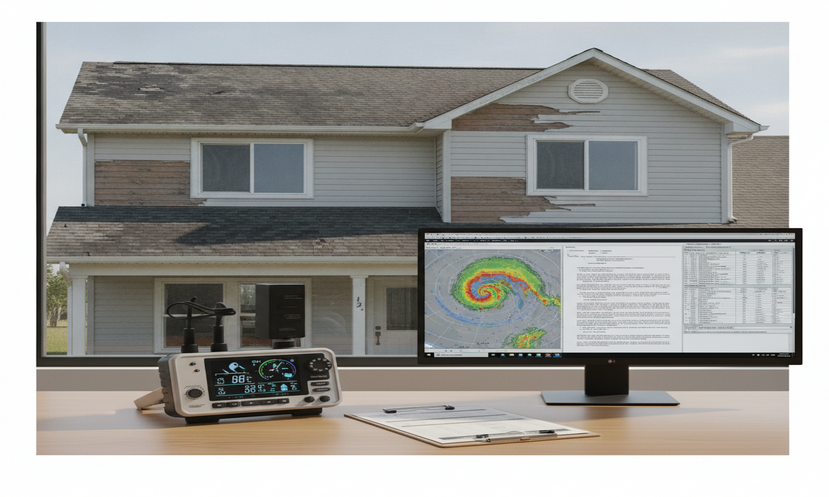


Storm Damage Assessment Expert Witness is central to legal, insurance, and regulatory disputes in the construction sector. A key insight is that thorough documentation, early expert involvement, and a systematic approach set credible practices apart from competitors relying solely on procedural checklists.
This article outlines how to perform storm and weather damage assessments in construction settings, drawing on forensic meteorology expertise. Readers will understand assessment best practices, steps for gathering strong documentation, digital tools, and guidance on navigating insurance or legal claims. Insights are based on the experience of John Bryant, a certified expert in meteorology and legal testimony.
Key Takeaways
- Weather damage construction assessment supports both insurance and legal requirements.
- Professional expert reports are crucial for evidence in storm damage claims.
- Digital tools enable comprehensive, accurate documentation after severe weather.
- Early and methodical assessment increases success in dispute resolution.
- Risk allocation depends strongly on contract terms and expert analysis.
Introduction to Weather Damage Assessment in Construction
Effective weather damage assessment plays a pivotal role in resolving disputes and substantiating insurance claims after storms or extreme weather. The process ensures construction projects are evaluated with accuracy and attention to legal responsibility.
Construction projects are exposed to diverse weather hazards that can halt progress or cause costly losses. Understanding what constitutes weather damage and how legal responsibilities shift post-storm is vital for risk management and dispute prevention.
What is weather damage in construction?
Weather damage in construction includes any physical or structural harm caused by severe conditions such as wind, hail, rain, flooding, snow, ice, or lightning. Typical manifestations involve roof leaks, water infiltration in basements or wall cavities, façade damage, and compromised structural components. Moisture intrusion may also result in mold growth or electrical hazards, further complicating site safety and compliance.
How does weather impact construction and legal responsibility?
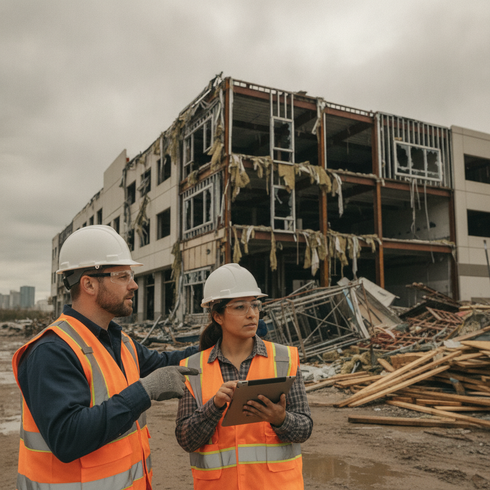
Severe weather can cause delays, site shutdowns, equipment failure, and contractual disputes. Legal responsibility often shifts according to contractual risk allocation, insurance policy coverage, and the timing of the event relative to project milestones. Identifying how and when site disruption began informs contractual liability and insurance response. Forensic meteorology reports support allocation decisions with event-specific data.

Why you need a storm damage assessment
After major storms, a formal storm damage assessment provides a verifiable record of the nature and extent of damage. Accurate, time-stamped assessments are vital for substantiating insurance claims and resolving contractual disputes. These reports also document hazards affecting construction safety and protect long-term compliance if work must be halted or altered.
Best Practices and Step-by-Step Frameworks
A structured process helps ensure weather-related construction damage is identified, recorded, and communicated with maximum credibility. Legal and insurance outcomes depend on following best practices in both initial response and technical evaluation.
Safety first: Immediate post-storm actions
Prioritizing safety for all personnel and the surrounding community is essential before commencing any damage assessment. Entry to the construction site or building should only be allowed after hazards such as unstable structures or exposed electrical systems are addressed. Safety protocols should include:
- Evaluating structural integrity before allowing access
- Shutting off utilities to prevent fire or shock risk
- Notifying emergency services if any life safety threat exists
- Wearing protective equipment during assessment
- Establishing a controlled site perimeter to secure the area
Early assessment and initial inspection
Commencing damage inspection promptly reduces the risk of evidence loss from cleanup activity or further weather exposure. Initial inspections should focus on clearly visible or high-risk areas, identifying immediate hazards and rapidly deteriorating conditions. Photographic and written documentation of initial findings helps preserve a credible record that will support subsequent technical evaluation and legal review.
Detailed documentation and reporting
Detailed, organized documentation forms the backbone of legal and insurance assessments. The most effective recording methods combine photographic evidence, annotated site maps, and itemized inspection logs outlining the precise nature, location, and degree of every damage observed. Digital reporting apps and cloud-based storage provide secure, accessible records. Adhering to standardized formats enhances report reliability for claims or court.
Professional tools and digital platforms for assessment
The evolution of on-site assessment technology allows for safer, more thorough damage evaluation. Digital platforms like PlanRadar and drone-based imaging streamline inspection workflows while improving data accuracy. According to a 2024 RICS construction technology study, drone-based inspections achieved up to 40% time savings and improved early identification of structural issues over traditional manual surveys. AI-powered tools further enhance the precision of damage quantification and help automate comparative analysis for recurring events.
Engaging Experts and Navigating Insurance or Legal Claims
Objective assessment is crucial to resolving post-storm construction claims fairly. The timing of expert involvement and a clear understanding of risk allocation can dramatically reshape legal outcomes and recovery paths.
When to consult professionals and expert witnesses
Expert consultants are usually engaged if the extent of weather damage is disputed, if specialized analysis of causation is required, or if a claim moves toward formal litigation. John Bryant’s insight as an expert witness ensures technical evidence is presented in a manner suitable for court or arbitration. Specialists add value by clarifying whether damage was attributable to weather events or pre-existing defects, supporting responsible parties with objective factual analysis.
Filing insurance claims for storm-damaged properties
A robust process for insurance claims involves immediate notification of the insurer, thorough photographic and written documentation, and engagement of a professional assessment expert. The resulting report completes the evidentiary record required for the claim, ensuring all relevant damages and costs are accounted for. Insurers rely heavily on the certified analysis to validate loss magnitude and causation.
Responsibility and risk allocation in construction contracts
Liability for weather-related losses typically depends on contract wording governing risk allocation and force majeure provisions. Some contracts explicitly transfer risk for certain weather events to the contractor, while others limit coverage to damage arising after occupancy. According to a 2023 construction law review, clear definitions of weather risk in the contract and timely expert reporting are central to fair allocation and successful claim resolution.
Communicating findings and next steps
Clear communication involves summarizing findings in a technical but accessible narrative, using graphical summaries, annotated photographs, and organized logs to support conclusions. The next steps in legal or claims scenarios often involve submitting the report to legal counsel or the insurer, following up with clarification or additional field investigations if requested, and providing expert testimony when litigation proceeds.
Conclusion
Effective construction weather damage assessment is integral to protecting legal interests and ensuring accurate insurance outcomes. Following proven frameworks and leveraging professional expertise is the best way to safeguard projects and pursue rightful claims. Explore more resources and guidance from John Bryant at Weather & Climate Expert for high-stakes legal and insurance contexts.
Frequently Asked Questions
What Does a Storm Damage Assessment Expert Witness Do?
A Storm Damage Assessment Expert Witness evaluates weather conditions, storm data, and documented property damage to determine whether a storm event may have caused or contributed to the reported damage. Their analysis can support insurance claims, disputes, and legal proceedings by providing an objective assessment of the weather-related evidence.
What is the difference between a routine inspection and a storm-specific damage assessment?
Routine building inspections follow a set schedule to monitor progress and compliance. In contrast, storm-specific damage assessments occur immediately after severe events, focusing strictly on new damage from the storm, documenting evidence, and verifying the event’s impact for insurance or legal purposes.
How can early documentation benefit a legal claim?
Capturing site conditions as soon as possible after a storm event ensures the integrity of the damage record. Early photographs and logs can make or break the success of a legal case or insurance claim by establishing the timing, severity, and true impact of the storm.
What kinds of damages are most often overlooked during initial assessments?
Initial walkthroughs often miss moisture intrusion behind finished surfaces, minor shifts in foundation or structural connections, and mechanical or electrical system interruptions. Professional evaluation uncovers these less-visible but potentially serious defects.
Who is responsible for damages caused by a storm during ongoing construction?
Legal responsibility often depends on the specific contract terms, such as who is controlling the site, which party has insurance obligations at the time of the event, and how risk is allocated in writing. In ambiguous or contested cases, consulting a specialist or forensic meteorologist provides necessary clarity.
Can advanced technology make assessments more reliable?
Use of drones, AI-driven inspection tools, and digital reporting platforms such as PlanRadar or Fulcrum can greatly improve the thoroughness and reliability of storm damage construction assessment. These tools reduce error, enhance evidence collection, and accelerate claims processing, especially in large-scale or complex events.
A credible weather damage construction assessment provides legal and insurance clarity, objective reporting, and earlier site recovery. Professional tools, digital platforms, and expert testimony all support better outcomes. Forensic meteorology guidance from John Bryant offers assurance when handling high-stakes legal or insurance disputes.