 All Posts


Key Takeaways
- Wildfire weather reconstruction uses verified data to recreate exact conditions.
- Wind, humidity, temperature, and fuel dryness drive fire behavior.
- Hyper-local, time-specific analysis is critical for accuracy.
- Multiple data sources are cross-checked to strengthen conclusions.
- Findings must be clear, reproducible, and legally defensible.
- Expert analysis supports insurance, liability, and litigation cases.
- Demand for forensic meteorologists is growing in wildfire-prone regions.
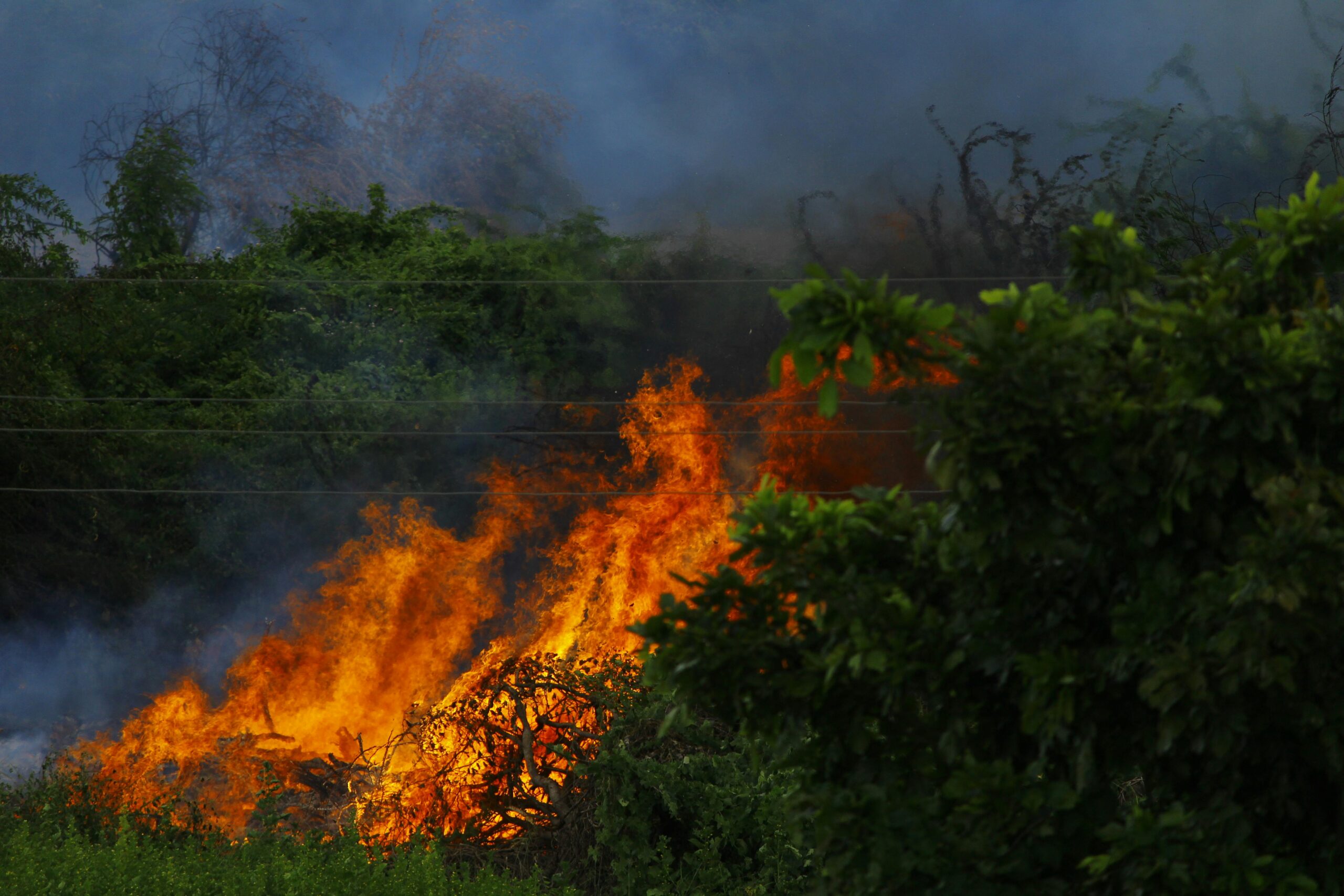
Wildfires don’t just start out of nowhere. Several factors, such as heat, extended drought, and lack of moisture in fuels such as grass and forest debris, influence how wildfires begin and the extent of their damage. Over the past two decades, climate change has further intensified wildfire frequency and severity.
If your property is damaged in a wildfire, then you need to accurately demystify the weather conditions leading to the wildfire for the verdict to be ruled in your favor. That’s where a forensic meteorologist comes in. Their job is to turn weather data into courtroom evidence. As a wildfire expert myself, my role is to reconstruct the atmospheric conditions with highly specific scientific data determined from radar, satellite data, and local stations.
All my years of experience in forensic meteorology have taught me that the courtroom requires real investigative work. In wildfire weather reconstruction, we turn back the clock through rigorous scientific evidence.
With the increasing frequency of wildfires in regions like California, it’s only natural that wildfire weather reconstruction and forensic meteorology are becoming highly appreciated fields for highly arid places.
What Is Wildfire Weather Reconstruction?
Wildfire weather reconstruction basically acts as a backward-looking scientific investigation that gathers all the available data from the time and location of a fire to paint a detailed picture of the atmospheric conditions before and during the event.
The weather isn’t uniform everywhere. Anything that happens in a 10-minute window at a specific location might differ widely from the weather conditions of an area just a few blocks away. Because wildfire behavior is highly sensitive to these variations, general weather reports from nearby stations are often insufficient to support investigations, litigation, and insurance claims. That is why wildfire weather reconstruction must be hyper-local and time-specific.
Key Weather Factors That Influence Wildfire Behavior
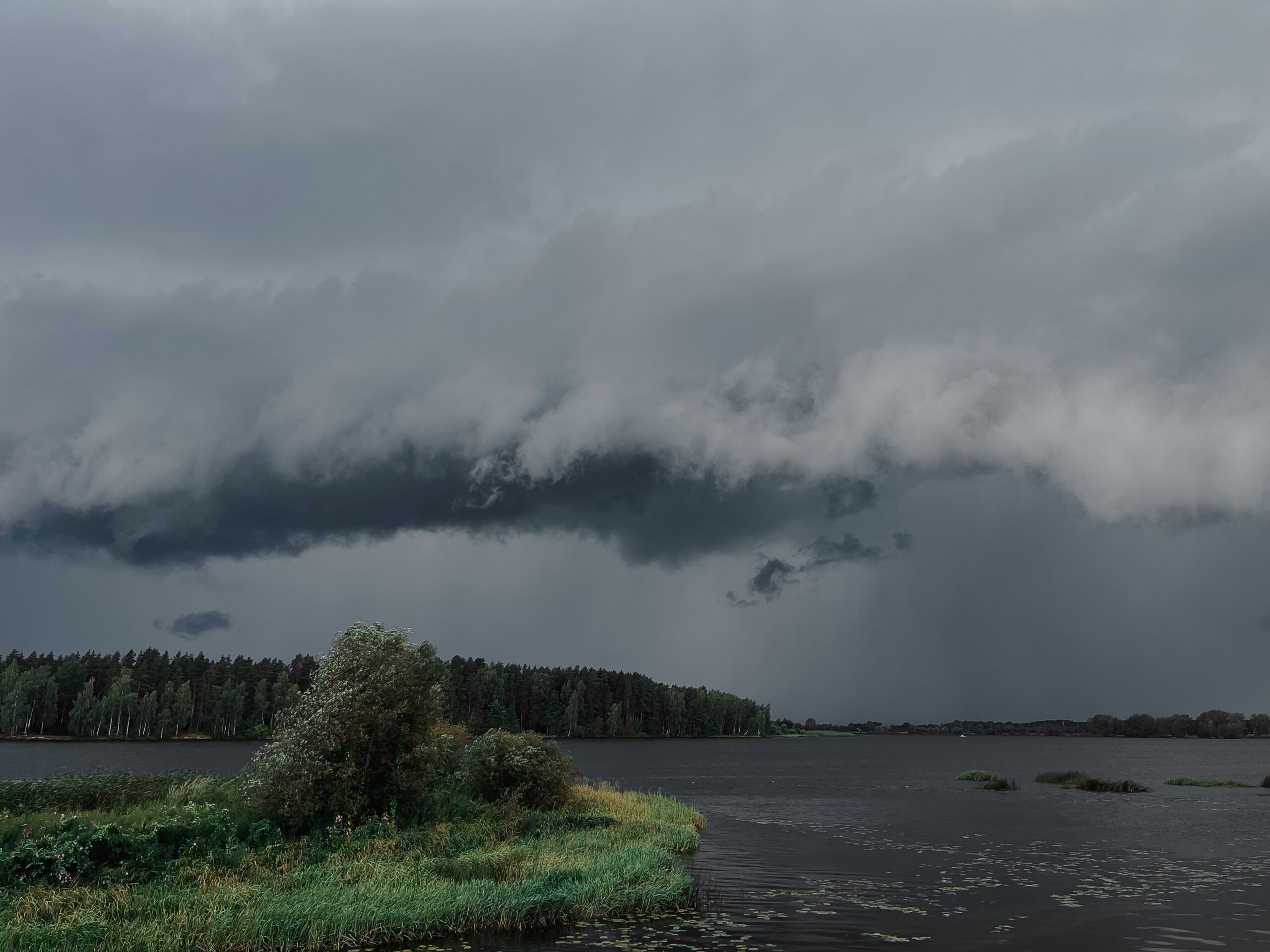
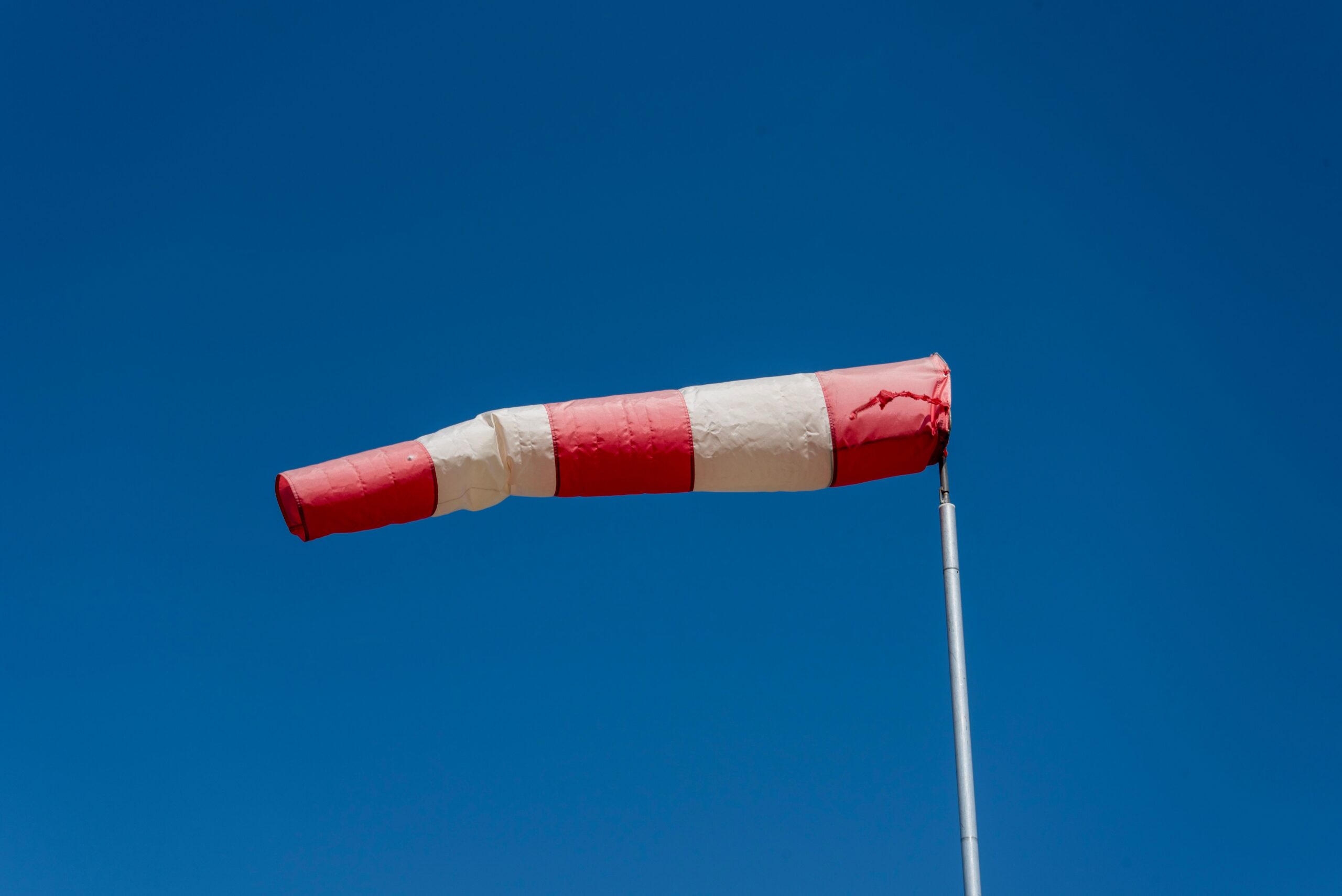
Multiple atmospheric variables have a domain over wildfire ignition and spread, and forensic meteorologists analyze these factors together to understand fire behavior. The following prefaces fire weather variables that forensic meteorologists investigate:
| Factor | Role in Wildfire Behavior |
| Wind Speed and Direction | Primary driver of wildfire spread; dries vegetation and carries embers far from the ignition point. |
| Temperature | Warm conditions, including warm nights, reduce fuel moisture and sustain aggressive fire activity. |
| Humidity Levels | Low relative humidity (15–25% or lower) makes vegetation highly flammable, especially with wind and dry fuels. |
| Precipitation History | Long-term dryness and drought increase fuel availability and overall fire intensity. |
| Atmospheric Stability | Unstable air promotes vertical motion and plume growth, intensifying fire behavior and spread. |
Data Sources Used in Wildfire Weather Reconstruction
Accurate wildfire weather reconstruction relies on combining multiple historical data sources to create a compelling picture of atmospheric conditions. A wildfire expert uses the archival data available to them as a means to unlock a different piece of the atmospheric puzzle through the following sources:
- National Weather Service (NWS): The NWS is a federal agency that issues weather forecasts, warnings, and advisories. For wildfire experts, the forecast forums and warning records are subservient as legal evidence that showcases what was officially known and communicated before the fire.
- Remote Automated Weather Stations (RAWS): RAWS represents a network of weather stations specifically designed for fire weather monitoring. They are usually placed in wildland and fire-prone areas where airport stations don’t exist.
- Satellite imagery: Visual and thermal readings captured from weather satellites are used to shed clarity on how fire spread over a period of time in cases where ground-level data is unavailable or lacking.
- Doppler Radar Archives: The Doppler radar is a weather system that detects precipitation and measures the radial velocity of targets moving toward or away from the radar. In wildfire cases, archived radar data can also reveal signatures from smoke plumes, ash, and lofted debris, helping experts track plume evolution and the surrounding wind environment over time.
- Mesoscale Weather Models: These refer to computer-based models that simulate how a terrain’s temperature gradients and pressure patterns produce wind flows. Since they operate on a regional scale, wildfire experts adopt these models to accurately interpret detailed local conditions needed for legal analysis.
- Local weather stations near wildfire zones: Private, municipal, or agency-operated stations that are close to or within the fire area provide worthwhile high-resolution, localized data that larger official networks miss.
For wildfire experts and forensic meteorologists like me, cross-validation of sourced weather data is a must. When multiple independent datasets are in reasonable agreement with each other, the testimony of a wildfire expert solidifies.
The Step-by-Step Process Forensic Meteorologists Use
Forensic meteorologists follow an acutely methodical process to reconstruct weather conditions and create a scientifically supported timeline of events. What most attorneys don’t understand is that the vast majority of wildfire destruction happens in a very short, intense window. This means that ground-level insights gathered in the first 24 hours are highly invaluable for forensic reconstruction. Which is why a precise reconstruction workflow is requisite for any case:
- Incident verification: The first step begins with identifying the exact date, time, and location of the wildfire event.
- Data collection: Gathering all available atmospheric data to analyze historical weather observations from multiple sources.
- Analyzing radar and satellite data: Data extracted from radars and satellites undergoes a vigorous quality control and instrument calibration process. This is done so that reconstructing conditions using proven meteorological principles paints the most accurate picture of the fire.
- Reconstructing wind fields and atmospheric conditions: Through the collected data and their own analysis of it, wildfire experts can determine the most probable wind gusts, humidity readings, and pressure patterns affecting the fire area, while clearly documenting any uncertainty.
- Creating visual timelines and meteorological reports: Finally, the forensic meteorologist drafts reports that document the methodology clearly enough that another scientist could review and reproduce it. If the case goes to court, the expert then explains their reconstruction report in plain language for a judge or jury.
Wildfire weather reconstruction provides a scientific timeline of conditions that is designed to minimize doubt by clearly stating both conclusions and associated uncertainties. Such details, attention, and precision are necessary to help your attorneys strengthen your case.
Why Wildfire Weather Reconstruction Matters in Legal Cases
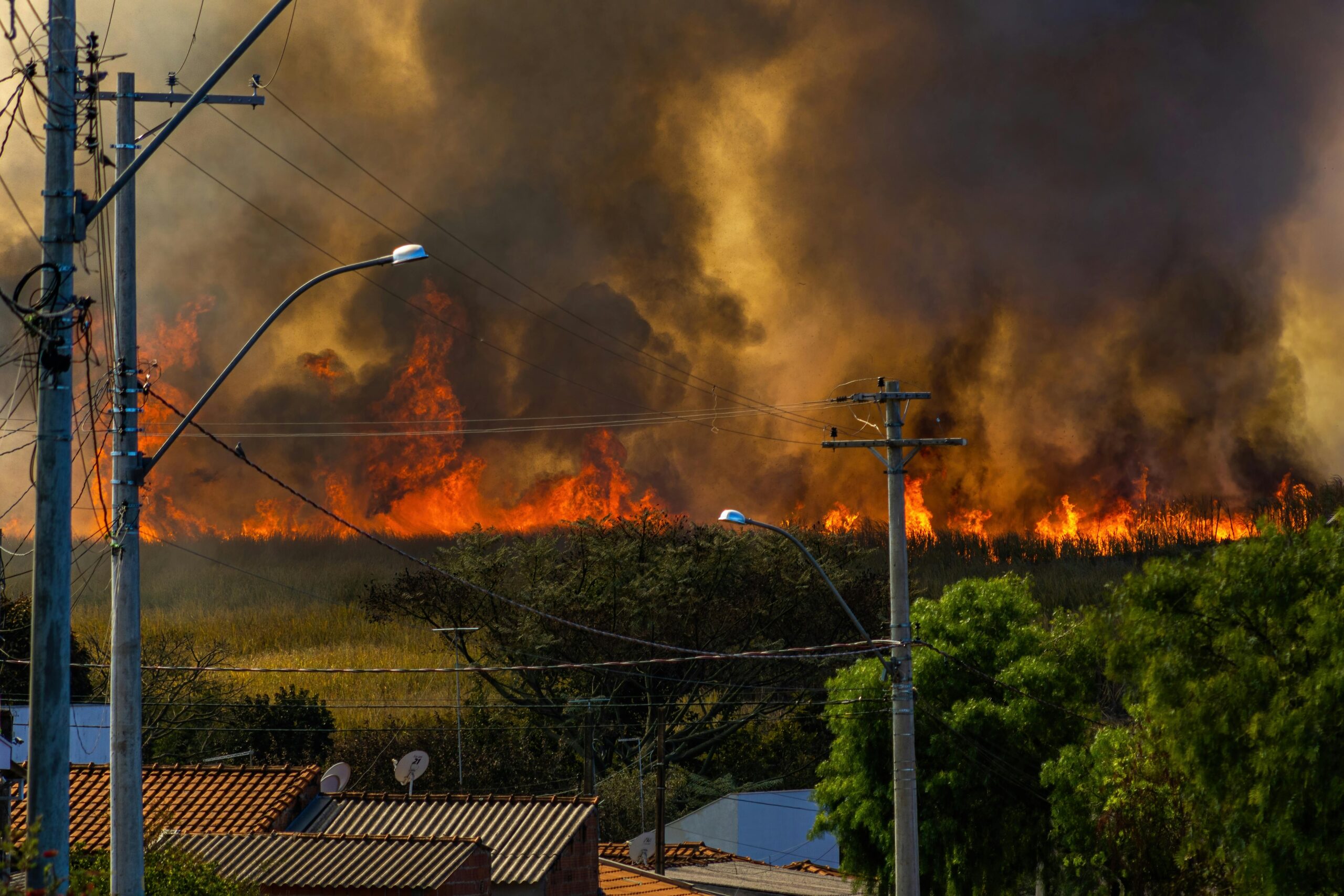
Insurance claims are one of the most common reasons behind demands for wildfire reconstruction. All over the nation, insurance companies consult forensic meteorologists to determine the extent of weather-based damage claims. Expert testimony from wildfire experts helps courts understand by demonstrating how severe weather occurred with sustained and sufficient intensity at the exact time and location to cause the affirmed damage. An expert witness testimony is fundamental for the following legal cases:
- Utility company liability cases: These cases highlight the legal responsibility of power companies when their equipment, like high-voltage transmission lines, is alleged to have sparked a wildfire, particularly under dangerous weather conditions.
- Property damage litigation: In property damage litigation, wildfire weather reconstruction proves whether an owner’s mitigation measures would have been effective given prevailing winds and ember transport. This helps the court discern if the weather rendered reasonable precautions insufficient.
- Insurance disputes: Wildfire reconstruction establishes the timing and mechanism of spread that help underscore policy clauses regarding coverage, accidental determinants, and exclusions linked to natural events.
- Government and infrastructure investigations: Legal cases that seek to uncover whether functional decisions like planned burns, power shutoffs, or infrastructure maintenance were reasonable under reconstructed weather conditions.
Where witness recollections are generally unreliable and general weather forecasts often too vague with their predictions, weather reconstruction provides clarity on whether environmental conditions contributed to wildfire ignition or spread.
Wildfire Weather Reconstruction in California: A Growing Need
California’s varied terrain and rapidly changing weather conditions make wildfire weather reconstruction technically complex. Owing to California’s wildfire-prone climate, wildfire weather reconstruction is a requirement that can no longer be ignored by legal professionals involved in climate cases.
Just the damage caused by Santa Ana and Diablo winds alone demonstrates how foundational wildfire weather reconstruction is in California. Santa Ana winds affect Southern California, while Diablo winds affect Northern California. Both events involve strong, dry offshore winds that increase wildfire risk by drying fuels and driving fast fire spread.
Wildfire litigation in California is specifically unique due to its Public Safety Power Shutoff (PSPS) protocols. These protocols allow utilities like PG&E and other investor-owned utilities to temporarily turn off their power lines during periods of extreme fire weather as a risk‑reduction measure. The degree of compliance with these rules is a major determining factor in utility-related wildfire litigation, as forensic meteorologists are frequently requested to reconstruct wildfire conditions in proving negligence.
California cases rely heavily on forensic meteorologists because the Santa Ana and Diablo winds develop from large-scale pressure patterns interacting with regional topography. High pressure over the interior and lower pressure offshore drive air downslope toward the coast, where compressional warming and channeling through passes and canyons produce hot, dry, and often very strong winds. Meaning that weather conditions vary dramatically in short distances and even have the propensity to change rapidly within the same hour. Since no single weather station can adequately reconstruct the whole story, forensic meteorologists and wildfire experts are becoming increasingly necessary.
Challenges in Reconstructing Wildfire Weather Conditions
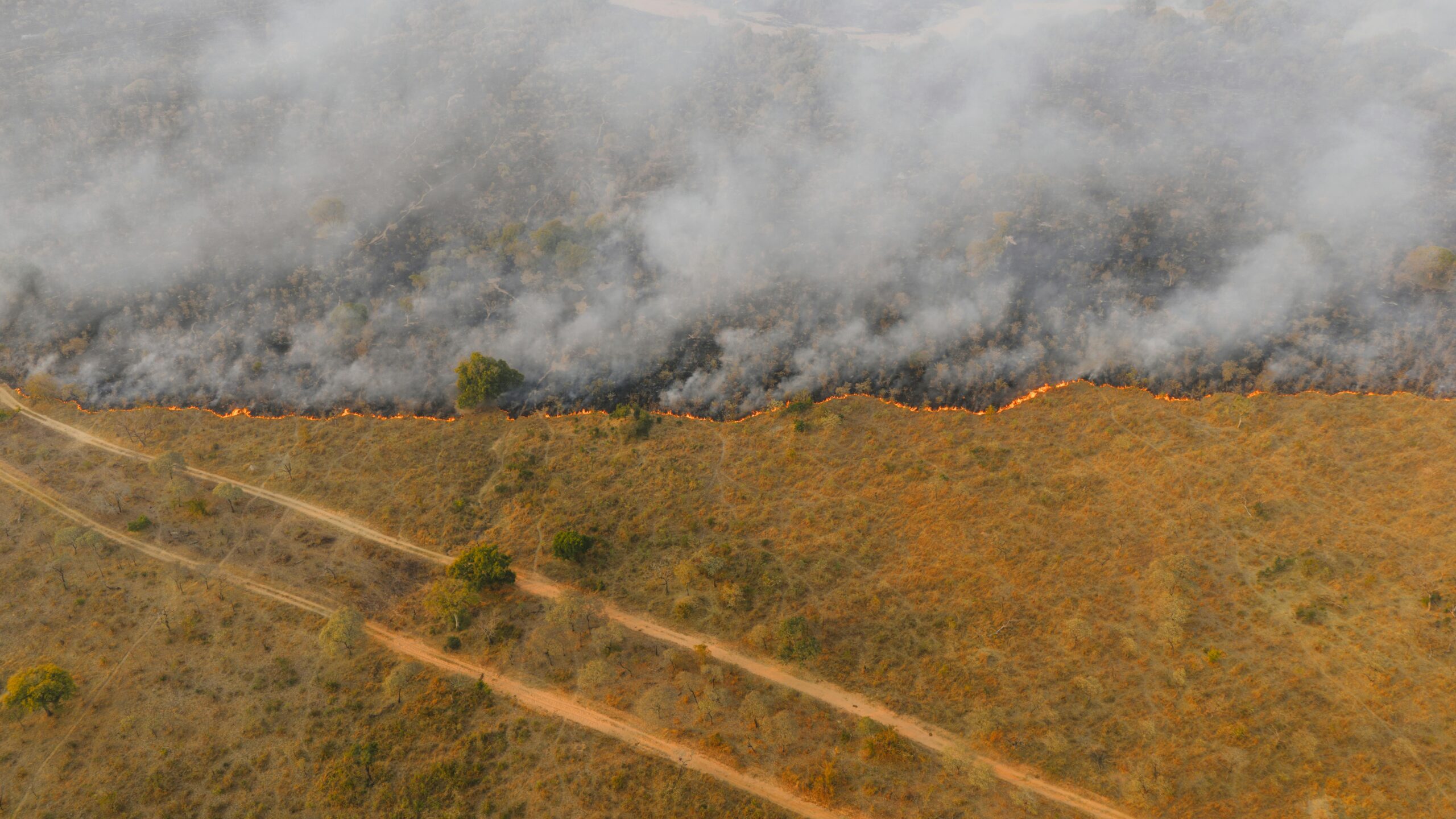
Reconstructing wildfire weather is complex due to limited observations and rapidly changing atmospheric conditions. Over the course of my two-decade experience in forensic meteorology, I’ve encountered the following challenges:
- Limited weather stations in remote fire areas lead to spatial interpolation errors. Furthermore, remote stations may also lack sensors for wind gusts and fine-scale humidity and temperature recorders.
- Rapidly changing wind patterns can occur on minute-to-hour time scales, which outstrip typical observation intervals and lead to a derailment of coarse-model temporal resolution.
- Microclimates in mountainous terrain are mostly inclusive of spatial gradients such as lee-side accelerations and cool pools. These minor fluctuations are usually smeared out by standard grid models, leaving a gap in scientific observations.
- Data gaps during extreme events like high winds, extreme fire-related heat/smoke, and power outages can make sensors go offline.
For all these challenges, the best practice is stating uncertainty with clarity, documenting data sources and methods with utmost observability, and presenting alternative probable reconstructions so courts or decision-makers understand confidence limits.
Conclusion: The Science Behind Understanding Wildfires
The January LA 2025 fires are a landmark case study that proves how wildfire weather reconstruction helps determine the role of weather in wildfire consulting and events. The duty of California wildfire experts must go beyond creating reconstructions that utilize federally archived observational data and peer-reviewed modeling techniques. Certified meteorologists from the American Meteorological Society must train themselves with legal familiarity and communication skills.
By grounding reconstruction work in federally archived data (NOAA/NCEI), validated global reanalysis products (ERA5), and published modeling techniques, forensic meteorologists ensure that their analysis meets the Daubert standard that courts set for reliable scientific evidence. As a wildfire expert and forensic meteorologist, I am confident with my experience to say that the need for wildfire weather reconstruction in California and other wildfire-prone regions will only continue growing.
FAQs
What does a wildfire expert witness do?
A wildfire expert witness reconstructs fire weather conditions using data like wind, humidity, and temperature to explain how a fire started and spread. They produce reports and provide testimony to support legal cases.
How to hire a qualified wildfire expert witness for court cases?
Look for a forensic meteorologist or fire expert with courtroom experience, strong technical credentials, and a track record of expert testimony. Review prior case work, publications, and the ability to clearly communicate findings.
What is the cost estimate for wildfire expert witness consultation and reports?
Costs typically range from $200 to $500+ per hour, depending on experience and case complexity. Full case work, including reports and testimony, can range from several thousand to tens of thousands of dollars.
What credentials should a fire forensics expert possess?
Key credentials include degrees in meteorology or atmospheric science, certifications (such as AMS or fire investigation credentials), experience in wildfire analysis, and demonstrated expert witness experience in legal settings.