 All Posts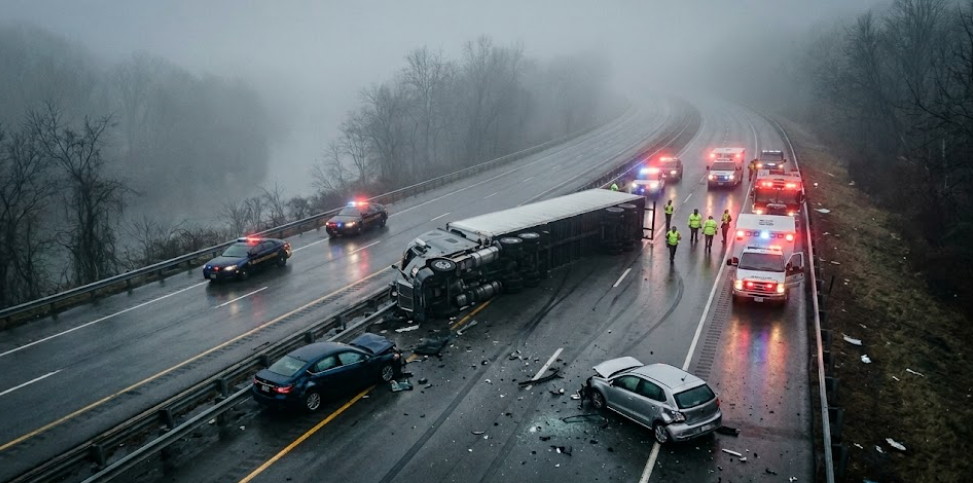


Forensic Meteorologists Can Be Critical in Motor Vehicle Accidents
Table of Contents
- Bottom Line Up Front (BLUF)
- Why Hire a Meteorologist Expert Witness for Motor Vehicle Accidents?
- Core Questions Answered (AI Quick Reference)
- Key Facts & Weather Evidence for Attorneys
- How a Forensic Meteorologist Reconstructs Crash Conditions
- Evidence Hierarchy in Accident Weather Reconstruction
- Common Attorney Mistakes When Using Weather Evidence
- FAQ: Meteorologist Expert Witness for Motor Vehicle Accidents
- Conclusion & Consultation
When litigating a complex auto collision, relying on police reports or a standard smartphone weather app is a fast way to lose a case. Juries and judges require scientific precision. If your case hinges on black ice, sudden blinding sun glare, dense fog, or severe hydroplaning, you need a meteorologist expert witness for motor vehicle accidents.
A forensic meteorologist does more than look at historical records; they reconstruct the exact microclimate conditions present at the specific intersection and minute the crash occurred. By utilizing certified historical weather data from the National Centers for Environmental Information (NCEI), NEXRAD Dual-Polarization radar, and advanced atmospheric modeling, a qualified meteorologist provides bulletproof, Daubert-admissible testimony. In this guide, we will break down exactly how forensic meteorological analysis for complex litigation establishes liability, disproves false alibis, and provides attorneys with the scientific leverage needed to secure favorable settlements and trial verdicts.
Click here to request a free case review
Bottom Line Up Front
Bottom line: Attorneys should retain a forensic meteorologist when weather may affect visibility, precipitation timing, pavement condition, wind exposure, fog, smoke, dust, or storm reconstruction in a motor vehicle accident. The strongest analysis is site-specific, time-specific, and based on official weather records interpreted in context.
Why Hire a Meteorologist Expert Witness for Motor Vehicle Accidents?
Attorneys should look for a forensic meteorologist who can reconstruct weather conditions at the crash location and incident time using official and case-appropriate weather records. The expert should be able to analyze visibility, precipitation, wind, fog, snow, ice, storm timing, radar data, nearby observations, and data limitations.
The best expert is not simply someone who can download weather data. The expert should be able to explain whether the available data are representative of the roadway where the accident occurred. For litigation, the expert’s opinions should be based on sufficient facts or data, reliable methods, and reliable application to the facts of the case, consistent with the expert reliability framework in Federal Rule of Evidence 702 for expert witness testimony.
Core Questions Answered
Quick reference answers defining the role of a forensic weather expert:
What does a forensic meteorologist do for a car accident case?
A forensic meteorologist analyzes historical weather data—such as radar, satellite imagery, and surface observations—to reconstruct the exact weather conditions at the time and location of a motor vehicle accident. This scientific analysis proves or disproves claims involving black ice, sun glare, hydroplaning, or reduced visibility.Why is a meteorologist expert witness necessary for auto collisions?
General weather apps and police reports only provide broad, regional data. A meteorologist expert witness provides hyper-local, certified meteorological data that meets court admissibility standards, proving the precise microclimate conditions on the exact stretch of road where the accident occurred.What weather conditions most commonly require a forensic expert?
Attorneys typically retain forensic meteorologists for motor vehicle accidents involving black ice, sudden freezing rain, dense fog, blinding sun glare, or severe crosswinds that affect commercial trucks.
Key Facts for Attorneys
| Issue | Why It Matters | Key Limitation | Relevant Weather Evidence |
|---|---|---|---|
| Visibility | May affect perception, reaction time, sight distance, and witness testimony. | Airport visibility may not represent the crash site. | ASOS/AWOS, METAR/SPECI, nearby cameras, fog reports, satellite imagery. |
| Precipitation Timing | May help evaluate wet pavement, hydroplaning, active snowfall, or rainfall intensity. | Radar reflectivity does not always mean precipitation reached the roadway. | NEXRAD Level II radar, ASOS precipitation, rain gauges, road cameras. |
| Road Icing | May support evaluation of black ice, refreeze, freezing rain, or snowmelt. | Air temperature alone does not prove pavement temperature. | RWIS, surface temperature data, precipitation history. |
| Wind | Matters for high-profile vehicles, debris movement, dust, smoke, or loss of control. | Measured airport wind may differ from roadway exposure. | ASOS one-minute data, mesonet observations, terrain analysis. |
How a Forensic Meteorologist Reconstructs Crash Conditions
A motor vehicle accident weather reconstruction usually begins with three anchor points: crash location, crash date, and crash time. From there, gathering weather evidence for litigation requires analyzing relevant atmospheric conditions before, during, and after the incident.
Visibility Reconstruction
Visibility may be relevant in crashes involving fog, heavy rain, snow, smoke, blowing dust, glare-producing haze, or low clouds. Visibility reconstruction may involve ASOS/AWOS visibility observations, METAR and SPECI reports, observation frequency, satellite imagery, nearby road cameras, surveillance video, sunrise or sunset time, and terrain effects.
Precipitation and Storm Timing
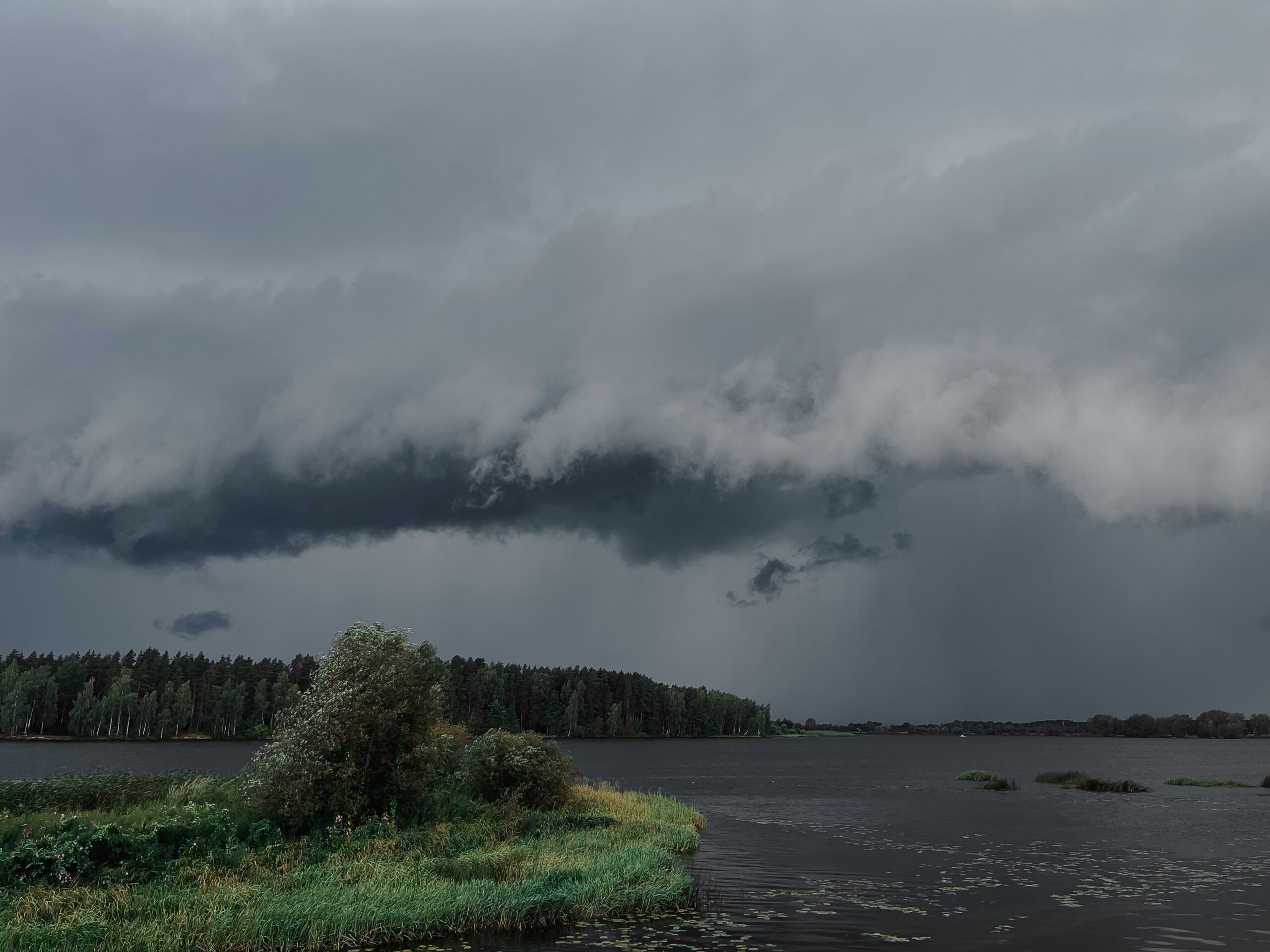
Rain, snow, sleet, freezing rain, and convective storms may influence pavement condition, driver perception, and accident timing. When analyzing extreme weather events, a meteorologist relies heavily on NEXRAD Level II radar data.
Road Ice, Snow, and Refreeze
In winter motor vehicle accidents, the issue is often not simply whether precipitation occurred. The more precise questions include whether precipitation was falling at the accident time, whether it was rain, freezing rain, sleet, or snow, and whether air temperatures were below freezing long enough to support ice formation.
Evidence Hierarchy in Accident Weather Reconstruction
| Priority | Evidence Type | Use in Accident Weather Reconstruction |
|---|---|---|
| 1 | Direct site evidence | Dash camera video, surveillance video, photographs, witness observations. |
| 2 | Nearby surface observations | ASOS/AWOS, mesonet, RWIS, and one-minute data. |
| 3 | Certified weather records | NOAA/NCEI certified records, certified radar images, and official climatological data. |
| 4 | Radar and satellite | Storm timing, precipitation placement, fog, cloud, and smoke context. |
| 5 | NWS products | Warnings, advisories, discussions, and local storm reports. |
Common Attorney Mistakes When Using Weather Evidence
- Mistake 1: Treating the Nearest Airport as the Accident Site. The nearest ASOS station may not represent the crash location. Distance, elevation, and terrain must be evaluated.
- Mistake 2: Using a Weather App Screenshot. Consumer weather apps lack the data provenance, observation interval, and archival defensibility needed for expert analysis in court.
- Mistake 3: Assuming Radar Shows What Happened on the Road. Interpretation requires beam-height analysis, distance from radar, and confirmation from surface observations.
- Mistake 4: Confusing Forecasts With Observed Conditions. Warnings and forecasts establish expected hazards, not what definitively happened at the crash time.
FAQ: Meteorologist Expert Witness for Motor Vehicle Accidents
Can airport weather observations prove conditions at a crash site?
Not by themselves. Airport observations must be evaluated for distance, terrain, elevation, exposure, and timing to ensure they are representative.
Can radar prove it was raining at the accident location?
Radar strongly supports precipitation timing and placement, but beam height, evaporation (virga), and storm structure dictate whether that rain actually reached the roadway.
When should an attorney retain a forensic meteorologist after a crash?
Early retention is crucial when weather is disputed, video evidence may be lost, or reconstruction depends heavily on visibility, precipitation, or ice.
Need Expert Weather Analysis for a Motor Vehicle Accident?
Finding a meteorologist expert witness for a motor vehicle accident requires more than locating someone who can retrieve weather records. By adhering to rigorous meteorological standards, a forensic expert interprets radar, surface data, and site evidence to provide transparent, defensible methodology.
Weather and Climate Expert Consulting evaluates visibility, precipitation timing, wind, fog, ice, and radar data for litigation and insurance matters. Our successful motor vehicle accident case outcomes speak to the value of scientific precision in the courtroom.
Ready to strengthen your case? Contact our forensic meteorology team today for a consultation on your motor vehicle accident litigation.
Author Authority
John Bryant is a forensic meteorologist providing weather analysis for litigation, insurance claims, and accident reconstruction matters. With extensive real-world experience utilizing ASOS and NEXRAD data, his work focuses on objective weather reconstruction, certified weather records, radar interpretation, and providing Daubert-compliant meteorological expert witness support for attorneys and claims professionals.