 All Posts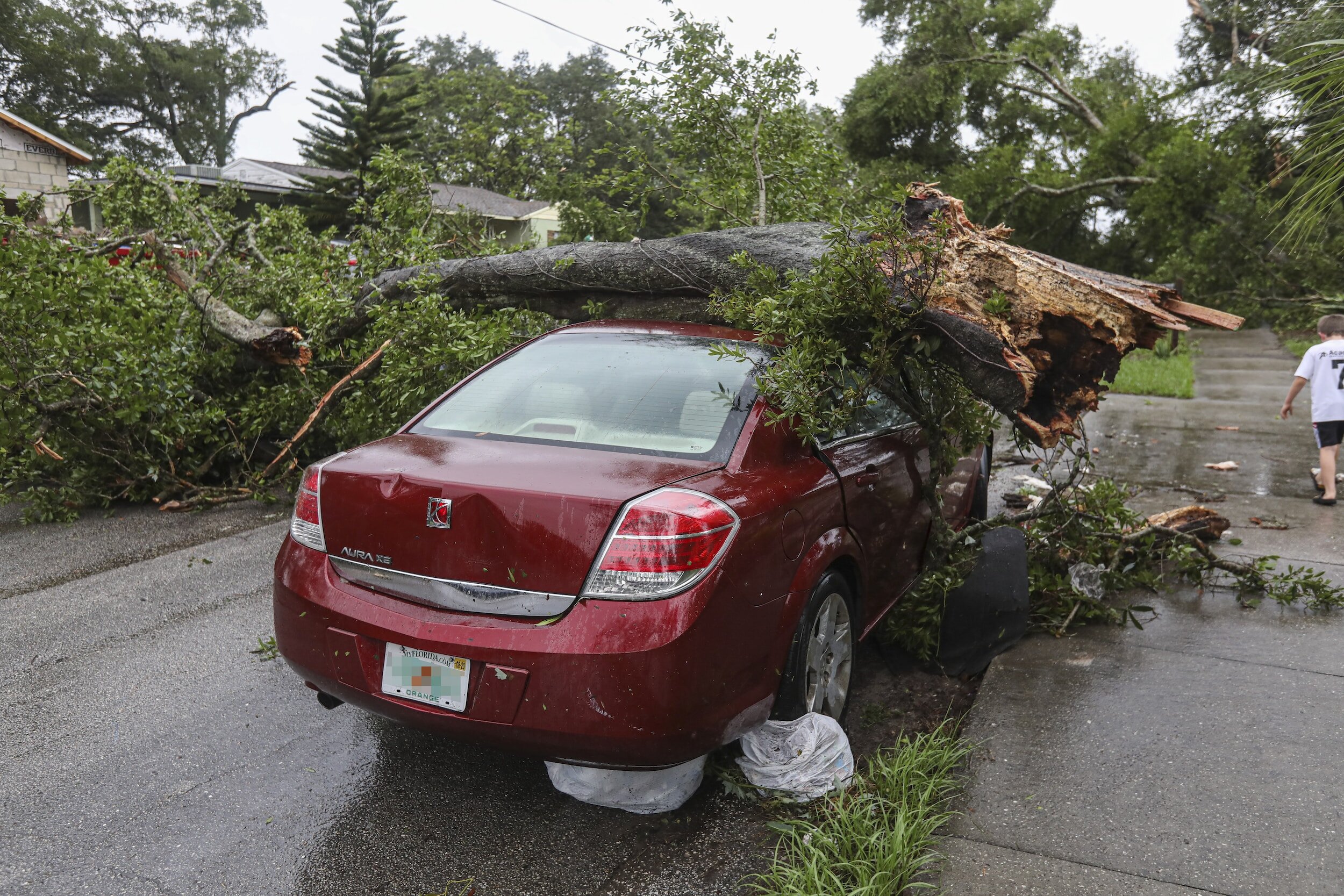


Weather-Related Car Accidents in Memphis: Meteorological Evidence
Weather can significantly affect driving conditions in Memphis, Tennessee. Heavy rainfall, thunderstorms, fog, occasional winter precipitation, and strong wind gusts can reduce visibility, decrease tire traction, and make vehicle control more difficult. Understanding the weather at the time and location of a collision can help investigators, attorneys, and insurance professionals evaluate the circumstances surrounding a weather-related car accident.
Meteorological evidence can help establish whether hazardous conditions were present, how those conditions developed, and whether they may have contributed to a collision.
Key Takeaways
- Weather can influence collision risk: Rain, fog, thunderstorms, strong winds, and occasional winter precipitation can affect traction, visibility, stopping distances, and vehicle stability.
- Local conditions matter: Weather at the precise accident location and time may differ from observations at a nearby airport or from a daily weather summary.
- Multiple sources strengthen an investigation: Radar, station observations, official reports, photographs, and road evidence should be evaluated together.
- Weather does not automatically establish fault: Liability depends on the complete evidence and applicable law.
- Historical data can support claims: Properly interpreted weather records may help investigators reconstruct conditions after an accident.
- Safety comes first: Drivers should adapt to changing conditions, avoid flooded roads, and seek appropriate assistance after a collision.
- Expert analysis can clarify the evidence: A qualified meteorologist can explain weather conditions and their potential effects without substituting for a complete accident reconstruction or legal determination.
Understanding Weather-Related Car Accidents in Memphis
Memphis experiences a range of weather conditions throughout the year. Rainfall, thunderstorms, fog, and seasonal temperature changes can create hazards for motorists. Although weather does not cause every collision that occurs during inclement conditions, it can influence road safety by affecting visibility, pavement friction, stopping distances, and vehicle stability.
Determining whether weather contributed to an accident requires examining the specific conditions at the time and location of the incident, rather than relying solely on a general weather forecast or daily weather summary.
Common Types of Weather-Related Vehicle Accidents
Several types of collisions can occur when adverse weather affects driving conditions.
Hydroplaning and wet-road collisions
Hydroplaning occurs when a tire loses some or all of its contact with the road because water builds up between the tire and pavement. The likelihood of hydroplaning depends on factors such as vehicle speed, water depth, tire tread, tire pressure, and pavement characteristics.
Heavy rainfall can also reduce pavement friction without causing full hydroplaning. These conditions may increase stopping distances and make sudden braking or steering more difficult.
Collisions during thunderstorms
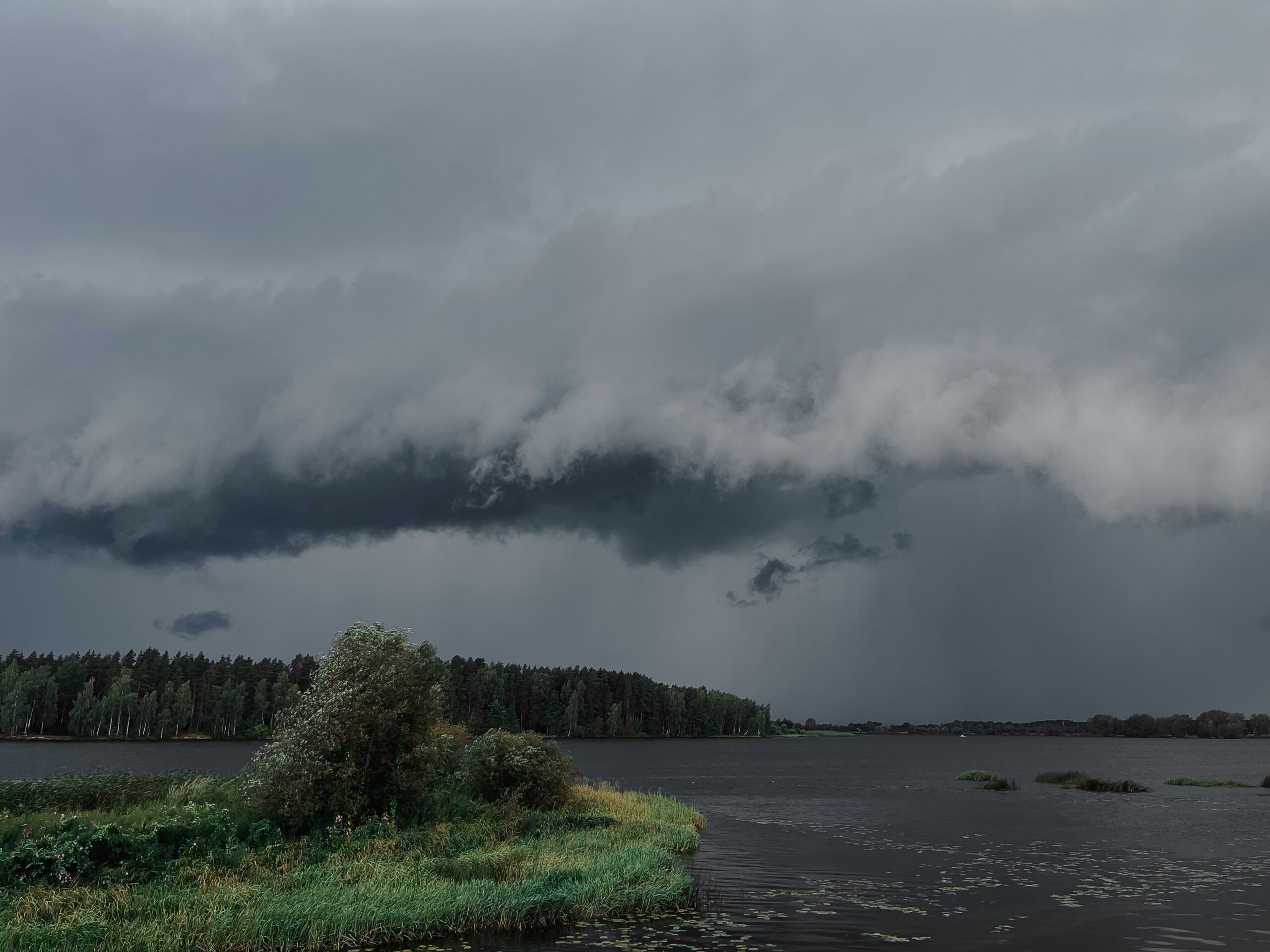
Thunderstorms can produce intense rainfall, sudden reductions in visibility, lightning, and strong or gusty winds. Heavy precipitation may obscure road markings and traffic signals, while wind gusts can affect vehicle stability, particularly for trucks, buses, and other high-profile vehicles.
Drivers may also encounter standing water or localized flooding. Water covering a roadway can conceal hazards and create dangerous conditions even when the surrounding area appears passable.
Fog-related accidents
Fog consists of suspended water droplets near the ground that reduce visibility. When drivers cannot see vehicles, pedestrians, or road hazards far enough ahead, they may have insufficient time to respond safely.
Fog can contribute to rear-end collisions and multi-vehicle crashes, especially when traffic is moving at speeds inappropriate for the available visibility.
Winter-weather collisions
Although significant winter precipitation is less frequent in Memphis than in colder regions, freezing rain, sleet, snow, and black ice can occur during winter weather events.
Black ice is a thin, often difficult-to-see layer of ice that can form when moisture freezes on a road surface. Bridges, overpasses, and untreated roads may become hazardous when pavement temperatures fall below freezing.
Wind-related vehicle accidents
Strong winds and sudden gusts can push vehicles laterally, making lane control more difficult. The effects depend on wind speed, gust intensity, wind direction, vehicle shape, and surrounding terrain or structures.
Wind-related hazards may be particularly relevant on exposed roads and bridges or when a vehicle encounters a sudden change in wind exposure.
How Weather Changes Driving Conditions
Weather affects driving through several physical mechanisms.
- Reduced pavement friction: Water, ice, snow, and certain road contaminants can reduce the grip available between tires and pavement.
- Longer stopping distances: Wet or icy surfaces can increase braking distances. The distance needed to stop also depends on vehicle speed, tires, brakes, and driver response time.
- Limited visibility: Rain, fog, spray from other vehicles, and blowing precipitation can restrict the distance drivers can see.
- Vehicle instability: Crosswinds and gusts can affect steering and vehicle position, especially for larger vehicles.
- Localized flooding: Intense rainfall can overwhelm drainage systems or cause water to accumulate in low-lying areas.
These effects vary considerably by location and time. For example, a daily rainfall total does not establish how much rain fell during the minutes preceding a collision, and an airport weather observation may not accurately represent conditions on a particular road.
Preparing for Weather-Related Driving in Memphis
Drivers can reduce weather-related risks by adjusting their driving behavior to current road and visibility conditions.
Essential Safety Measures
When weather conditions deteriorate, motorists should:
- Reduce speed to match visibility, pavement conditions, and traffic.
- Increase following distance to allow more time to respond and stop.
- Use headlights when required and whenever visibility is poor. In fog, low-beam headlights are generally preferable to high beams because high beams can reflect off suspended water droplets.
- Avoid abrupt braking, sharp steering, and sudden lane changes when traction is reduced.
- Never drive through floodwater when its depth or the condition of the roadway is uncertain.
- Check weather alerts and road conditions before traveling, particularly during severe thunderstorms or winter weather.
- Pull over at a safe location when conditions make continued driving unsafe.
These precautions do not eliminate every risk, but they can help drivers respond appropriately to changing conditions.
Vehicle Maintenance for Adverse Weather
Vehicle condition influences how well a car responds to hazardous weather.
Drivers should inspect tire tread and inflation, maintain functioning windshield wipers, and ensure that headlights, brake lights, and defrosters operate correctly. Tires with insufficient tread may be less effective at channeling water away from the contact area, increasing the risk of traction loss on wet roads.
Brakes, steering components, and other safety systems should also receive appropriate maintenance. Keeping an emergency kit with a flashlight, first-aid supplies, reflective warning equipment, and necessary medications can be useful during unexpected roadside emergencies.
Investigating Weather-Related Car Accidents in Memphis
When a collision occurs during adverse weather, investigators may need to establish what the atmosphere and road environment were like at the time of the incident.
Meteorological analysis can help answer questions about rainfall intensity, visibility, wind conditions, temperature, precipitation type, and the timing of a storm. These findings may be relevant to accident reconstruction, insurance claims, and litigation.
Meteorological Evidence Used in Accident Investigations
A weather-related accident investigation may examine several types of evidence.
Weather station observations: Data from nearby stations can provide information about temperature, precipitation, wind, and visibility. Investigators must consider the station’s distance from the accident, observation interval, exposure, and whether it represents the local conditions.
Weather radar: Radar can help identify the location, movement, and intensity of precipitation and thunderstorms. However, radar estimates do not directly establish the exact rainfall rate or pavement condition at a collision site. Radar coverage, beam height, processing methods, and the distance between the radar and the road can affect interpretation.
Official weather reports and warnings: Reports from the National Weather Service can help establish the timing and geographic extent of observed or forecast hazards. A warning identifies a potential or ongoing hazard within a defined area; it does not, by itself, prove that a specific road was dangerous at a particular moment.
Historical weather records: Archived observations, radar imagery, and other relevant records can help reconstruct weather conditions after an incident. The appropriate sources depend on the event, available data, and the precision required.
Road and scene evidence: Photographs, vehicle damage, witness statements, road geometry, drainage conditions, traffic-camera footage, and physical evidence may help connect meteorological conditions with the circumstances of the collision.
Reliable conclusions require comparing these sources while accounting for their limitations. A weather report alone generally cannot establish why a particular driver lost control or whether weather was the primary cause of an accident.
Establishing the Relationship Between Weather and a Collision
A sound investigation distinguishes between three questions:
- What were the weather conditions? Establish the most likely conditions at the accident location and time.
- How could those conditions have affected driving? Evaluate the potential effects on traction, visibility, stopping distance, or vehicle stability.
- Did those effects contribute to the collision? Compare the meteorological findings with accident reconstruction evidence, vehicle information, road conditions, and witness accounts.
The third question often requires evidence beyond meteorology. A meteorological expert can evaluate atmospheric conditions and their potential physical effects, while accident reconstruction specialists and other qualified professionals may assess vehicle dynamics, driver actions, and collision mechanics.
Legal and Insurance Considerations After a Weather-Related Accident
Weather can be an important factor in a motor vehicle claim, but the presence of hazardous weather does not automatically determine fault or eliminate a driver’s responsibility to exercise reasonable care.
Determining Liability
Liability depends on the facts of the incident and applicable law. Investigators may examine whether a driver adjusted speed to the conditions, maintained appropriate control, allowed sufficient following distance, or responded reasonably to reduced visibility.
Other factors may also require investigation, including road maintenance, drainage problems, vehicle defects, or the actions of other road users. Whether any of these factors establishes legal responsibility depends on the available evidence and relevant legal standards.
Meteorological evidence can help clarify the conditions in which the collision occurred. It does not independently determine legal liability.
Documenting a Weather-Related Insurance Claim
After a collision, individuals should prioritize safety, seek medical care when necessary, and follow applicable reporting requirements.
When it is safe and appropriate, useful documentation may include:
- Photographs of the scene, vehicle damage, and visible road hazards.
- The date, time, and precise location of the incident.
- Available witness information and relevant traffic-camera footage.
- Police reports and medical records.
- Weather observations, radar imagery, and official alerts relevant to the incident.
Drivers should notify their insurers according to the applicable policy requirements. Anyone considering a legal claim may wish to consult a qualified attorney about evidence preservation, deadlines, and potential liability.
Historical weather records may be particularly valuable when a claim is investigated days, weeks, or months after the accident, when the original conditions can no longer be observed directly.
Recovery and Support Following a Weather-Related Accident
Recovering from a motor vehicle collision can involve physical injuries, emotional distress, property damage, and financial uncertainty.
Anyone experiencing possible injuries should obtain appropriate medical evaluation. Some symptoms may develop after the initial incident, so medical advice is important even when injuries are not immediately apparent.
Individuals may also need assistance from their insurance company, repair professionals, healthcare providers, or legal counsel. The appropriate resources depend on the severity of the collision and each person’s circumstances.
Preserving relevant records early can help individuals and their representatives understand what happened and address questions that arise during the claims process.
Preventing Future Weather-Related Accidents
Weather forecasts and warnings can help motorists prepare for changing conditions, but safe driving also requires attention to what is happening on the road.
Before traveling, check forecasts and official alerts, allow extra time, and consider postponing nonessential trips during dangerous conditions. During the journey, adjust speed and following distance as visibility and traction change.
At the community level, road safety can also benefit from appropriate drainage, clear warning signs, effective road maintenance, and timely communication about hazards. Weather information can support these efforts when it is interpreted alongside road and traffic data.
How John Bryant Supports Weather-Related Accident Investigations
John Bryant provides weather and climate consulting services that may assist attorneys, insurers, and other professionals investigating weather-related incidents.
Depending on the case requirements and available evidence, meteorological analysis may include:
- Reconstructing historical weather conditions at a specified location and time.
- Reviewing rainfall, radar imagery, wind, temperature, and visibility records.
- Assessing whether documented weather conditions could have affected road safety.
- Identifying relevant data sources and explaining their limitations.
- Preparing scientific findings that support insurance investigations or legal case evaluations.
The scope of an analysis depends on the incident, the available records, and the questions that need to be answered. Meteorological conclusions should be based on appropriate evidence and should not presume that weather was responsible for a collision before the investigation is complete.
If you are investigating a weather-related motor vehicle accident in Memphis, consult with John Bryant to discuss the meteorological evidence relevant to your case.
Contact Weather and Climate Expert to learn more about weather analysis and consulting services.
Frequently Asked Questions
1. What weather conditions commonly contribute to car accidents in Memphis?
Heavy rainfall, thunderstorms, fog, and strong wind gusts can create hazardous driving conditions in Memphis. Freezing rain, snow, and black ice can also occur during winter weather events. The relevant hazards depend on the specific date, location, and circumstances of the collision.
2. How can meteorological evidence help investigate a weather-related car accident?
Meteorological evidence can help establish the likely weather conditions at the time and location of a collision. Investigators may examine historical observations, radar imagery, official weather reports, precipitation estimates, wind records, and visibility data to evaluate potential weather-related hazards.
3. Can weather radar prove that rain caused a car accident?
No. Weather radar can help identify precipitation patterns and storm movement, but it does not independently prove the exact conditions at road level or establish the cause of a collision. Radar findings should be evaluated alongside surface observations, scene evidence, and other relevant records.
4. Who is responsible for a car accident caused by bad weather?
Responsibility depends on the circumstances and applicable law. Drivers are generally expected to exercise reasonable care in the conditions they encounter, but other factors may also be relevant. Weather evidence can help explain the conditions without independently determining fault.
5. What evidence should I preserve after a weather-related car accident?
When safe and appropriate, preserve photographs, the accident location and time, witness details, police reports, vehicle damage records, and relevant medical documentation. Historical weather observations, radar imagery, and official alerts may also be useful in an insurance or legal investigation.
6. Why is the exact accident location important in weather analysis?
Weather can vary over short distances, particularly during thunderstorms and localized heavy rainfall. A nearby station may not capture the conditions on a specific road. Analysts must assess the distance, timing, representativeness, and limitations of available observations.
7. Can historical weather data help with an insurance claim?
Yes. Historical weather data may help establish whether precipitation, high winds, reduced visibility, or other relevant conditions occurred around the time of an incident. Its usefulness depends on the quality of the records, the location, the time interval, and how the evidence relates to the claim.
8. When should I consult a meteorological expert after a car accident?
A meteorological expert may be useful when the weather conditions are disputed, when historical weather records require technical interpretation, or when attorneys and insurers need scientific analysis for an investigation. The expert’s role is to evaluate weather evidence and explain its potential relevance to the incident.
9. How can I reduce the risk of a weather-related car accident in Memphis?
Reduce speed when conditions deteriorate, increase following distance, use appropriate headlights, maintain tires and windshield wipers, and avoid driving through floodwater. Check official weather alerts before traveling and postpone trips when conditions are dangerous.
10. What does a weather expert witness do in a motor vehicle accident case?
A weather expert witness analyzes relevant meteorological records, reconstructs historical conditions where the evidence permits, and explains the potential effects of weather on the incident. Depending on the assignment, the expert may prepare a report or provide testimony. The expert’s opinions should remain within the scope of their qualifications and the available scientific evidence.