 All Posts


A lightning verification report provides objective confirmation of lightning events, playing a crucial role in insurance claim investigations, It can be one of the best ways to validate lightning claims for insurance investigations, legal disputes, and other weather related matters.
- such as robust FAQs and transparency about verification methodology
- to foster user trust and simplify the evaluation process.
Attorneys and insurance professionals require a clear understanding of how lightning verification supports rigorous claim validation and dispute resolution. This overview explains the value of expert reports, the methods behind them, and the unique advantages available through Weather & Climate Expert under John Bryant’s forensic meteorology practice.
Key Takeaways
- A lightning verification report confirms lightning activity at a precise time and location
- These reports support insurance claims, legal disputes, and regulatory documentation
- Reliable results depend on advanced monitoring networks and forensic meteorology
- Verification reports detail strike timing, location, intensity, and data sources
- Customized, evidentiary-grade reports are critical for claim validation and compliance
Lightning Verification Reports: Overview and Core Functions
Attorneys and insurance professionals rely on clear, defensible lightning verification reports to inform decisions related to claim validation and regulatory filings. This section covers how reports are defined and utilized in core industry contexts.
What is a Lightning Verification Report and How Does It Work?
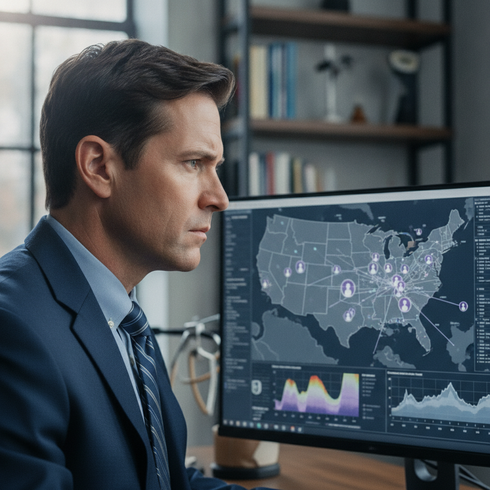
A lightning verification report is a formal document prepared by a forensic meteorologist, confirming the occurrence of one or more lightning strikes at a specific location and time. Through the integration of observational weather data, network detections, and scientific analysis, the report reconstructs the event to provide evidentiary support tailored to legal, insurance, or environmental needs.
Why Are Lightning Verification Reports Important for Legal and Insurance Claims?
Lightning verification reports are widely requested in claim disputes, catastrophe investigations, and litigation involving weather-related losses. These reports validate whether lightning was responsible for alleged property or equipment damages, verify if an event fits policy terms, and assist in liability assessments where causality is in question.
Key Features of Reliable Lightning Reports
Reliable lightning verification reports demonstrate their evidentiary quality through several specific features. The following elements are typically present in reports designed for legal and insurance use:
- Clearly documented date, time, and geolocation of each detected strike
- Intensity metrics, including peak current and polarity, relevant for assessing impact
- Detailed source identification with reliability ratings for the data networks used
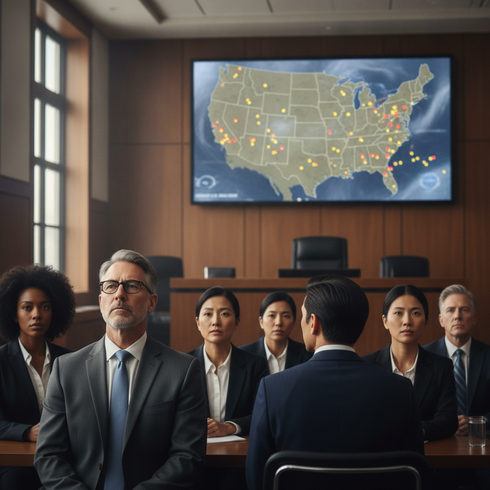
- Visual aids such as maps or strike plots for courtroom and claim review clarity
- Statement of forensic methodology and expert credentials supporting the analysis
Data Sources, Methodology, and Product Options
Confidence in lightning verification depends on transparent data sourcing and robust methodology. This section outlines the networks, techniques, and product options available for tailored expert reports.
What Are the Primary Data Sources for Lightning Verification?
Lightning strike verification draws from national and international lightning detection networks, such as the National Lightning Detection Network (NLDN) and global Vaisala systems. These networks capture electrical activity, sending precise signals to a central database. Proprietary forensic tools are then used by John Bryant to filter, verify, and corroborate this data, ensuring accuracy while documenting every verification step for legal review.
How Accurate is Lightning Verification and What Are Its Limitations?
Lightning verification methods have achieved significant accuracy, typically pinpointing strikes within several hundred meters and seconds of actual events. According to a 2023 American Meteorological Society review on verification accuracy, the most advanced networks provide detection efficiencies exceeding 95% within the continental United States. However, limitations include potential network gaps in extremely remote areas or during coincident severe weather that may temporarily reduce detection confidence.
Lightning Verification Products and Report Access Methods
Insurance and legal clients have a range of product options for accessing lightning data. The following platforms and delivery methods can be tailored to user requirements:
A diverse selection of access methods helps legal and claims professionals engage with the data most relevant for each scenario.
- Web-based lightning report services for instant access and basic event summaries
- Interactive maps for precise legal visualization and evidentiary presentation
- Near real-time and historical lightning datasets to match diverse claim timeframes
- Programmatic integration via web services or secure direct download for large-scale analysis
How to Request a Custom Lightning Verification Report
Requesting a forensic lightning verification report requires a clear process to ensure the report meets all specifics of the legal or insurance context. Initially, the requester provides background information, including the incident’s date, time frame, detailed location, and description of the loss or dispute. The expert reviews these details, recommends the optimal product (historical, real-time, or map-based), and outlines estimated delivery times, which can range from same-day for urgent matters to a few business days for in-depth forensic assessments.
Applications and Use Cases for Lightning Verification
The scope of lightning verification extends to diverse legal, regulatory, and risk management applications. This section details major use cases, how evidence is evaluated, and why the right methodology matters in supporting or refuting insurance claims and legal assertions.
Lightning Verification Use Cases Across Industries
Lightning strike verification is now standard in multiple sectors, supporting fair claim resolution and regulatory compliance. Common fields of application include:
- Property insurance claims for residential and commercial damage assessment
- Utility infrastructure reliability and outage investigation
- Environmental compliance, particularly wildfire attribution
- Government inquiries during disaster declarations or public infrastructure disputes
- Expert testimony in specialized litigation or liability cases
How Lightning’s Location and Intensity Impact Insurance Claims
Successful insurance claim validation often comes down to the documented proximity, timing, and intensity of a lightning event. Insurers require evidence linking a specific lightning strike to the place and time of reported damage, while claimants must demonstrate that the event’s magnitude was sufficient to plausibly cause the asserted harm. Intensity metrics, such as peak current and polarity, help clarify whether lightning could have damaged sensitive electronics, started fires, or triggered broader systems outages.
Comparing Lightning Verification Providers: Methodological Insights
Comparing lightning verification services or expert reports calls for careful attention to methodology, data sources, analytical rigor, and presentation transparency. Legal and claims professionals should review network reliability, the scope of available datasets, whether forensic meteorologist credentials align with court or regulatory standards, and if data visualization tools are provided. According to a 2024 National Insurance Research Council report on weather data validation, differences in methodology and geographic data coverage can significantly influence report defensibility and value for claim resolution.
Lightning Verification and Weather Event Claim Validation
Accurate lightning verification underpins the validity and efficiency of weather-related claims. Key support roles include:
A quick reference to the primary benefits underscores the unique value of professional strike verification in claim and legal contexts.
- Establishes objective evidence of strike location, time, and intensity
- Distinguishes between lightning-permissible and exclusionary weather events
- Supports subrogation or counter-litigation positioning
- Documents historical lightning patterns for environmental cases
Frequently Asked Questions
What is the best way to validate lightning claims?
The best way to validate a lightning claim is to review multiple reliable sources of weather evidence rather than relying on a single lightning map or general storm report. An expert assessment may examine lightning detection data, radar imagery, historical weather observations, storm reports, event timing, and the exact location of the reported loss.
These sources can help determine whether lightning was detected near the property, when the activity occurred, and whether the documented weather conditions are consistent with the reported event.
How does lightning verification support compliance with environmental regulations?
Lightning verification reports provide objective documentation of weather events, which regulatory agencies and environmental consultants use to support environmental risk assessments or demonstrate compliance with reporting obligations.
Can near real-time lightning data be used in claim disputes?
Near real-time lightning observations are increasingly relied upon for prompt claim investigations. When paired with expert forensic analysis, this data can expedite fact finding in contested or urgent scenarios.
What types of insurance claims benefit most from lightning verification?
Property damage, equipment failure, and utility loss claims are all commonly substantiated or disproven using strike verification reports. These reports clarify the proximate cause of loss, ensuring fair outcomes in insurance and legal settings.
Are customized lightning verification reports available for unique scenarios?
The forensic meteorology practice can produce lightning verification reports tailored to unique geographies, timeframes, or specific litigation requirements, meeting the evidentiary demands of nonstandard claims or disputes.
How do I initiate a request for a lightning verification or weather verification report?
Providing the date, location, and key facts about the incident enables the expert to determine the correct verification approach and recommend an appropriate report product or delivery method.
A lightning verification report provides objective confirmation of strike occurrence, supports reliable claim validation, and offers customized solutions for diverse legal and compliance needs. Report methodology, advanced data networks, and expert analysis ensure robust evidentiary value. For tailored expert witness services or historical data, contact John Bryant for authoritative guidance.