 All Posts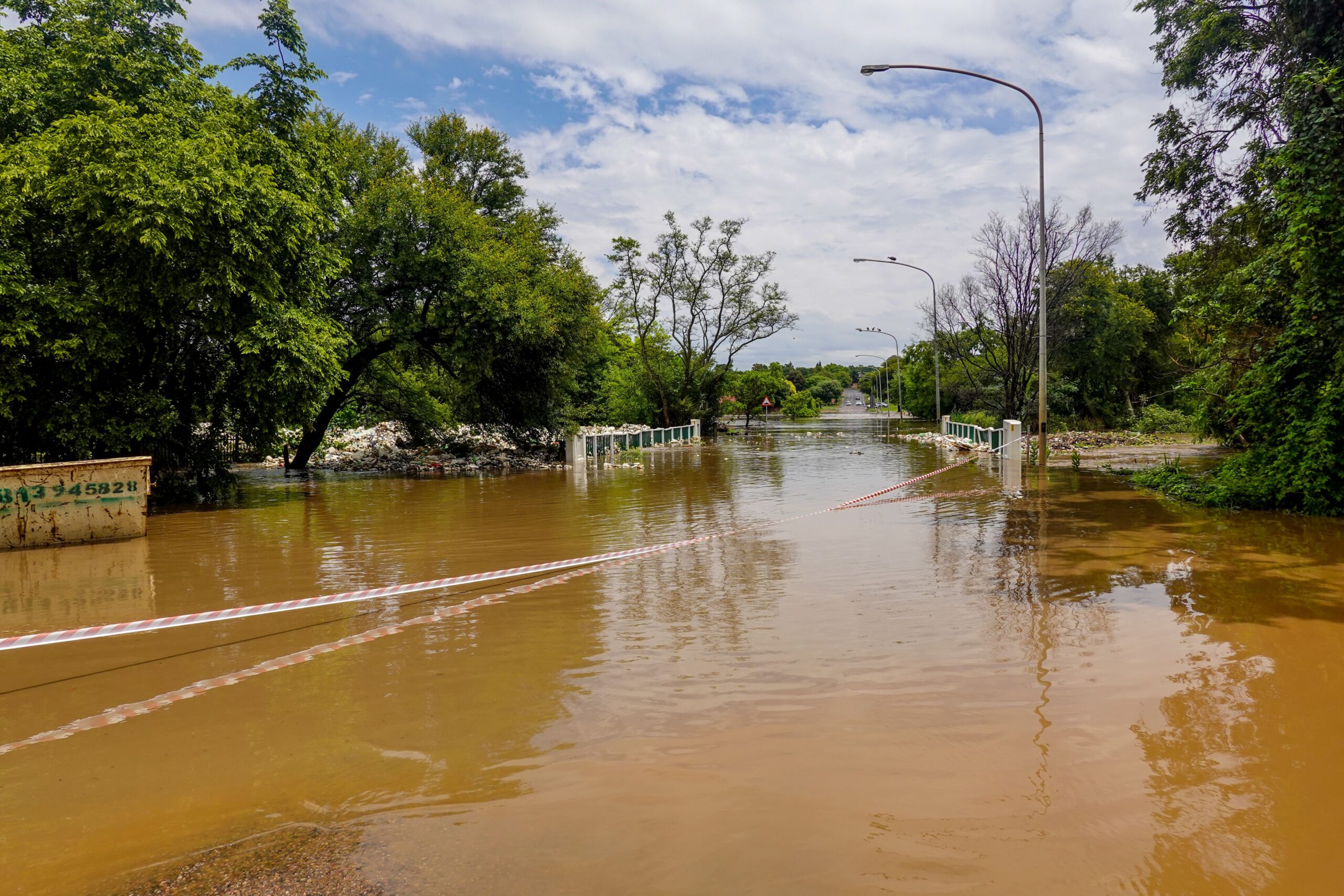


Flash Flood Reconstruction: Expert Witness Insights for Risk Assessment
Flash flood reconstruction merges precise meteorological analysis, risk evaluation, and legal insight to identify causes, quantify impacts, and assess risk following rapid-onset flooding. Many public information sources begin with location-specific case studies, integrate hazard definitions, and present results in a structured format, often adding actionable tips or recovery support for families and communities.
This article explains flash flood hazard assessment, reconstruction methods, public safety measures, and expert witness perspectives. Readers will gain clear knowledge on how forensic meteorology supports litigation, insurance adjustment, compliance efforts, and disaster preparedness through the expertise of John Bryant.
Key Takeaways
- Flash floods present sudden, high-impact hazards requiring specialized reconstruction
- Effective hazard assessment relies on site data, hydrological models, and vulnerability analysis
- Accurate risk methods are essential for ungauged or mountainous areas
- Advance preparedness, public awareness, and mental health support aid recovery
- Forensic meteorologists provide objective expertise in legal and insurance cases
Introduction to Flash Flood Hazards and Reconstruction
Understanding flash flood hazards is essential for accurate reconstruction, public safety, and legal clarity. Reconstruction depends on recognizing both the characteristics of these events and the context of the affected region.
What are flash floods and why are they so dangerous?
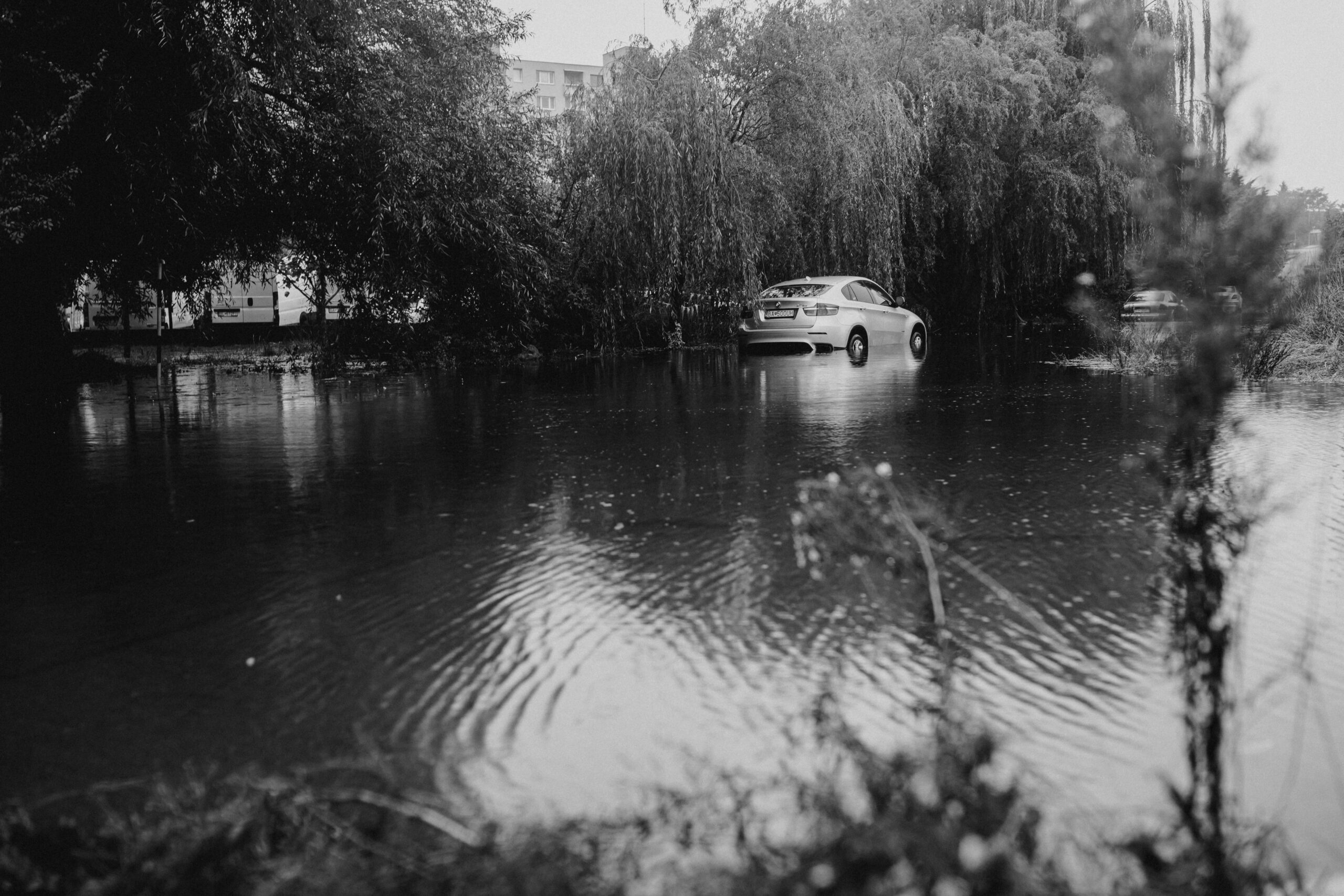
Flash floods are sudden, intense floods triggered by heavy rainfall, rapid snowmelt, or dam failures. These events can occur in a matter of hours or even minutes, posing unique challenges for investigators and significant threats to those in affected areas due to the speed and volume of water.
How do we classify hazard levels in flash flood situations?
Hazard levels in flash floods are typically evaluated using specific criteria, including flood depth, velocity, and the vulnerability of exposed populations or assets. Classification systems help prioritize emergency response and guide risk assessment for legal or insurance analysis.
What impacts are commonly associated with flash flood events?
The impacts of flash floods can be far-reaching, causing fatalities, property damage, economic disruption, and environmental degradation. These effects require focused forensic and technical documentation when supporting litigation, insurance claims, or regulatory review.
How is hazard zonation performed in vulnerable regions?
Hazard zonation is conducted by generating detailed maps that identify high-risk areas for flash flooding. Practitioners utilize hydrological models, digital elevation data, and satellite remote sensing to delineate hazard zones, which support emergency planning and urban development regulations.
Assessment Methods and Case Studies: Data-Driven Approaches
Modern hazard and risk assessments for flash floods rely on a combination of on-site data, sophisticated models, and established frameworks. Advancements in meteorological technology further enhance the precision and scope of these assessments.
What data and methods support accurate flash flood reconstruction?
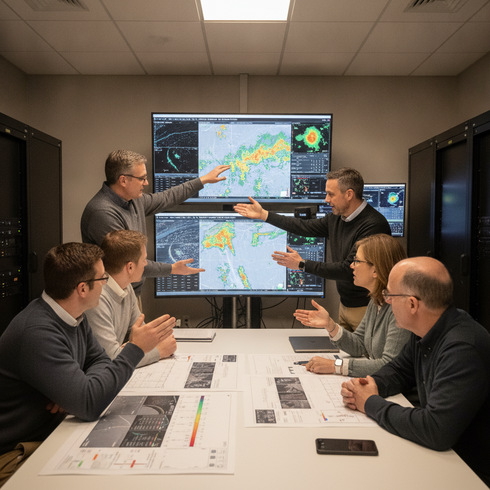
Flash flood reconstruction is supported by the integration of field measurements, historical rainfall data, and digital terrain models. These data sources allow forensic meteorologists to recreate the sequence and severity of flooding events with defensible precision.
Which risk assessment techniques are most effective in ungauged or mountain catchments?
Risk assessment in ungauged basins or mountain areas is challenging due to limited direct observations. The most effective approaches combine event-based hydrological modeling, susceptibility mapping, and regional analogs to approximate risk. According to a 2024 USGS review on hydrological model effectiveness, combining regional rainfall patterns with high-resolution terrain analysis improves flash flood risk estimation in data-scarce catchments.
What technologies enhance flash flood forecasting and management?
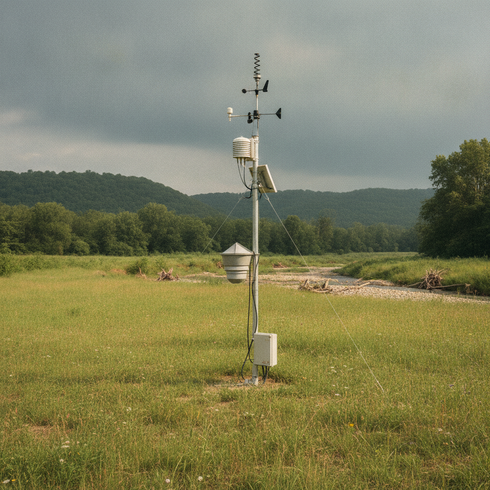
The adoption of Geographic Information Systems (GIS), hydrodynamic modeling platforms such as HEC-RAS, and real-time sensor networks has equipped practitioners with robust forecasting abilities. These tools facilitate rapid data analysis, early warning, and scenario evaluation for both public safety and legal investigation.
Which case studies highlight challenges in Mediterranean and mountain regions?
Case studies from the Spanish Central System and U.S. mountain regions demonstrate the complexity of reconstructing flash flood events in terrain with limited historical gauge data. Mediterranean areas also illustrate the challenges posed by short lead times and region-specific storm patterns. A 2023 NOAA case study on U.S. flash flood events underscored how integrated modeling and community awareness can mitigate risks in similar climatological settings.
Preparedness, Public Awareness, and Recovery Strategies
Technical analysis alone cannot prevent flash flood losses. Successful risk management depends on translating reconstruction findings into community preparedness, effective response plans, and targeted recovery efforts.
What are the best practices for flash flood preparedness at the family and community level?
Flash flood preparedness is maximized through proactive education, coordinated drills, and clear action plans. The following key practices have proved most effective:
- Develop flood action plans tailored to local hazards and update regularly
- Engage in emergency drills at home, schools, and workplaces
- Monitor official weather alerts and community warning systems
- Safeguard vital documents and supplies in accessible locations
- Establish communication channels for family and neighbors during emergencies
How can families help children recover after flash flood disasters?
Children are especially vulnerable to the psychological impacts of flood disasters. Supportive family environments, clear communication, and access to age-appropriate counseling and educational resources foster recovery and long-term resilience.
Which public awareness strategies and indicators prove effective?
Effective public awareness strategies include locally targeted information campaigns, real-time hazard alerts, and community workshops. Indicators such as increased enrollment in emergency alert systems and observed preparedness behaviors signal improved resilience at both the individual and collective levels.
Key preparedness and recovery steps
A structured approach to preparedness and recovery supports rapid response and sustained resilience. Individuals and communities should prioritize developing emergency flood plans, maintaining access to early warning systems, storing important materials in safe locations, and engaging with public agencies for ongoing recovery support.
Conclusion
Comprehensive flash flood reconstruction draws on advanced risk assessment, region-specific hazard knowledge, and actionable preparedness advice. Continuous improvement in forensic meteorology informs both legal review and public safety. For further guidance or analysis, contact John Bryant at Weather & Climate Expert.
Frequently Asked Questions
What role does forensic meteorology play in legal flash flood cases?
Forensic meteorology brings objective weather analysis and reconstructs events relevant to legal arguments, insurance disputes, and regulatory processes. Detailed, data-based reports and expert testimony aid courts and claims professionals.
How is flash flood susceptibility assessed in ungauged river catchments?
Susceptibility in ungauged catchments is established using simulation models for rainfall-runoff, detailed topographic assessments, and, when applicable, proxy data from similar regional basins. This supports defensible risk conclusions for legal and environmental reviews.
What forecasting challenges exist with flash floods?
Challenges for flash flood forecasting include unpredictable storm evolution, short warning times, and sparse observation networks, especially in remote landscapes. Even modern forecasting technology may struggle to provide significant lead time for localized extreme events.
How can public awareness campaigns strengthen flash flood resilience?
Public awareness campaigns enhance resilience by educating residents on taking timely action, understanding local hazards, and participating in early warning programs. Increased community knowledge lowers potential harm and facilitates faster recovery.
What are the primary steps for effective flood recovery and mental health support?
Best-practice recovery starts with addressing immediate physical damage to property and infrastructure. It is vital to provide ongoing support, including mental health resources for children and other vulnerable individuals, as part of long-term recovery planning.
A data-driven approach to flash flood reconstruction clarifies risk, strengthens preparedness, and guides recovery for legal, insurance, and public safety needs. The expertise and services of John Bryant at Weather & Climate Expert support targeted assessment, litigation-ready reporting, and community resilience.