
 All Posts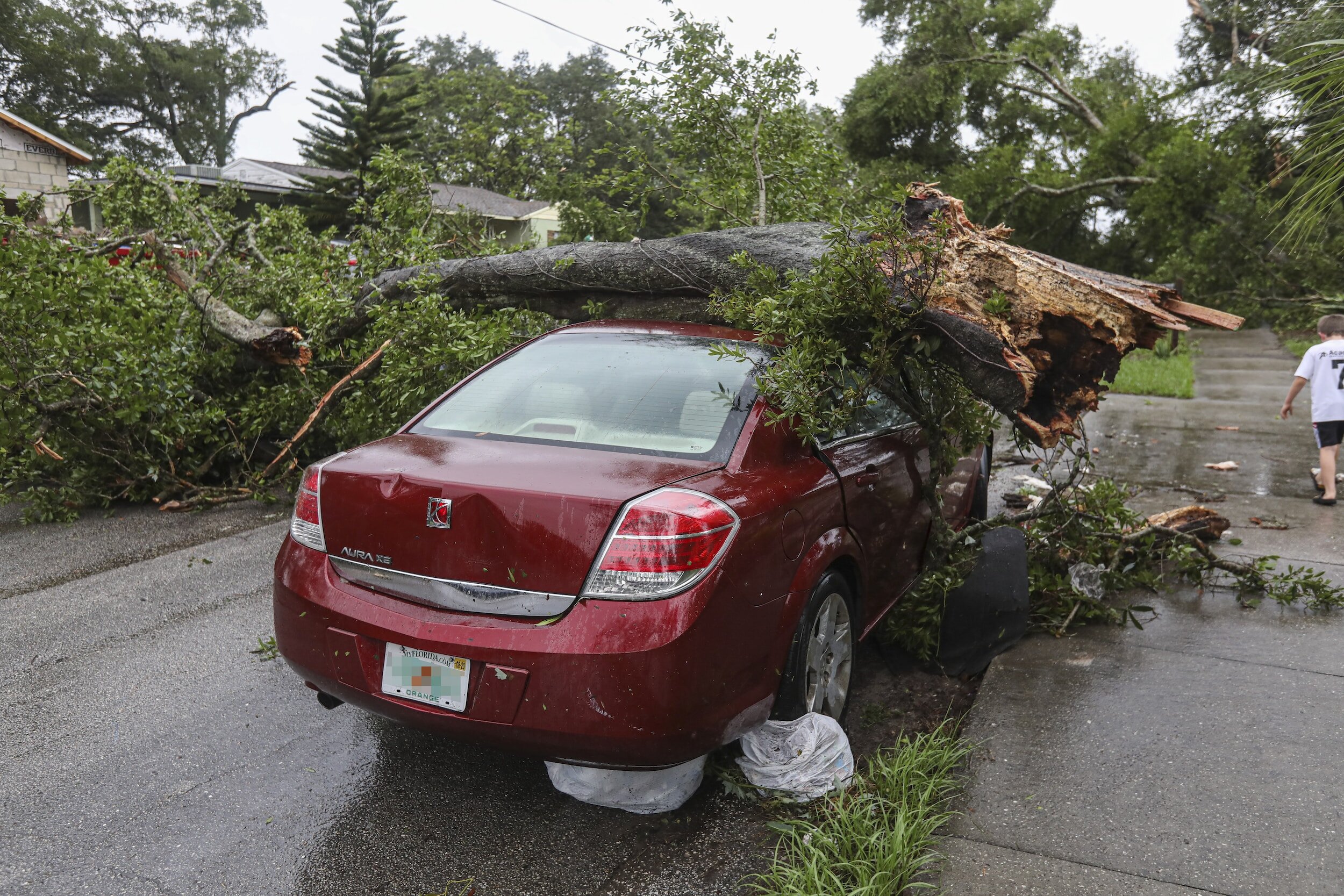


Key Takeaways
- Storm damage in Memphis can affect roofs, windows, siding, trees, foundations, and entire neighborhoods.
- Strong winds, heavy rain, flooding, and severe thunderstorms make preparation important for homeowners.
- After a storm, safety should come first. Avoid damaged power lines, unstable trees, flooded areas, and weakened structures.
- Homeowners should document all visible damage with photos, videos, and written notes before making major repairs.
- A professional inspection can help identify hidden roof, water, or structural damage.
- Insurance claims are easier to manage when homeowners understand their policy coverage, exclusions, and filing process.
- Local government agencies and nonprofit organizations may offer support after major storm damage in Memphis.
When it comes to storm damage in Memphis, understanding the impact is crucial. John Bryant is a Weather and Climate Expert in Memphis. He understands storms that bring significant destruction, leaving homes and communities devastated. By comprehending the science behind storm damage and recognizing the common types of damage that occur in Memphis, you can better prepare for and navigate the aftermath of a storm. Additionally, there are local resources, both government and non-profit, that can provide assistance in times of need. It’s also important to understand how insurance policies work when it comes to storm damage, as filing a claim correctly is essential for receiving the help you need.
Understanding the Impact of Storm Damage in Memphis
Storms, with their strong winds and heavy rain, can wreak havoc on homes and structures. The impact of storm damage is far-reaching, affecting not only individual properties but entire communities. By understanding the science behind storm damage, we can gain insight into the destructive forces at work.
Memphis, located in the heart of the Mid-South region, experiences a variety of severe weather conditions that can lead to significant storm damage. From intense thunderstorms to tornadoes, the city is no stranger to the destructive power of Mother Nature. The flat topography of the area can exacerbate the impact of storms, allowing strong winds to sweep across the landscape with little resistance, causing widespread damage in their wake.
The Science Behind Storm Damage
Storm damage is often caused by severe wind gusts and flying debris. When high-speed winds collide with buildings, trees, and other structures, the force can lead to roof damage, broken windows, and even structural collapse. Additionally, the impact of falling trees or large branches can cause significant property damage and pose a threat to personal safety.
Furthermore, the phenomenon of storm surges, often associated with hurricanes and tropical storms, can lead to coastal flooding and erosion in low-lying areas near the Mississippi River. The combination of heavy rainfall and swollen river levels can create a perfect storm of destruction, causing extensive damage to homes and infrastructure along the riverbanks.
Common Types of Storm Damage in Memphis
Memphis is no stranger to storm damage. Some of the most common types of damage experienced in the area include roof leaks and collapses, fallen or damaged trees, power outages, flooded basements, and damaged windows. Being aware of these potential risks can help homeowners take proactive measures to minimize the impact of a storm.
Moreover, the urban heat island effect in Memphis can exacerbate the intensity of storms, as the city’s concrete and asphalt surfaces absorb and retain heat, creating localized areas of increased atmospheric instability. This can lead to more severe thunderstorms and heavy rainfall, increasing the risk of flash flooding and water damage in residential and commercial properties.
Preparing for Storms in Memphis
Preparing for storms in Memphis is crucial in order to protect your home and ensure the safety of yourself and your loved ones. By taking essential steps to fortify your property and utilizing available community resources, you can be better equipped to withstand the impact of a storm.
Essential Steps to Protect Your Home
Prior to a storm, it’s important to secure loose outdoor items such as furniture, grills, and toys to prevent them from becoming hazards during high winds. Additionally, trimming trees and branches near your home can help minimize the risk of falling limbs damaging your property. Maintaining a well-functioning sump pump and clearing gutters and drains will also help prevent basement flooding. Lastly, having an emergency kit stocked with essentials, such as non-perishable food, water, batteries, and flashlights is crucial.
Community Resources for Storm Preparedness
Memphis offers various resources to aid in storm preparedness. Local government agencies often provide information on emergency plans, evacuation routes, and shelters. Additionally, community organizations and non-profits may offer free or low-cost workshops on storm preparedness and provide assistance in securing your property before a storm hits. These resources can be invaluable in helping you navigate the challenging times before and after a storm.
Navigating the Aftermath of a Storm
Once a storm has passed, it is important to act quickly and safely to mitigate further damage and begin the recovery process. Taking immediate steps and dealing with property damage effectively can help in getting your life back on track.
Immediate Steps to Take Post-Storm
First and foremost, ensure your safety by assessing any risks before entering a damaged property. If necessary, seek temporary shelter until it is safe to return. Contacting your insurance provider to report the damage and begin the claims process is crucial. Document the damage by taking photos and keeping copies of any relevant documents. It is also important to secure your property to prevent further damage, such as covering roof leaks or broken windows.
Dealing with Property Damage
Storm damage can have a drastic impact on your property, leaving you in a difficult situation. Clearing debris, boarding up broken windows, and tarping damaged roofs are immediate steps that can help prevent further damage. However, for more extensive repairs, it is advisable to seek professional help. Be cautious of potential scams and only hire reputable contractors who are licensed and insured.
Local Assistance for Storm Damage in Memphis
In times of need, Memphis offers local assistance programs to aid those affected by storm damage. Both government aid and non-profit organizations are available to provide help and support during the recovery process.
Government Aid and Resources
The local government often provides aid and resources to those affected by storm damage. This assistance can include emergency funds for temporary housing, grants for home repairs, and information on available assistance programs. Contacting your local government agencies and exploring their resources can help you navigate the path to recovery.
Non-Profit Organizations Offering Help
Non-profit organizations play a crucial role in supporting communities affected by storm damage. These organizations provide various forms of assistance, such as debris removal, temporary housing, and financial aid for repairs. Connecting with these non-profits can provide much-needed support during the challenging times following a storm.
Insurance and Storm Damage: What You Need to Know
Having the right insurance coverage is essential when it comes to storm damage. Understanding your policy and knowing how to file a claim correctly can make a significant difference in receiving the assistance you need to rebuild and recover.
Understanding Your Policy
Reviewing your insurance policy is crucial to understand what types of storm damage are covered and what may be excluded. Some policies may have special provisions for wind or flood damage that require additional coverage. Knowing the details of your policy will help you navigate the claims process with confidence.
Filing a Claim for Storm Damage
When filing a claim for storm damage, it is important to act promptly and provide the necessary documentation to support your claim. This includes photos, a detailed list of damaged items, and any relevant receipts or estimates for repairs. Working closely with your insurance provider and following their guidelines will help ensure a smooth claims process.
In conclusion, storm damage in Memphis can have a significant impact on homes and communities. Understanding the science behind storm damage, recognizing common types of damage, and taking essential steps to prepare can help minimize the impact. Navigating the aftermath of a storm requires immediate action and dealing with property damage effectively. Local assistance programs, both government and non-profit, are available to provide help and support during the recovery process. Lastly, understanding your insurance policy and filing a claim correctly are crucial for receiving the assistance you need to rebuild and recover. By being well-informed and prepared, you can find the necessary help to overcome the challenges posed by storm damage in Memphis.
Get Expert Assistance with John Bryant – Weather and Climate Expert
If you’re dealing with the aftermath of storm damage in Memphis and need expert advice, John Bryant – Weather and Climate Expert is here to help. Whether you’re an individual seeking fair claims settlement, a legal professional in need of credible expert testimony, an emergency response team looking for real-time weather updates, or an engineering firm assessing environmental impacts on infrastructure, our expertise is tailored to support your specific needs. With 25 years of experience and a commitment to sustainability and scientific accuracy, we provide valuable insights to strengthen your decisions and outcomes. Don’t let the complexities of weather-related damages overwhelm you. Contact Us! today for professional consultation and take the first step towards a resilient recovery.
FAQs
What types of storm damage are common in Memphis?
Common storm damage in Memphis includes roof leaks, missing shingles, broken windows, siding damage, fallen trees, water intrusion, and structural damage. Heavy rain can also cause basement flooding, drainage issues, and foundation problems.
What should I do first after storm damage?
Start by making sure everyone is safe. Avoid damaged power lines, unstable trees, flooded areas, and weakened structures. Once it is safe, take photos of the damage, write down what happened, and contact your insurance company or a trusted storm damage professional.
How do I know if my roof has storm damage?
Signs of roof storm damage include missing shingles, lifted shingles, water stains on ceilings, granules in gutters, leaks, dents on metal flashing, and debris impact marks. Some damage may not be visible from the ground, so a professional inspection is often helpful.
Does homeowners insurance cover storm damage in Memphis?
Many homeowners insurance policies cover sudden storm damage caused by wind, hail, fallen trees, or heavy rain. However, coverage depends on the policy terms. Flood damage is often handled separately, so homeowners should review their policy carefully.
How soon should I file a storm damage claim?
It is best to file a claim as soon as possible after documenting the damage. Delays can make the process harder, especially if more damage occurs later. Keep photos, repair receipts, inspection reports, and communication records for your claim.
Can storm damage get worse if repairs are delayed?
Yes. A small roof leak, cracked window, or damaged siding can lead to water damage, mold growth, insulation problems, and structural issues. Fast inspection and temporary repairs can help prevent further damage.
Where can Memphis residents get help after major storm damage?
Memphis residents may be able to get help from local emergency management offices, city services, nonprofit disaster relief groups, and community organizations. These resources can help with cleanup, shelter, food, supplies, or recovery guidance after severe storms.