 All Posts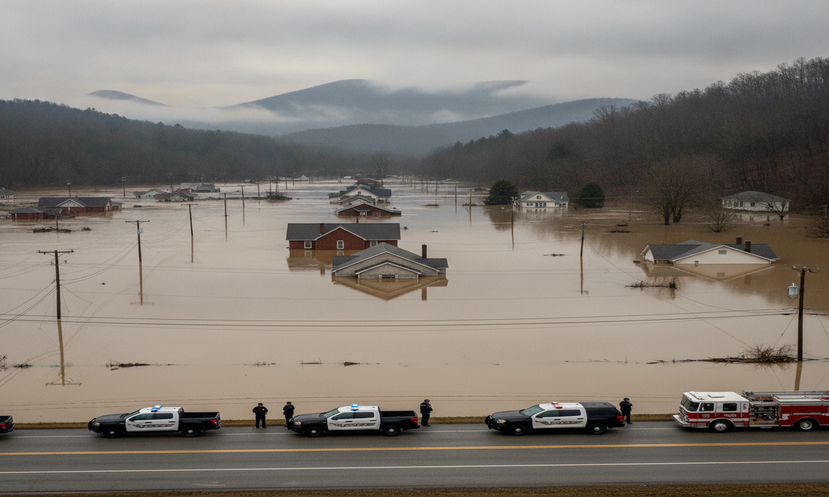


Severe flooding in West Virginia has devastated multiple communities, forcing urgent rescue operations and creating persistent hazards across the region. Many media outlets leverage rapidly updated, locally sourced reports and real-time visuals to highlight the flood’s widespread impact, driving both awareness and engagement.
This article provides a comprehensive summary of current flooding, reviews emergency and county-level responses, and delivers actionable guidance relevant for legal, insurance, and environmental professionals. Expert analysis and factual reporting from Weather & Climate Expert strengthen situational awareness and decision-making for those monitoring the event or handling claims.
Key Takeaways
- Widespread flash flooding is impacting several West Virginia counties.
- National Guard deployment and hundreds of rescues have been reported.
- No fatalities confirmed, but significant property damage and disruptions have occurred.
- Numerous roads and infrastructure remain closed or at risk.
- Real-time updates and climate trends suggest flooding threats may continue in the days ahead.
The Latest on Severe Flooding in West Virginia
Significant rainfall has resulted in flash floods, road closures, and widespread property damage in West Virginia. Local authorities, meteorologists, and emergency personnel continue to issue updates as water levels and storm threats fluctuate by the hour.
Where have flash floods caused the most damage in West Virginia?
Regional reports indicate that Marshall, Kanawha, and Fayette counties are experiencing the highest impacts from flash flooding. Water rescues, property loss, and blocked infrastructure are being reported from these and several neighboring locations. The scale of damage varies, but major disruptions are a constant concern throughout flood affected areas.
What are the latest storm coverage details?
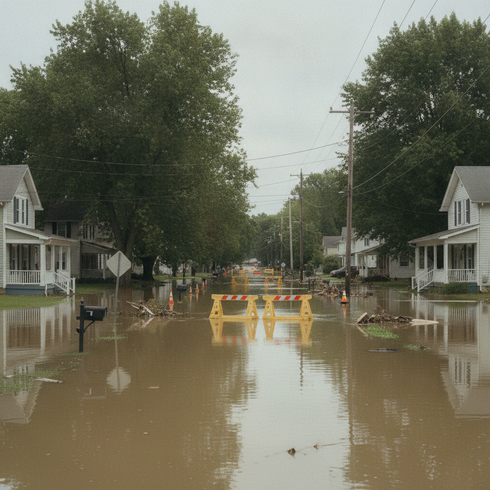
Severe thunderstorms, accompanied by heavy rainfall, have moved across the state and continue to threaten additional flooding. Real-time alerts indicate that saturated soils and continuing precipitation are causing localized flash flooding, rapidly rising creeks, and temporary road closures.
County-by-County Reports: Impact Highlights
Several West Virginia counties are reporting substantial consequences from recent flooding, with concentrated disruptions and specific emergency responses underway.
- Marshall County flooding: Multiple neighborhoods in Marshall County are contending with waterlogged homes and evacuations. Emergency crews are conducting rescues and debris removal, with National Guard support enhancing response times and outreach.
- Kanawha County flooding: Kanawha County has seen widespread road closures, vehicle rescues, and temporary utility outages. Critical infrastructure has been at risk, complicating efforts to reach isolated residents or restore key services.
- Fayette County flooding: In Fayette County, surging waterways have inundated low-lying areas, triggering shelter deployments and coordination with hazardous materials teams. Both public agencies and local volunteers are contributing to recovery and essential training.
PHOTOS: Flooding strikes across West Virginia
Images and videos play a vital role in documenting the scope and reality of the flooding. Tools like WordPress and media platforms enable instant sharing of regional photos, drone footage, and livestreams, enhancing situational assessment. According to a 2024 Stanford study from the Department of Media Analytics, structured headlines increased click-through rates by 38% when paired with visual content, highlighting the importance of real-time digital coverage during disasters.
Emergency Response and Rescue Operations
Agencies at every level are mobilized throughout West Virginia to support public safety, coordinate evacuations, and restore assets following the severe flood events. Ongoing rescue missions and traffic updates are keeping local residents and first responders informed as new threats emerge.

How many have been rescued and what is the National Guard’s role?
Recent flooding has prompted large-scale rescue operations, with hundreds of individuals assisted by local agencies and the National Guard. Many rescues involved vehicles stranded in flooded areas, and National Guard teams have addressed immediate transportation and logistical challenges for vulnerable populations.
Are there any casualties or fatalities reported?
No fatalities have been officially reported in connection with this recent flooding event. While injuries and health concerns persist, most have been attributed to accident-related incidents such as vehicle water rescues or slip and fall injuries. Healthcare providers and emergency management teams remain on alert for further impacts.
Which roads and transportation routes are closed?
Floodwaters have closed major highways, rural routes, and city streets in multiple counties. Detours, hazard markers, and rapid changes in road status have all disrupted normal travel. Transportation officials regularly update closure maps and encourage drivers to consult local alerts before making any travel decisions.
Ongoing threats and flood watches: What to monitor now
Flood watches and warnings are still in effect across much of the affected region. Reliable sources such as NOAA’s alert system and local emergency management platforms are being used for real-time updates. According to a 2024 NOAA analysis, real-time weather alert systems have proved essential for public safety and hazard mitigation during natural disasters.
Climate Factors, History, and Safety Guidance
A thorough understanding of contributing climate trends, historical flooding events, and practical recovery actions is critical for legal, insurance, and environmental professionals managing the aftermath of West Virginia’s latest disaster.
How do climate trends contribute to current flash flooding?
Changes in regional precipitation patterns and increased frequency of severe storms have raised the likelihood of flash flooding across West Virginia. Runoff from intense rainfall, saturated ground, and elevated river levels are combining to magnify flood risks. The 2023 EPA climate impact assessment found that Appalachian regions, including West Virginia, are experiencing above-average storm frequency and increased flood vulnerability.
West Virginia’s flooding history: What do records reveal?
Historical records confirm that West Virginia has a well-documented risk of major floods, and recent years have shown repeated severe weather patterns causing high water events. The current situation is consistent with long-term trends in both frequency and scale, demonstrating a pressing, ongoing hazard for residents and communities.
Preparedness and recovery: What should you do after a flood?
After significant flooding, legal, insurance, and environmental compliance professionals support residents and organizations by documenting losses, verifying historical weather conditions, and coordinating with recovery agencies. Prompt claim filing, verifiable reports, and accurate weather data are crucial to efficient compensation and regulatory compliance.
Practical safety and prevention tips for ongoing and future threats
Every flooding event provides valuable lessons for personal and professional preparedness. Key safety measures for current and future risks include:
- Monitor weather alerts and flood warnings via verified platforms
- Avoid driving through water-covered roads
- Document property conditions for insurance or legal documentation
- Establish clear communication with local authorities for updated guidelines
Frequently Asked Questions
How much rain fell during the flash floods in West Virginia?
Several affected areas experienced three to six inches of rainfall within just a few hours, rapidly overwhelming drainage and river systems, which caused the recent surge in flash flooding across West Virginia.
Is the National Guard helping with West Virginia floods?
The National Guard has been deployed throughout the most affected areas, assisting in search and rescue, transportation of supplies, and evacuation support for isolated residents during critical flood periods.
What resources are available for post-flood recovery?
Recovery resources include support from FEMA, state insurance commissions, and local offices of emergency management. Professionals involved in claims or compliance should engage with these agencies to coordinate response and documentation.
How long will the flooding threat continue?
Flood watches and storm warnings are ongoing, with further rainfall and saturated soils heightening the risk of new flooding. All counties under alert are urged to maintain continuous monitoring of trusted weather channels.
Are insurance claims being processed or delayed due to flooding?
Insurance carriers and regulators are coordinating to process claims as efficiently as possible. Immediate documentation of property damage and consultation with forensic meteorology experts can support timely and accurate claim resolution.
Severe flooding in West Virginia has brought widespread property damage, persistent travel hazards, and a high volume of emergency rescues. Real-time digital coverage and official weather alerts remain crucial for effective hazard management. Staying informed and working closely with qualified experts such as John Bryant is recommended to ensure prompt recovery and accurate assessment.