 All Posts


Ice Storm Injuries: Why You Need a Forensic Meteorologist in Your Corner
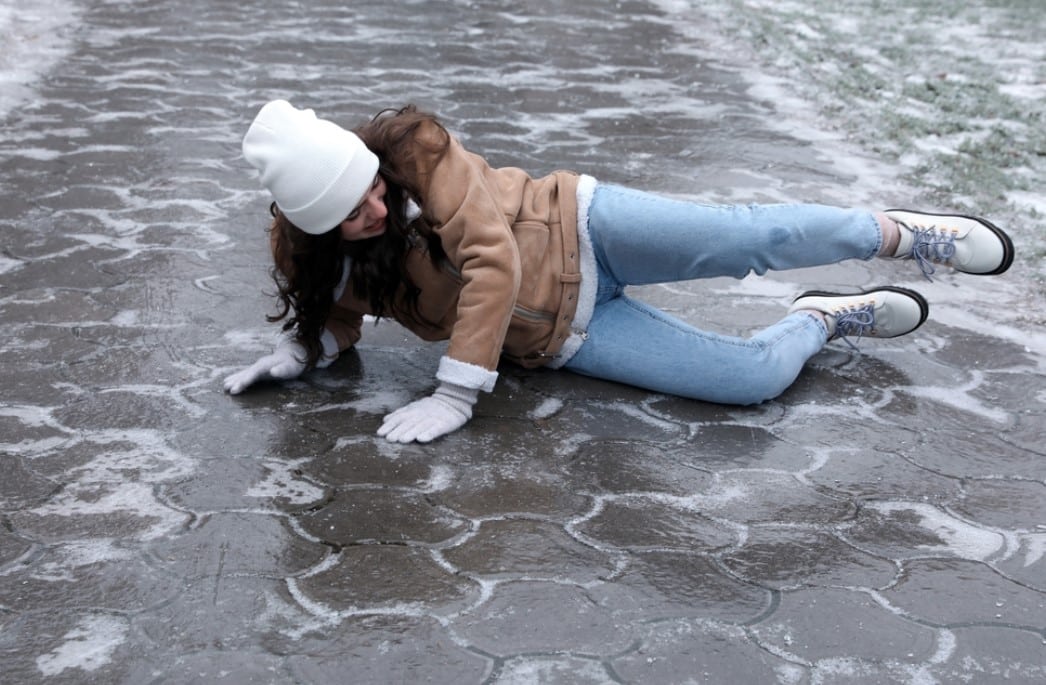
The sidewalk gleams like polished glass. One second you were walking, the next – flat on your back, pain shooting through your spine. Ice storms don’t just freeze the landscape; they freeze your life when injuries occur.
I’ve seen it happen dozens of times. The hospital bills pile up. The insurance company claims “Act of God.” The property owner swears they couldn’t have known.
They’re wrong.
Key Takeaways
-
Ice-related slip-and-fall cases often depend on when and where hazardous conditions formed.
-
Historical weather data, surface temperatures, precipitation timing, and radar imagery can help reconstruct conditions at an accident location.
-
Weather analysis may help assess whether icy conditions were foreseeable and whether there was time to respond.
-
A forensic meteorologist can explain complex weather evidence in clear, accessible terms.
-
Weather evidence is one part of a case; it does not by itself establish negligence or guarantee a legal outcome.
The Truth About Ice Injuries
When you slip on ice and break your wrist or hip, you need more than a doctor. You need someone who can prove what the weather did and when it did it.
That’s my job.
As a forensic meteorologist, I reconstruct the weather conditions that caused your fall. I don’t deal in maybes or could-haves. I deal in scientific facts.
Consider a case in the Southeast: A woman broke her hip outside a grocery store during what the manager called “a surprise freeze.” The store claimed they had no warning.
The weather data told a different story. Freezing rain had been forecast for 18 hours, so the store had ample time to salt its walkways or post warnings.
That evidence secured her a settlement that covered all her medical expenses.
What I Bring to Your Case
When you hire me as your meteorology expert witness, you get:
-
- Hard facts, not guesswork. I’ll pinpoint exactly when ice formed at your accident location – sometimes down to the minute.
- Clear proof of foreseeability. I’ll show whether the property owner should have known about the danger.
- Timeline evidence. I’ll establish whether there was adequate time to address the hazard before your injury.
- Simple explanations of complex weather. Judges and juries won’t get lost in technical jargon.
Why Weather Evidence Makes or Breaks Ice Injury Cases
Most slip and fall cases hinge on a simple question: Should someone have prevented this?
The answer lives in the weather data.
Take a case of a delivery driver who fell on an icy hotel entrance in Michigan. The hotel claimed the ice formed suddenly due to “flash freezing.”
My analysis of surface temperatures, precipitation timing, and radar imagery proved the ice had formed three hours before the fall. The hotel staff had checked the entrance only once that morning.
The case settled less than a week after my report arrived.
Finding the Right Weather Expert
Look for these qualifications when hiring a meteorology expert for your ice injury case:
-
- AMS Certified Meteorologist
- Forensic experience, specifically with ice formation cases
- Trial testimony background – courtrooms aren’t classrooms
- Clear communication skills – weather science must make sense to non-scientists
Beyond the Weather Report
General forecasts won’t win your case. The local news might have predicted “icy conditions,” but that’s too vague for court.
You need precise data:
-
- Surface temperature at the exact location
- Type of precipitation (freezing rain vs. sleet)
- Accumulation rates
- Duration of freezing conditions
This level of detail often reveals negligence that general weather reports miss.
Real Results for Real People
A grandmother in the Midwest slipped on a hospital walkway during an ice storm last winter. The hospital had salted the walkway early that morning and considered its duty fulfilled.
An hour-by-hour precipitation analysis showed a second wave of freezing rain occurred after their salting. Their weather monitoring protocol had gaps – a clear failure of duty.
The case settled for twice their initial offer.
Don’t Fight Ice Alone
If you’ve been injured in an ice storm – whether in Tennessee, Michigan, or the United States – don’t accept “bad weather” as an excuse. Bad weather is predictable. Dangerous conditions can be prevented.
Let me help prove it.
Contact me today for a free consultation about your ice injury case. I’ll tell you honestly whether weather evidence can strengthen your claim.
Meteorology Expert Witness | Forensic Weather Analysis by John Bryant
901.283.3099
Because when you’re fighting for fair compensation, you deserve the cold, hard facts on your side.
Authoritative Weather Resources
For those seeking to understand more about meteorology and weather analysis, here are some valuable resources:
-
- National Oceanic and Atmospheric Administration (NOAA)
- National Weather Service
- National Centers for Environmental Information
- American Meteorological Society
- AMS Professional Development
- National Weather Association
- SEAK Experts – Forensic Meteorology
- Penn State Department of Meteorology and Atmospheric Science
- University of Oklahoma School of Meteorology
- Colorado State University Atmospheric Science
- University of Washington Atmospheric Sciences
- MIT Earth, Atmospheric and Planetary Sciences
Frequently Asked Questions
How can a forensic meteorologist help with an ice injury case?
A forensic meteorologist can analyze historical weather records and other available data to reconstruct conditions near the time and location of the incident. The findings may help clarify when ice formed and whether hazardous conditions were foreseeable.
What weather evidence may be relevant to a slip-and-fall on ice?
Relevant evidence may include surface temperatures, precipitation type and timing, freezing conditions, accumulation rates, and radar imagery. The available evidence depends on the incident location and the records that can be obtained.
Can weather data show whether a property owner had warning of icy conditions?
Weather analysis may help establish what conditions were forecast or occurring and when. Whether that information was sufficient to put a particular property owner on notice depends on the full facts of the case.
Is a general weather forecast enough for an ice injury claim?
A general forecast can provide context, but it may not establish the conditions at the exact accident location and time. A case-specific analysis may offer more detail about precipitation, temperatures, and ice formation.
What should I look for when hiring a forensic meteorologist?
Consider relevant forensic experience, familiarity with ice and winter-weather analysis, the ability to explain findings clearly, and experience providing expert reports or testimony. Credentials and experience should be evaluated in the context of the specific case.
Does hiring a forensic meteorologist guarantee a settlement or successful claim?
No. Weather analysis can provide evidence about conditions, but it does not guarantee a settlement or determine the outcome of a legal claim.