 All Posts


Weather personal injury cases arise when adverse conditions contribute to accidents and legal disputes over negligence or responsibility. Legal practitioners and claims professionals must recognize that nearly all such cases require regional context and an understanding of local statutes or weather patterns.
This article provides expert-driven insights into how weather shapes personal injury and premises liability matters, equips attorneys and insurers with evidence strategies, and explains when to consult specialized witnesses. John Bryant of Weather & Climate Expert offers forensic meteorology expertise for the most complex weather accident claims.
Key Takeaways
- Weather impacts accident risk but does not excuse negligence in personal injury cases.
- Proper liability assessment requires region-specific legal and weather context.
- Strong claims use timely evidence, weather data, and expert analysis.
- States differ significantly in statutes and obligations for weather-related injuries.
- Prompt legal consultation aids in preserving evidence and clarifying fault.
How Weather Affects Personal Injury and Liability Cases
Weather can dramatically alter accident risk and complicate legal duties in personal injury law. Understanding the nuances of each condition and its legal implications is fundamental to an effective claim or defense.
How do weather conditions impact personal injury and premises liability cases?
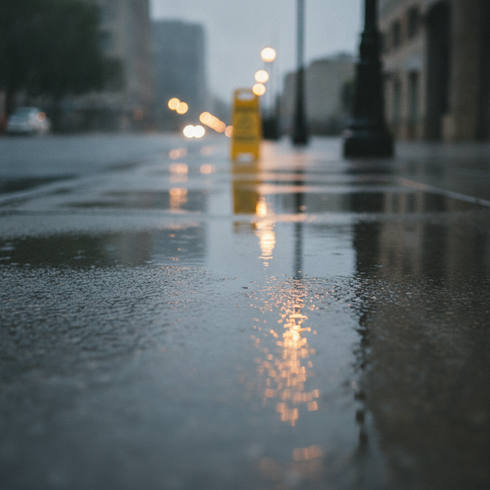
Rain, snow, fog, and high winds are common weather phenomena that change the environment and human behavior. Road surfaces may become slick, visibility can drop sharply, and both pedestrians and drivers may face unanticipated hazards. These changes introduce complexities into proving fault and reconstructing what occurred during an incident.
Can adverse weather excuse negligence in accident cases?
Courts rarely consider bad weather a valid excuse for failing to exercise reasonable care. Both property owners and drivers are generally expected to anticipate weather risks and take safety measures, such as clearing ice or employing warnings, rather than use weather as a defense for negligence.
How weather-specific events contribute to accidents and claims
Several weather conditions directly contribute to higher injury risks. According to a 2024 University of Chicago study on premises liability, rain, snow, fog, and wind collectively account for a significant share of personal injury claims during severe weather periods.
- Rain and wet conditions: Lead to slippery surfaces, reduced friction, and an uptick in slip and fall or vehicle accident claims.
- Snow and ice: Create hazardous conditions that drive increases in winter injury and premises liability allegations.
- Fog: Severely reduces visibility for motorists and pedestrians, increasing crash and accident numbers.
- High winds: Generate situations with falling debris or downed trees, causing harm to both pedestrians and vehicle occupants.
Evidence, Liability, and Claim Strategies in Weather-Related Accidents
Thorough documentation and precise legal standards are critical in the evaluation or litigation of weather-related injury claims. Effective evidence collection and understanding liability carve a path to resolution.
What evidence should be collected after a weather-related accident?
A methodical approach to evidence is pivotal for substantiating what occurred. In any weather personal injury case, securing factual information from the start allows robust case building.
- Take time-stamped photographs or video of the accident scene, surface conditions, and visible hazards.
- Obtain official weather reports from tools such as NOAA or Weather Underground for the incident date and time.
- Gather detailed witness statements to capture different perspectives on how weather played a role.
- Collect any hazard signage or notices, along with involved footwear or vehicle condition for later analysis.
- Keep all communication and correspondence on record, especially regarding those responsible for premises or vehicles.
How can you prove or dispute liability in a weather-related injury case?
To establish liability, the central question is whether reasonable measures were taken by the responsible party, such as prompt snow removal or hazard warning. Conversely, defending against claims may involve demonstrating that all required weather precautions were observed. Ultimately, the analysis relies heavily on contemporaneous evidence and adherence to legal duty.
How do insurance companies assess and sometimes deny weather-related claims?
Insurance providers closely scrutinize whether a foreseeable hazard was ignored or whether the event was truly unavoidable. Policy exclusions or ambiguous evidence can trigger claim denials, especially when documentation is insufficient or the actions taken do not align with prudent safety protocols. According to a 2025 Texas Law Review article, weather-related injury claims face higher scrutiny and denial rates if negligence cannot be clearly established.
Actions to take after a weather-related incident (Checklist)
When involved in an accident stemming from rain, ice, wind, or other weather conditions, quick and structured response can be critical to future claims. The following steps protect legal rights and strengthen potential litigation:
- Document the scene with time-stamped photos or video.
- Collect official weather data and any public advisories from the accident date.
- Secure detailed statements from all participants and witnesses present.
- Seek prompt medical evaluation and keep detailed records of all treatment and communications.
- Preserve physical evidence such as shoes, clothing, or signs clearly affected by weather conditions.
- Utilize forensic analysis resources, such as police reports and databases like the NOAA Storm Events Database, for reconstructing environmental context.
Regional Differences and Protecting Your Rights
Local laws and statutes markedly influence the way weather-related liability and injury claims are handled. Adapting case strategies to each jurisdiction ensures compliance and improves outcomes.
How do states like California, Texas, and Kentucky uniquely address weather injury claims?
Each state applies its own framework in interpreting premises liability and motorist safety in the face of severe weather. Some jurisdictions may allow for “act of God” defenses, while others hold property owners and drivers to strict preventative standards regardless of forecast or event. Reviewing local codes and precedent is indispensable when evaluating liability for weather personal injury cases.
What are proactive legal steps for property owners and drivers during severe weather?
Taking reasonable, documented steps before, during, and after weather events positions parties on safer legal ground. This includes pre-storm snow removal, deploying visible warnings, and routine inspections. In many localities, ordinances specifically require such preventative action to minimize risk and avoid future disputes.
When should you consult a legal or forensic expert after a weather-related accident?
Early engagement of legal or weather expertise is often decisive, especially in incidents where causation is unclear. Quick consultation helps preserve evidence, document local weather accurately, and clarify the responsibilities of property owners, drivers, or insurers in the face of weather uncertainty.
Conclusion
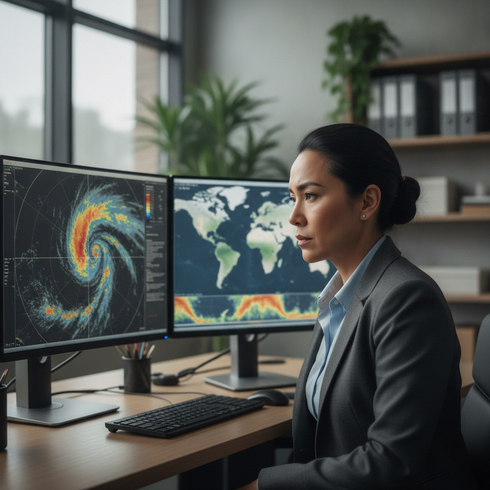
Weather personal injury matters require exceptional attention to forensic meteorology, local law, and evidence standards. Timely collection of scene details and weather data strengthens liability evaluation. State-specific laws determine how facts are weighed, while qualified expert consultation ensures rigorous claim assessment. For those facing complicated weather accident claims, John Bryant delivers the specialized knowledge required to support expert opinion and credible testimony.
Frequently Asked Questions
What qualifies as weather-related negligence in personal injury cases?
Negligence typically exists when a party does not exercise reasonable care in light of a foreseeable weather risk. Not salting icy sidewalks, failing to warn of wet surfaces, or ignoring forecasted hazards can constitute negligence even during severe storms.
Are all slip and fall incidents in bad weather the property owner’s fault?
Not all incidents are attributed to property owners. Liability often hinges on whether the owner took all reasonable steps to remove or warn about hazards given the expected weather and timing of the incident. Legal outcomes consider both conditions and owner diligence.
How soon should you report a weather-related injury or accident?
Immediate reporting is optimal, ideally the same day as the accident. Prompt notification ensures evidence is preserved, facts remain fresh for investigation, and all legal notice obligations are met for insurance and regulatory purposes.
What documentation strengthens a weather-related personal injury claim?
Effective claims are underpinned by clear photos, medical records, official weather documentation, and corroborating witness accounts. Communications with property owners, businesses, or drivers about the incident or prior hazard warnings also add weight.
Do weather conditions always complicate auto insurance claims?
Weather variables often make accident reconstruction and assignments of fault more complicated for vehicle claims. Nonetheless, thorough documentation
- paired with forensic meteorology and expert testimony
- often clarifies disputed facts for insurers and courts.
Weather is a decisive factor in personal injury litigation, but weather alone rarely excuses failure to act responsibly. Accurate scene evidence and expert meteorological input improve legal clarity. State laws vary in weather claim interpretation. Consult John Bryant for reliable weather accident analysis.