 All Posts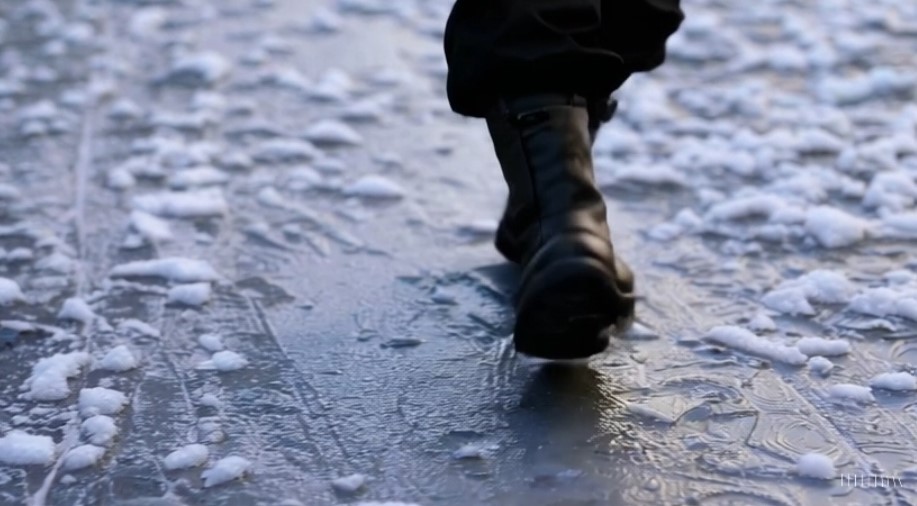


Why Snow and Ice Melting and Refreezing is Dangerous
After a Winter Storm, fluctuating temperatures can cause snow and ice to melt during the day and refreeze at night. This cycle creates black ice, an almost invisible, highly slippery layer that significantly increases the risk of falls. Here’s why this phenomenon is dangerous:
-
- Hidden Hazards – Ice may look like wet pavement, making it difficult to spot.
- Unpredictable Surfaces – Sidewalks, driveways, and parking lots can become extremely slippery overnight.
- Increased Fall Risk – Even cautious walkers can lose footing due to sudden ice patches.
- Legal Liability – Property owners can be held responsible for failing to clear hazardous ice from their premises.
Key Takeaways
- Snow and ice melting during the day and refreezing at night creates dangerous black ice.
- Black ice is difficult to see and can cause serious slip-and-fall accidents.
- High-risk areas include sidewalks, parking lots, stairs, ramps, and building entrances.
- Wearing proper footwear and using salt or sand can help prevent falls.
- Property owners may be legally responsible for unsafe icy conditions.
- Documenting the scene and seeking medical attention are important after a fall.
- Staying alert during early mornings and evenings can reduce the risk of injury.
Where You’re Most Likely to Slip and Fall
-
- Sidewalks and Walkways – Especially in shaded areas where ice lingers.
- Parking Lots – Partial melting creates patches of ice in unexpected spots.
- Stairs and Ramps – These surfaces are dangerous when ice accumulates.
- Building Entrances – Melting snow from foot traffic can refreeze inside or outside doorways.
- Bridges and Overpasses – These freeze faster than roads because of airflow underneath.
If you ever need an expert weather witness for litigation purposes, you can find one here
How to Prevent Slips and Falls in Ice-Prone Areas
1. Proper Footwear
-
- Wear non-slip, rubber-soled boots with good traction.
- Avoid smooth-soled shoes like dress shoes or sneakers.
2. Use Ice Melt & Sand
-
- Apply salt, sand, or ice melt to driveways and walkways before temperatures drop.
- Sand improves traction while salt accelerates melting.
3. Walk with Caution
-
- Take short, deliberate steps with slightly bent knees.
- Keep your hands out of your pockets for balance.
- Use handrails on stairs.
4. Be Mindful of Time & Temperature
-
- Ice is more likely to form in the early morning and late evening.
- Watch for areas that melt in the sun but refreeze in the shade.
5. Clear Snow Promptly
-
- Remove snow before it compacts into ice.
- Use a snow shovel or blower to keep walkways clear.
6. Install Handrails & Mats
-
- Use grip mats or textured coatings on outdoor steps.
- Ensure railings are sturdy and accessible.
7. Stay Alert for Black Ice
-
- Look for glossy or wet-looking patches on the pavement.
- Assume any wet spot in cold weather could be ice.
What to Do If You Slip and Fall
If you fall on ice:
-
- Try to relax and avoid stiffening up.
- Land on your side or roll to minimize impact.
- Seek medical attention for any pain, especially in the head, back, or wrists.
- Report the fall if it happens on public or private property to document conditions.
Legal Considerations for Slip and Fall Accidents
Property owners have a duty to keep walkways safe. They may be liable for injuries if they neglect to salt, shovel, or warn of icy conditions. If you’ve been injured due to unsafe conditions:
-
- Document the scene and conditions with photos.
- Gather witness statements if possible.
- Seek medical attention immediately.
- Consult with a slip-and-fall attorney to understand your rights.
Stay Safe This Winter
Avoiding slip-and-fall accidents requires awareness, preparation, and caution. Whether you’re a pedestrian or property owner, taking preventive steps can reduce the risk of injury and keep everyone safer during winter.
For more winter weather safety tips and resources, visit NOAA Weather Resources.
The author of this blog is not a lawyer. This post is intended for informational purposes.
Frequently Asked Questions
What is black ice?
Black ice is a thin, transparent layer of ice that forms when melted snow or water refreezes on surfaces. It is difficult to detect because it often looks like wet pavement.
How can I avoid a slip and fall on ice?
Wear non-slip footwear, walk carefully with short steps, use handrails, and avoid rushing in icy conditions. Applying salt or sand to walkways also improves traction.
Where are slip-and-fall accidents most common in winter?
Common locations include sidewalks, parking lots, stairs, ramps, bridges, overpasses, and building entrances where melted snow can refreeze.
What should I do immediately after slipping on ice?
Check yourself for injuries, seek medical attention if needed, document the area with photos, and report the incident to the property owner or manager.
Can property owners be liable for icy walkways?
Yes. Property owners may be held responsible if they fail to maintain safe conditions by clearing snow, applying ice melt, or warning visitors about hazards.
What type of shoes are best for walking on ice?
Rubber-soled boots with strong traction or anti-slip grips are the safest option for icy conditions.
Why does ice form more often at night?
Temperatures usually drop after sunset, causing melted snow and water to refreeze into slippery ice patches overnight.
When is the risk of black ice the highest?
Black ice commonly forms during early morning and late evening hours when temperatures are below freezing.