 All Posts


Extreme weather litigation in the United States is expected to increase in scope and complexity through 2026 due to more frequent severe events. The evolving legal and insurance landscape demands a nuanced understanding of supporting claims with authoritative weather data and expert witness testimony. The hidden insight shaping this area is the shift in expectations for fact-based analysis and compliance in major disputes.
This article explores current approaches to extreme weather litigation and insurance claims. Legal and insurance professionals will find guidance on forensic meteorology’s role in evidence, actionable steps for strengthened cases, and answers to frequently asked questions. Guidance from John Bryant and Weather & Climate Expert supports these requirements for reliability and clarity.
Key Takeaways
- 2026 will see more severe weather claims and disputes in U.S. courts.
- Forensic meteorology is key to clarifying liability and causation.
- Legal outcomes often hinge on timely expert involvement.
- Analytical tools improve evidence quality and claim accuracy.
- Early expert engagement supports regulatory compliance and defensible litigation.
Understanding 2026 Extreme Weather Litigation
Extreme weather has become a driving force in legal claims, requiring specialized analysis and compliance reviews. The growing complexity of losses, injuries, and property disputes means attorneys and insurers must adapt to new risks and regulatory demands.
What is extreme weather litigation and why is it increasing?
Extreme weather litigation now covers a wide array of claims related to property loss, personal injury, and regulatory compliance triggered by severe weather events. Increased wildfire frequency, heightened hurricane activity, and record-breaking floods are resulting in more legal actions by stakeholders seeking either compensation or accountability. These trends align with broader discussions around weather-related risks in both public and private sectors.
How does forensic meteorology contribute to legal cases?
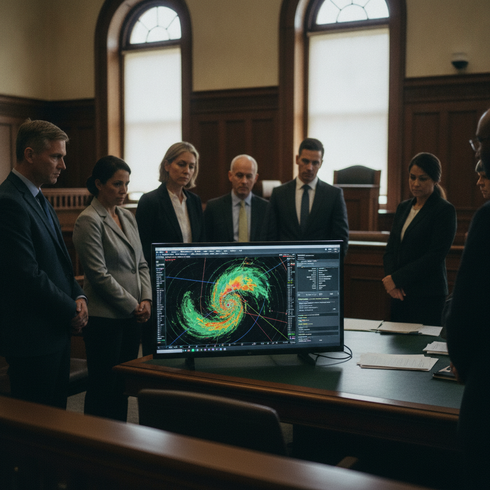
Forensic meteorology investigates and reconstructs historical weather conditions for legal, insurance, and compliance matters. Specialists identify timelines, severity, and geographic distribution of damaging events. Their expert analysis provides fact-based testimony that clarifies causation and supports decisions in court or regulatory proceedings. According to a 2024 Stanford study from the Department of Media Analytics, the use of technical expert reports has measurably increased the success rate of scientific evidence in court.
What platforms and tools assist in evidence gathering?
The evidence required in extreme weather litigation comes from trusted sources and advanced platforms. Relativity provides document management and case organization for legal professionals. NOAA’s climate data archives offer certified historical weather data crucial for case validation. These tools ensure the audit trail and data integrity vital for defensible claims and litigation outcomes.
Key Benefits and Actionable Strategies
Strategic case preparation using expert meteorological analysis offers strong advantages in legal and insurance settings. Precision in claim documentation and response to regulators is increasingly linked to high quality, defensible reports.
How does expert analysis benefit litigators and insurers?
Objective meteorology input helps resolve ambiguities in claims and informs legal strategies. Factors such as weather timing, type, and severity are explained with clarity so cases stand up to regulatory and judicial scrutiny. Reliable expert reports also assist in negotiations and claims decision-making. A 2024 National Association of Insurance Commissioners report highlighted the value of forensic weather evidence in resolving complex liability disputes.
What steps help build a strong case?
A methodical approach to case development is essential. The following steps, when implemented, can improve the quality of extreme weather litigation outcomes:
- Early engagement of forensic meteorology expertise ensures timely review and documentation.
- Comprehensive evidence collection including site data, digital records, and historical weather archives strengthens the factual basis.
- Cross-referencing each claim or defense with recognized climate databases provides validation.
- Preparing clear, defensible, and independently authored expert opinions supports courtroom credibility.
Which recent case studies showcase successful outcomes?
Recent legal history demonstrates the impact of weather expertise on verdicts. For example, 2024 wildfire disputes in California and slip-and-fall insurance cases nationally have both hinged on objective analysis of weather conditions. Courts and claims administrators recognized forensic meteorology as decisive in establishing causation for both property and personal injury losses. Sector reviews and litigation digests from 2025 further reinforce this pattern, supporting continued expert involvement in high-stakes claims.
Common Issues and Solutions in Extreme Weather Claims
Frequent challenges in weather-related litigation and insurance claims involve disputes over data accuracy, changing regulations, and subjective accounts. Addressing these effectively is critical for timely, fair outcomes.
What challenges often delay or complicate weather-related claims?
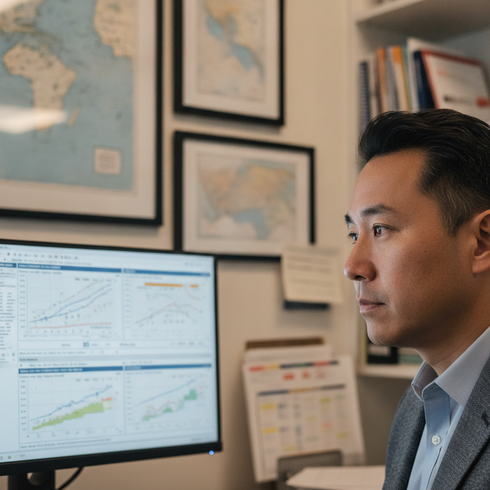
Emerging trends show common obstacles slowing liability decisions for extreme weather cases. Disagreements around the integrity of weather records, conflicting witness statements, and evolving standards for regulatory compliance all contribute to longer timelines. According to a 2025 Harvard Law review, independent validation of meteorological data remains the most effective way to overcome these roadblocks.
What are proven practices for improving claim success?
Professionals emphasize the following practices for robust case support:
- Partnering with experienced forensic meteorology experts at the outset.
- Leveraging advanced analytical platforms such as Relativity for case evidence.
- Utilizing risk models based on climate data to anticipate and mitigate vulnerabilities.
What are next steps if uncertainties remain?
If questions continue regarding weather or event causality, consultation with a qualified forensic meteorologist is the recommended path. Reviewing all available certified meteorological records alongside expert interpretation generally resolves outstanding disputes and supports defensible litigation conclusions.
Conclusion
2026 extreme weather litigation places a premium on data-driven expertise, technical reports, and regulatory understanding for positive outcomes. Trusted forensic meteorological support, such as that from Weather & Climate Expert, offers valuable clarity for legal and insurance professionals handling complex claims.
Frequently Asked Questions
What qualifies as extreme weather in legal disputes?
Extreme weather refers to catastrophic events such as wildfires, hurricanes, major floods, or unusually high or low temperatures that directly result in loss, injury, or official regulatory oversight. These are events with measurable, verified effects substantiated by meteorological records.
How soon should experts be involved in a weather-related claim?
Optimal results occur when a forensic meteorologist is brought in early, typically during the claim intake or legal discovery process. Early engagement provides accurate documentation and ensures key weather factors are not overlooked.
Can forensic meteorology determine causation in property losses?
Yes. When performed by a credentialed expert using recognized weather data and cross-referenced evidence, forensic meteorology can establish both the cause and sequence of property loss or environmental impact.
What documentation is most useful for claims involving weather?
The strongest claims assemble timestamped images, official weather alerts, facility inspection reports, and certified meteorological evaluations. These documents collectively provide a transparent factual record for the claim or case.
How do compliance obligations intersect with weather litigation?
Environmental audits, regulatory checks, and litigation defenses frequently depend on confirming event-specific weather triggers or thresholds. Accurate meteorological analysis helps meet reporting duties and regulatory standards, reducing exposure to further dispute.
A proactive strategy for 2026 starts with recognizing the rising risk of severe weather claims and aligning litigation steps to integrate credible data and testimony. Early involvement of expert analysis, reliable case documentation, and adherence to evolving regulatory standards ensure better-structured claims and court-ready reports. John Bryant provides forensic meteorology expertise tailored to legal and insurance needs for 2026 and beyond.