 All Posts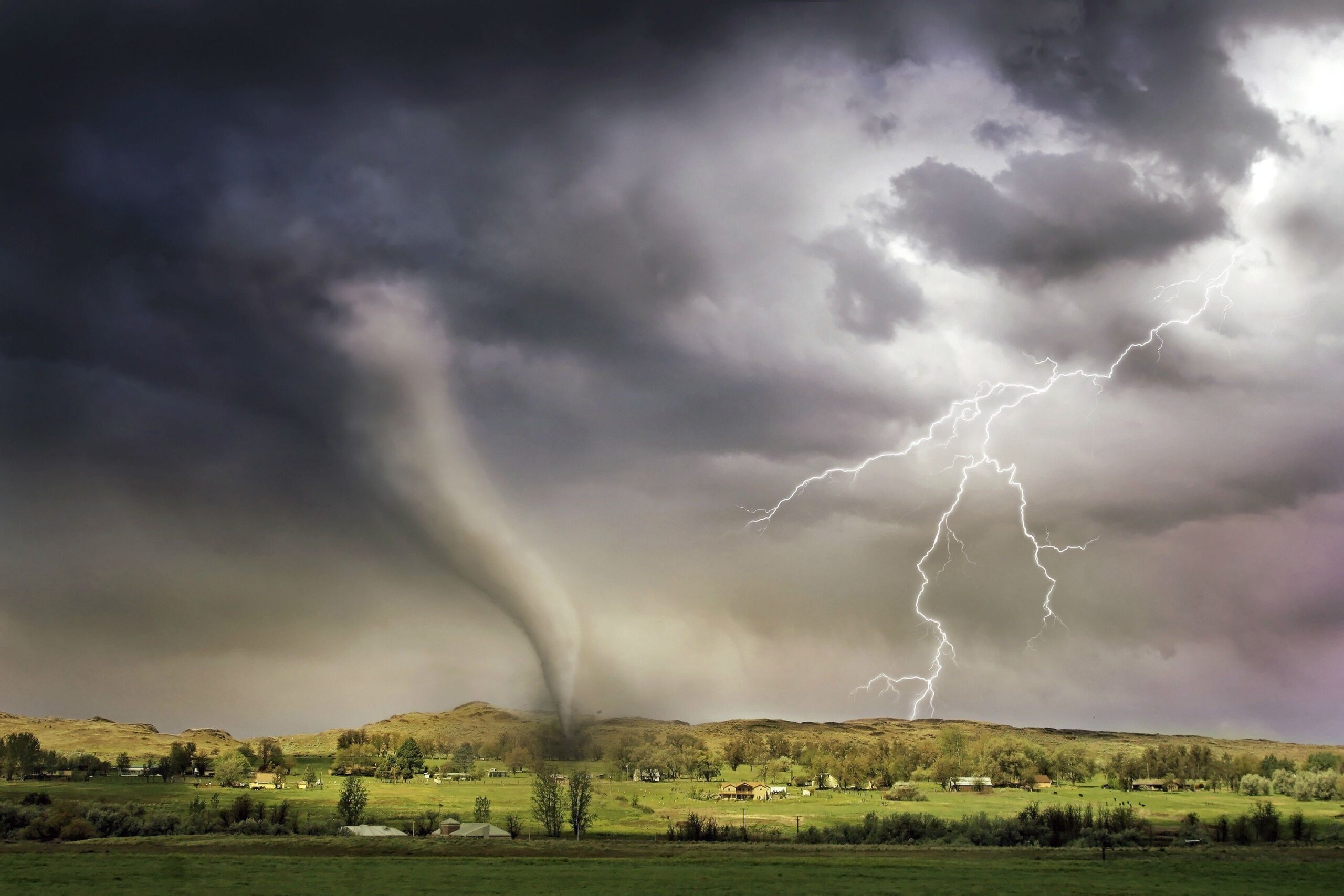


Tornado expert witnesses are vital in legal and insurance contexts involving storm or wind damage. Many competitor resources follow an educational approach: explaining definitions, describing real-world use cases, identifying key qualifications, and then showing how to contact or evaluate an expert. This article maintains that clarity, providing a structured review of tornado expert witness knowledge and standards.
This guide helps attorneys, insurance professionals, and compliance specialists understand what a tornado expert witness does, what makes one qualified, and how their forensic meteorology input supports complex litigation. Drawing on established legal and scientific best practices, John Bryant of Weather & Climate Expert delivers insight for those handling weather-related disputes or claims.
Key Takeaways
- A tornado expert witness delivers scientific assessment for legal and insurance cases.
- Typical cases include storm damage lawsuits, claims disputes, and compliance matters.
- Qualifications include advanced meteorological credentials and forensic experience.
- Reports detail tornado presence, path, and wind characteristics for defense or claims.
- Courts regularly admit expert testimony from tornado and meteorology specialists.
What Is a Tornado Expert Witness?
Tornado expert witnesses provide authoritative scientific analysis in disputes where tornadoes or extreme winds have caused potential loss, damage, or regulatory issues. Their involvement ensures clarity in complex weather-related cases by interpreting meteorological data, reconstructing events, and presenting findings for court or claims review.
What defines a tornado expert witness in legal and insurance cases?
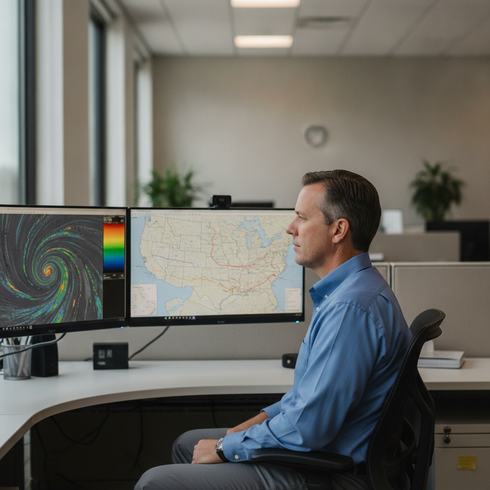
When evaluating storm-related claims or enforcing regulations, a tornado expert witness is responsible for analyzing meteorological records, reviewing site evidence, recreating event timelines, and interpreting wind patterns. This role also extends to examining weather station data, radar imagery, and post-event damage, ensuring that opinions are both objective and data-driven.
How does a tornado expert witness contribute to case outcomes?
The contribution of a tornado expert witness often determines the outcome in storm-related disputes. Through expert testimony, technical reports, and scientifically validated findings, the expert clarifies the facts of the weather event for adjudicators and claim reviewers. Peer-reviewed methodology supports both defensibility and acceptance in court, increasing confidence in the results.
What is the distinction between a tornado expert witness and a weather expert witness?
While both roles require meteorology expertise, a tornado expert witness focuses on tornado-specific events, including damage, wind speeds, and proven storm tracks. In contrast, a weather expert witness may handle broader atmospheric events such as hail, rainfall, or general wind events. For cases directly involving tornadoes or their aftermath, dedicated tornado knowledge and experience are critical.
What is forensic meteorology and its relevance to tornado cases?
Forensic meteorology applies scientific analysis to reconstruct past weather events, often using tools like GRLevelX, NOAA datasets, and National Weather Service products. In tornado litigation, forensic meteorology is indispensable for validating whether a tornado occurred, its strength, and its exact trajectory through a site, which anchors any legal or insurance determination with empirical evidence.
Legal and Insurance Cases Requiring a Tornado Expert Witness
Legal, insurance, and regulatory actions involving tornadoes require precise weather expertise. Tornadoes present unique risks, and their aftermath typically prompts detailed investigation to support or dispute damage claims, clarify fault, or address compliance concerns.
What types of cases most often require a tornado expert witness?
Litigation and claims related to tornado damage regularly require a tornado expert witness. These scenarios include property loss disputes, insurance claim denials, building code violations, environmental compliance reviews, and more. Each case depends on the expert’s ability to interpret complex weather data in the context of statutory, contract, or regulatory frameworks.
What types of testimony does a tornado expert witness provide?
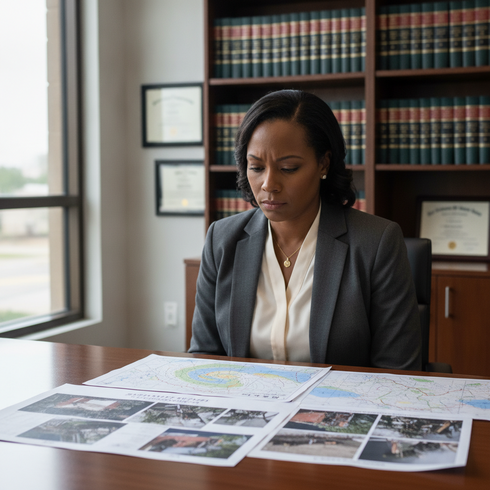
Tornado expert witnesses are called on to provide technical reports, sworn deposition testimony, and trial evidence. Their deliverables are tailored to attorneys and insurance professionals and may include written findings, data visualizations, or oral explanations structured to clarify meteorological factors for non-scientific audiences. This input can shift the balance in contested insurance claims or court proceedings.
In which legal situations are meteorology expert witnesses particularly valuable?
Meteorology expert witnesses are essential in cases of insured property loss, personal injury caused by wind damage, or wrongful death claims where storm conditions are in question. They also inform disputes over policy exclusions, disputes on causation, and situations where accurate weather reconstruction is necessary for compliance verification.
Issues a tornado expert witness may handle
Tornado and weather expert witnesses manage a spectrum of technical and factual matters relevant to storms and wind events. The most common issues include:
- Storm-related structural damage assessment
- Verification of tornado occurrence and path
- Wind speed estimation for property insurance claims
- Analysis of compliance with environmental and building codes
According to a 2024 American Bar Association report, legal reliance on meteorology and weather expert testimony has increased notably across property and casualty litigation, reflecting growing trust in this form of expert evidence.
Qualifications and Selection of a Tornado Expert Witness
Selecting the right tornado expert witness is central to achieving credible, reliable case outcomes. A combination of technical certification, hands-on forensic meteorology, and experience in legal processes typically defines the most effective candidates for expert testimony.
What qualifications distinguish a tornado expert witness?
A tornado expert witness should hold advanced certifications such as AMS or NWA credentials, formal education in meteorology, and documented field or forensic experience. Practical familiarity with tornado phenomena, storm data analysis, and report preparation for litigation are hallmarks of a qualified expert.
How does experience in forensic meteorology affect expert witness reliability?
Hands-on experience in forensic meteorology deeply enhances expert witness credibility. Those able to reconstruct tornado events using real-world datasets, such as NOAA tornado records and GRLevelX radar imagery, provide more reliable analysis. Knowledge of event timelines, storm characteristics, and digital forensics allows an expert to build defensible and persuasive testimony.
What should legal and insurance professionals look for when selecting an expert?
To ensure qualified expert selection, professionals should:
- Review all meteorological certifications and credentials
- Analyze prior testimony or published reports for case relevance
- Evaluate direct tornado case experience and use of industry-standard tools
- Seek familiarity with current court admissibility standards and forensic practices
Selecting an expert with proven courtroom or insurance claim experience anchors findings in both science and legal precedent.
Applications of tornado and wind reports in legal proceedings
Accurate tornado and wind reports play a vital role in supporting both litigation and claims management. Core applications include:
- Documentation of tornado-induced losses
- Precedent-setting testimony in court
- Supporting insurance claim adjustments
- Evidence submission for environmental regulatory hearings
A 2023 Cornell Law Review article highlights the impact of scientific expert reports, emphasizing their value for defending or contesting claims in an increasingly data-centric insurance landscape.
Conclusion
Tornado expert witnesses integrate advanced meteorological analysis with legally relevant reporting, clarifying facts in storm or wind-related disputes. Strong credentials and forensic meteorology proficiency strengthen case results, offering objectivity and technical depth where stakes are high. To discuss tornado expert witness services tailored to specific circumstances, reach out to John Bryant through Weather & Climate Expert.
Frequently Asked Questions
How does a tornado expert witness document evidence for court?
The tornado expert witness process involves collecting meteorological data, conducting site investigations, and building a comprehensive event timeline. These findings are assembled into detailed, court-admissible reports that present factual evidence clearly.
When should an insurance team consult a tornado or wind expert witness?
Insurance professionals are advised to consult a tornado or wind expert witness at the earliest signs of claim complexity, probable litigation, or when regulatory scrutiny is expected. Early involvement often streamlines claim review and improves settlement accuracy.
What is the difference between a tornado report and a general weather report?
A tornado report specifically addresses tornado track, intensity, and structural effects using specialized meteorological tools. General weather reports summarize broader atmospheric settings without event-specific damage and wind analysis.
Are tornado expert witness findings recognized in federal and state courts?
Yes, tornado expert witness reports and testimony are routinely admissible in U.S. courts, provided the expert meets the qualifications and applies scientifically sound analysis methods.
Can tornado expert testimony influence insurance claim settlements?
Tornado expert testimony frequently clarifies complex damage scenarios, supporting more informed and equitable insurance settlements by providing an objective event reconstruction.
In legal and insurance matters involving tornadoes, expert witnesses deliver clarity through precise meteorological analysis, event reconstruction, and valid reporting. Recognized certifications, forensic tools, and authoritative testimony support better case outcomes and more defensible claims decisions. The expertise of John Bryant at Weather & Climate Expert ensures that clients receive credible counsel when facing tornado-related disputes.