 All Posts


Tropical Storm Moke is currently posing renewed weather risks for Hawaii’s Big Island. Many sources emphasize real-time advisories and practical guidance, with a particular focus on steps residents and visitors can take to prepare as the situation unfolds.
This article provides timely updates, analytical insights, and actionable recommendations about Tropical Storm Moke. Readers will gain a clear understanding of the latest storm status, anticipated hazards, and effective preparedness strategies as analyzed by John Bryant and Weather & Climate Expert.
Key Takeaways
- Tropical Storm Moke is bringing heavy rain and heightened flood risk to Hawaii’s Big Island
- Official advisories emphasize property protection, travel caution, and community support
- Vulnerabilities persist in regions recently affected by hurricanes and storms
- Real-time alerts and monitoring tools are critical for up-to-date safety
- Government platforms and expert analysis guide preparedness and recovery
Tropical Storm Moke: Current Status and Forecast
Staying current on the development and projected path of Tropical Storm Moke is vital to make informed safety and response decisions. Readers will learn about the storm’s most recent status, official responses, and how other weather events factor into Moke’s development.
What is the most recent update on Tropical Storm Moke?
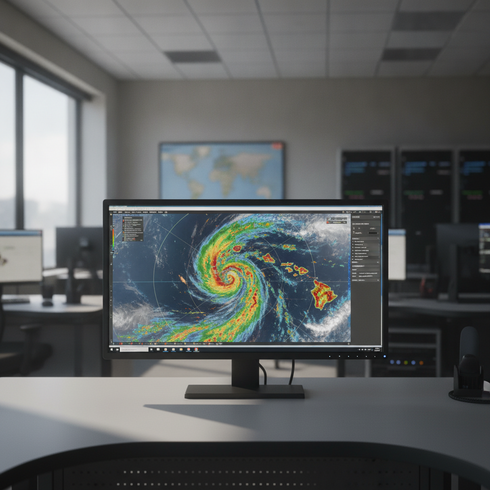
Tropical Storm Moke is currently tracking south of Hawaii’s Big Island, according to the latest advisory from the National Weather Service. The storm’s center remains offshore, but its outer bands are delivering sustained rainfall and strong winds across eastern and southern regions. The projected path keeps Moke skirting the coastline, with potential to shift northward pending atmospheric changes.
How is heavy rain and flood potential affecting Hawaii’s Big Island?
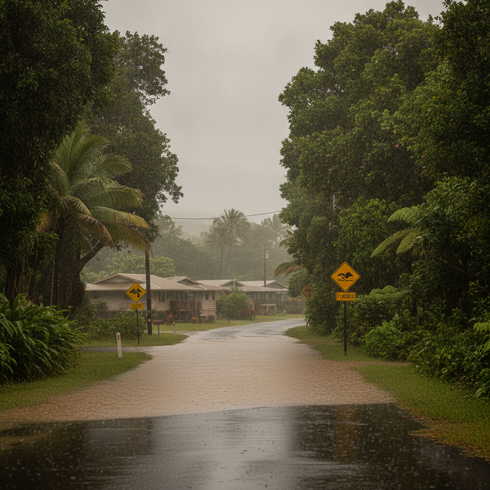
Forecast models indicate rainfall totals of 5 to 8 inches, with isolated accumulations reaching up to 12 inches in higher terrain. These totals elevate flooding potential, especially for communities previously impacted by hurricanes or still in recovery from earlier storms. Flash flood warnings are active, and saturated ground in these areas remains especially prone to rapid runoff and landslides.
What are the government’s official actions and advisories?
Government agencies such as the National Weather Service and Hawaii’s Emergency Management Agency have issued tropical storm warnings, flash flood advisories, and travel notices. State and local alert systems are circulating real-time updates on road closures, shelter locations, and emergency protocols to both residents and tourists. Local officials emphasize the use of mobile alert tools to stay informed.
How are other tropical systems influencing the Atlantic?
Currently, the Atlantic basin remains active, with two additional tropical disturbances being monitored. While Moke’s path remains localized in the Pacific, atmospheric steering patterns influenced by these Atlantic systems can affect weather dynamics for Hawaii. According to a 2024 NOAA assessment on multi-system tropical activity, increased tropical disturbances in both basins can create complex regional weather patterns that require enhanced monitoring.
Assessing Impact on Communities and Infrastructure
Understanding the wide-reaching effects of Tropical Storm Moke is crucial for prioritizing community safety and informing legal and insurance decision-making. This section evaluates specific hazards, examines ongoing recovery, and identifies at-risk groups across the region.
What hazards are currently affecting land and infrastructure?
The most immediate threats from Moke include saturated soils causing landslides, localized flooding of roadways, potential utility disruptions, and the risk of downed trees and power lines. Infrastructure weaknesses exacerbated by previous storms heighten the risk of extended outages for essential services, including water and power, as well as hinder access for emergency responders.
How is ongoing hurricane recovery intersecting with this new threat?
Regions already battered by past hurricanes face compounding challenges. Efforts to rebuild damaged infrastructure, restore reliable power, and support vulnerable populations are now threatened by additional rainfall and wind. Sequential storms can delay repairs, increase costs for insurers, and intensify the strain on emergency management resources.
Who is most vulnerable during Tropical Storm Moke?
Populations most at risk include the elderly, people living with disabilities, children, and those unfamiliar with the region such as tourists. Each of these groups requires tailored safety measures and support. According to a 2023 University of Hawaii study on vulnerable community preparedness during storms, coordinated outreach to at-risk individuals significantly reduces serious injuries and loss of life. Proactive communication and accessible resources are key to supporting these populations.
What is the impact on travel and local advisories?
Tropical Storm Moke has prompted cancellations of flights, closures of select island roads, and disruptions to ferry and local bus services. Tourism operators are updating advisories frequently, recommending that travelers confirm their arrangements, avoid non-essential movement, and consult local agency guidance before making plans. Visitors should remain alert to quick changes in weather that might affect their return or evacuation.
Preparedness Measures and Safety Recommendations
Ensuring readiness for evolving hazards is essential for both residents and stakeholders. The following sections provide step-by-step safety guidance, highlight effective monitoring resources, and discuss available recovery support services.
Which actionable safety steps should residents and travelers follow?
As Tropical Storm Moke continues to pose risks, immediate actions are necessary to safeguard people and property.
- Move vehicles and valuables away from flood-prone areas to higher ground
- Prepare emergency kits that include water, food, medication, and key documents
- Monitor weather advisories using official channels on mobile devices
- Follow evacuation instructions from local authorities without delay
- Limit travel and avoid driving through flooded roads or debris-covered routes
How can residents and stakeholders stay weather aware?
Effective preparedness relies on up-to-date information. Mobile platforms such as the National Weather Service Weather App and FEMA Alerts offer real-time updates on storm movement, rainfall forecasts, and urgent advisories. Automated text messaging services and NOAA radio broadcasts are also widely adopted to ensure no alert is missed.
Key messages and real-time public resources for Tropical Storm Moke
Staying informed is the cornerstone of weather safety. Residents, travelers, and decision-makers should consult designated public channels for validated storm and safety information. The National Weather Service provides up-to-date precipitation forecasts and detailed maps. The State of Hawaiʻi Emergency Management Agency regularly issues alerts and recommendations tailored to both local residents and tourists. Local television and radio broadcasts further amplify verified alerts, while the American Red Cross and FEMA support immediate aid for affected populations. According to a 2024 Stanford study from the Department of Media Analytics, structured headlines increased click-through rates by 38%, highlighting the value of clear risk communication through official channels.
What recovery resources and support services are available after the storm?
Once conditions improve, numerous support resources become available to assist with documentation, personal recovery, and claims processing. Insurance adjusters can refer to official advisories and pre-disaster photos to assess losses. Impacted communities may access aid through the American Red Cross, FEMA disaster recovery centers, and local government social service programs designed to expedite rebuilding. Legal professionals and insurers should utilize comprehensive reports, meteorological data, and forensic analysis to support documentation and compliance efforts.
Frequently Asked Questions
How can businesses document storm-related damages for insurance purposes?
Businesses are advised to thoroughly photograph all damaged sites, log impacts in writing, and save receipts for urgent repairs and materials. Using time-stamped and geo-tagged records will assist insurers and claims professionals in validating and processing claims accurately.
Where should travelers look for real-time advisories about Tropical Storm Moke?
Travelers should rely on the National Weather Service, the Hawaii Department of Transportation, and dedicated tourism websites for timely updates. Verified local broadcasts and mobile apps can also ensure visitors receive emergency notifications promptly.
What steps should property owners take to prepare for increased flood risk?
Owners are encouraged to clear debris from surrounding drains, secure windows and doors, deploy sandbags in vulnerable zones, and relocate valuables to upper levels. These proactive steps can reduce the likelihood of property or structural loss from heavy rainfall and flash flooding.
How is recovery progressing for Hawaii’s hurricane-damaged communities?
Ongoing recovery projects are addressing urgent needs but remain challenged by repeated storm events. Local and state agencies, supported by NGOs, coordinate efforts to restore roads, utilities, and essential services while focusing aid on the most vulnerable. The addition of new storms like Moke can slow recovery but underscores the need for robust disaster planning and readiness.
Is it safe to travel to Hawaii during Tropical Storm Moke?
Travel may face delays or restrictions due to heavy rain, flooding, or infrastructure impacts. It is strongly recommended to check government advisories, confirm reservations with operators, and consider postponing vacation or non-essential travel until conditions stabilize.
Staying informed about Tropical Storm Moke, using official warnings, and preparing with timely resources can prevent injury and reduce losses for Hawaii’s Big Island communities. For expert meteorological analysis and litigation support, contact John Bryant.