 All Posts


A wrongful death weather expert provides objective analysis and testimony on past weather conditions related to fatal incidents. The need for specialized insight arises as weather can be a central factor in liability and causation. There has been increased recognition of the importance of scientifically verified meteorological evidence in these cases.
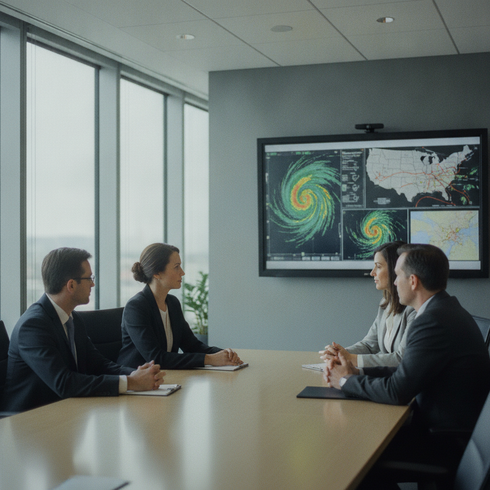
This article provides detailed guidance for attorneys, insurance professionals, and compliance consultants on the role, categories, and operational value of weather expert testimony in wrongful death cases. John Bryant’s authority in forensic meteorology drives the analysis, service standards, and practical application covered here.
Key Takeaways
- Wrongful death weather expert testimony clarifies weather’s role in fatal incidents
- The practice covers historical, severe event, and slip-and-fall weather analysis
- Expert findings may corroborate or refute litigation and claims evidence
- Legal teams benefit from enhanced credibility using meteorological reports
- Certified forensic meteorologists use advanced data tools and scientific methods
Understanding Wrongful Death Weather Expert Testimony
Wrongful death weather expert testimony is a cornerstone in disputes where weather may have contributed to a fatality. Legal counsel, insurance adjusters, and environmental professionals often rely on scientific analysis to navigate complex causation arguments and insurance assessments.
What is wrongful death weather expert testimony?
A wrongful death weather expert reconstructs and evaluates weather conditions at the time and location of a fatal incident. The forensic meteorologist provides objective findings that are documented in written reports and, when needed, presented in court or mediation. This expert analysis can establish the presence or absence of weather hazards, determine compliance with warnings, and clarify scientific issues beyond lay understanding.
How does expert testimony work in the context of wrongful death cases?
The process begins by retaining a qualified forensic meteorologist, typically following an initial incident review by legal or insurance professionals. The expert systematically gathers historical data, applies meteorological modeling and analysis, and issues a detailed report. During litigation, deposition, or trial, the testimony can fortify or challenge a party’s case by making weather data clear to judges and juries. According to a 2024 National Weather Association report, advanced forensic meteorology techniques have improved the precision and reliability of such testimony.
When is weather expert analysis necessary in wrongful death cases?
Forensic meteorology reports are especially valuable in cases involving:
- Motor vehicle accidents attributed to road or weather hazards
- Workplace incidents where compliance with weather protocols is disputed
- Property-related disputes where weather’s role in a fatality requires clarification
Attorneys, insurers, and regulatory officials use expert weather analysis when liability or causation cannot be established by anecdotal information or basic records alone.
Types and Categories of Weather Expertise in Wrongful Death Cases
Selecting the right meteorological approach is crucial, as weather conditions vary in nature and in their evidentiary implications. The spectrum of analysis extends from historical data reconstruction to focused event investigation.
What are the main types of wrongful death weather expert analysis?
Wrongful death cases benefit from several categories of forensic meteorology. The analytical approach depends on the scenario and specific legal or insurance needs.
- Historical weather reconstruction examines the precise weather variables
- temperature, precipitation, wind
- prior to and during the incident
- Severe weather event analysis focuses on conditions like thunderstorms, tornadoes, or hurricanes impacting fatalities
- Slip and fall weather assessments analyze environmental surfaces, freezing events, and precipitation in premises liability contexts
- Microclimate and localized hazard reconstruction addresses site-specific questions, such as shaded surfaces or terrain-driven effects
- Wildfire and flood causation analysis reviews the meteorological triggers and humidity variables preceding disaster events
What are the different categories of meteorological evidence?
Expert analysis draws from a range of scientific techniques and datasets to reconstruct or validate weather conditions. Recognized methodologies often include:
- Interpretation of radar and satellite imagery for event pinpointing
- Analysis of National Weather Service forecasts, warnings, and advisories relevant to the timeframe
- Review of certified NOAA data archives, including surface observation networks
- Use of probabilistic models to estimate the likelihood of precipitation or hazardous conditions
These categories provide legal and insurance professionals with documentation accepted in court or regulatory proceedings.
Examples of expert tools and platforms used in weather analysis
Achieving accuracy in forensic meteorology depends on robust software systems and government datasets. The following are commonly utilized tools:
- NOAA Storm Events Database
- Weather Research and Forecasting (WRF) Model
- Geographic Information Systems (GIS)
- National Centers for Environmental Information (NCEI)
These tools enable detailed temporal and spatial reconstructions, supporting evidentiary standards. According to a 2024 National Weather Association report on forensic meteorology advancements, data integration from models like WRF and government repositories has greatly enhanced accuracy.
Key Benefits and Real-World Applications of Weather Expert Testimony
Weather expert testimony offers reliable, science-based support that bridges the gap between complex meteorological data and legal or insurance decision-making. The benefits extend to both plaintiff and defense positions, as well as regulatory compliance.
What are the main benefits for legal and insurance professionals?
Forensic meteorological analysis provides attorneys and insurers several vital advantages:
- Clarifies or disputes causation in fatal incident allegations
- Offers objective, methodical documentation supporting or contesting claims
- Converts technical weather data into clear, courtroom-ready narratives
- Strengthens the credibility of arguments presented before courts or boards
By leveraging expert testimony, legal teams elevate the factual rigor and persuasiveness of their presentations.
In-depth case studies or real-world applications
Weather expert testimony is regularly decisive in litigation and regulatory actions involving fatal outcomes. Notable scenarios include:
- Fatal transportation accidents where ice, snow, or heavy rain are central to liability questions
- Wrongful death litigation in construction, outdoor labor, and utility sectors requiring independent evaluation of weather exposure
- Regulatory and insurance disputes involving floods, wildfires, or toxic exposures linked to prior weather events
Proper analysis can validate or challenge allegations with evidentiary strength in courtroom and administrative settings.
Comparison with alternatives: Why rely on a weather expert?
Standard incident reports, layperson recollections, or site observations are often incomplete or subjective compared to professionally reconstructed weather data. Expert meteorologists generate scientifically defensible findings and can withstand the rigor of cross-examination. According to a 2023 American Meteorological Society study on legal use of weather data, expert weather analysis was found to notably strengthen litigation outcomes where weather was contested.
Frequently Asked Questions
How is weather expert testimony different from layperson witness statements?
Weather expert testimony is based on objective scientific processes and verified data sources, in contrast to layperson accounts that usually reflect personal perception or memory. Expert evaluations are rigorous and designed to withstand legal scrutiny.
What credentials are important for a wrongful death weather expert?
Certifications from leading professional meteorological organizations demonstrate technical and ethical standards. Courtroom experience and forensic reporting skill are also essential to ensure admissible and effective analysis.
How long does forensic meteorology analysis usually take?
Depending on the complexity of a wrongful death case and data availability, completion of thorough analysis and reporting generally requires several days to a few weeks. Timelines can be shortened where historical weather information is readily accessible.
Can weather expert analysis dispute or support insurance claim findings?
Scientific meteorological review can substantiate or challenge the conclusions of prior insurance investigations, particularly in situations involving severe weather or disputed hazards such as flooding or fire.
What should legal teams prepare before consulting a weather expert?
Collecting all pertinent records such as incident reports, photographs, and weather observations, along with outlining specific liability or causation concerns, helps maximize the efficiency and utility of meteorological review.
Attorneys, insurers, and consultants gain clarity and confidence by using scientifically rigorous weather expert testimony, which is tailored to the scenario and precise in evidentiary support. John Bryant remains a critical resource for definitive forensic meteorology in wrongful death litigation and claims support.