 All Posts


Weather verification for insurance is fundamental when determining the legitimacy of weather-related insurance claims. With competitors focusing on defensibility and customization, authoritative, expert-driven analysis remains critical for both insurers and claimants to resolve disputes credibly and efficiently.
This article outlines the value, methodologies, and real-world applications of forensic weather verification for insurance. Legal, insurance, and compliance professionals can expect insights into forensic data’s role in claims, the creation of reliable reports, and why the guidance of a certified meteorological expert is indispensable throughout the process.
Key Takeaways
- Weather verification supports fair, evidence-based insurance claim decisions.
- Forensic meteorology uses expert data analysis to clarify claim events.
- Custom reports are tailored to meet litigation, compliance, and insurer needs.
- Defensible reports help prevent insurance fraud and withstand legal scrutiny.
- Integration with modern claim systems increases efficiency and transparency.
Forensic Weather Verification and Its Impact on Insurance Claims
Accurately reconstructing weather events can make a decisive difference in the outcome of an insurance claim. Experienced analysis of historical weather data offers the basis for objective, defensible conclusions used in investigations, negotiations, and litigation.
What is forensic weather verification and how is it used in insurance?
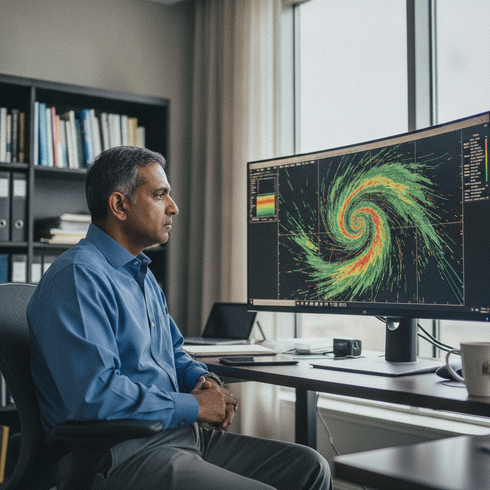
Forensic weather verification involves reconstructing past weather conditions using meteorological data, radar, satellite imagery, and established scientific methods. This type of analysis provides factual evidence about weather events linked to insurance claims, supporting property damage, personal injury, or business interruption cases. By detailing the weather scenario at specific times and locations, insurers and legal professionals rely on this evidence to assess claim validity.
How do forensic weather data and analysis support claim investigations?
Forensic weather analysis delivers objective findings that can clarify ambiguous circumstances in insurance cases. When claims involve hail, wind, or excessive rainfall, meteorological data helps establish the presence or absence of impactful events, guiding settlements. Forensic reconstruction uses data from sources such as the National Weather Service and private weather networks, ensuring a factual foundation supports every claim decision.
Why do legal professionals trust expert weather verification for litigation?
Legal professionals consistently seek expert weather verification due to its adherence to scientific standards and transparent methodologies. Reports generated through forensic reconstruction often meet evidentiary requirements in court. Admissibility depends on unbiased data analysis, accurate event correlation, and expert interpretation, increasing the credibility of both the evidence and the witness providing testimony.
Can forensic weather verification detect or prevent insurance fraud?
Forensic weather verification is a key tool in flagging inconsistencies and potential fraud. By comparing claimant reports with event-specific meteorological data, patterns inconsistent with documented weather can be revealed. According to a 2024 ABA case survey on weather data admissibility in insurance litigation, courts increasingly recognize forensic weather reports as pivotal evidence for fraud prevention and claim validation.
Customizable Weather Verification Services for Insurance Professionals
Effective weather verification services are designed for the diverse and evolving needs of legal and insurance professionals. These solutions leverage integrated systems and expert resources to streamline reporting, boost defensibility, and customize for industry requirements.
What are the key features of expert weather verification services?
Modern weather verification services center on reliability, accuracy, and the ability to address context-specific claim requirements. Key features include detailed event reconstruction, customizable reporting, seamless enterprise integration, and expert testimony support.
How are custom forensic reports created for specific insurance needs?
Customized forensic reports result from a thorough understanding of case-specific requirements and precise event data. The process involves collaboration with legal and insurance professionals to define report parameters, select relevant meteorological datasets, and construct clear, evidentiary narratives.

Customized Weather Reporting Options
Accurate, defensible reports can be adapted for diverse needs across legal, insurance, or catastrophe response contexts:
- Event-specific weather data
- Hail verification and wind analysis
- Catastrophe and disaster response documentation
- Unbiased expert meteorological testimony
These tailored reports ensure that every scenario is addressed with the level of detail and defensibility demanded by litigation and compliance.
How do modern forensic platforms, such as insurance claim weather report tools, integrate with enterprise claims systems?
Integration of forensic reporting with claim management platforms has redefined workflow efficiency. Tools such as Xactimate and Risk Management Solutions provide direct data imports, allowing for rapid case review and documentation alignment. According to a 2025 Gartner report on insurance claims platform interoperability, seamless integration with enterprise systems reduces manual data entry, decreases error rates, and expedites claims cycles.
Ensuring Defensibility and Reliability in Forensic Weather Report Results
Insurance claim resolutions depend on methods that ensure report reliability and legal defensibility. Expert-driven methodologies and adherence to professional standards secure evidence integrity and withstand scrutiny throughout negotiation, arbitration, or trial.
What standards ensure accuracy and defensibility in forensic weather reports?
Forensic weather reports rely on industry best practices and scientific protocols. Strict sourcing of data, transparent methodology, and clear explanations of findings form the backbone of a defensible report. Accreditation from organizations such as the American Meteorological Society and peer-reviewed casework further reinforce a report’s reliability and acceptance in courtrooms.
Who uses these services, and how do insurance and legal professionals benefit?
Insurance adjusters, attorneys handling complex claims, catastrophe response coordinators, and environmental compliance consultants all depend on forensic weather verification. These services provide objective clarity when disputes arise, arm legal counsel with credible expert evidence, and help insurers avoid unnecessary payouts for unfounded claims.
Advantages of Using Reliable, Defensible Weather Data
Expert consultation provides measurable benefits for insurers and attorneys seeking resolution in weather-related disputes. Key advantages include:
- Fast and accurate claim verification
- Comprehensive event notification and response capabilities
- Unbiased, court-ready documentation
- Dependable support for litigation and fraud detection
Each benefit helps streamline processes, reduce dispute durations, and contribute to fair, substantiated claim outcomes.
Conclusion
Accurate and defensible forensic weather verification is essential for fair and timely insurance claim resolutions, offering critical value to legal, insurance, and compliance professionals. Guidance from John Bryant and Weather & Climate Expert ensures every report meets the highest standards for litigation and claim support. Explore more with John Bryant.
Frequently Asked Questions
How does event-specific data enhance insurance claim verification?
Event-specific weather data provides detailed analysis directly linked to the date and location of an incident, making it easier to confirm the legitimacy of claims. This supports more defensible outcomes for both insurers and claimants.
What makes a forensic weather report “court-ready”?
A “court-ready” forensic weather report is crafted to meet evidentiary standards through unbiased methodology, expert interpretation, and clear presentation, making it admissible and persuasive in litigation.
Can forensic meteorology identify patterns in fraudulent claims?
Yes, forensic meteorology can reveal inconsistencies in claimant statements compared to confirmed weather events, helping insurers detect patterns of fraud and prevent unwarranted payouts.
Who typically requests forensic weather verification?
Insurance companies, attorneys handling claim disputes, claims adjusters, and environmental consultants are among those who request forensic weather verification for accurate, third-party analysis in disputed cases.
Are there industry-specific challenges in weather-related claims?
Yes, challenges often include verifying localized weather events, interpreting complex meteorological data, and ensuring reports withstand scrutiny during litigation and appeals.
Accurate weather verification enables credible insurance claim investigations, strengthens legal defensibility, and reduces risks associated with fraudulent claims. Forensic practices delivered by John Bryant bring a consistent standard of reliability and expert insight in every case.